
Can I Use Water from Dehumidifier in My Iron?
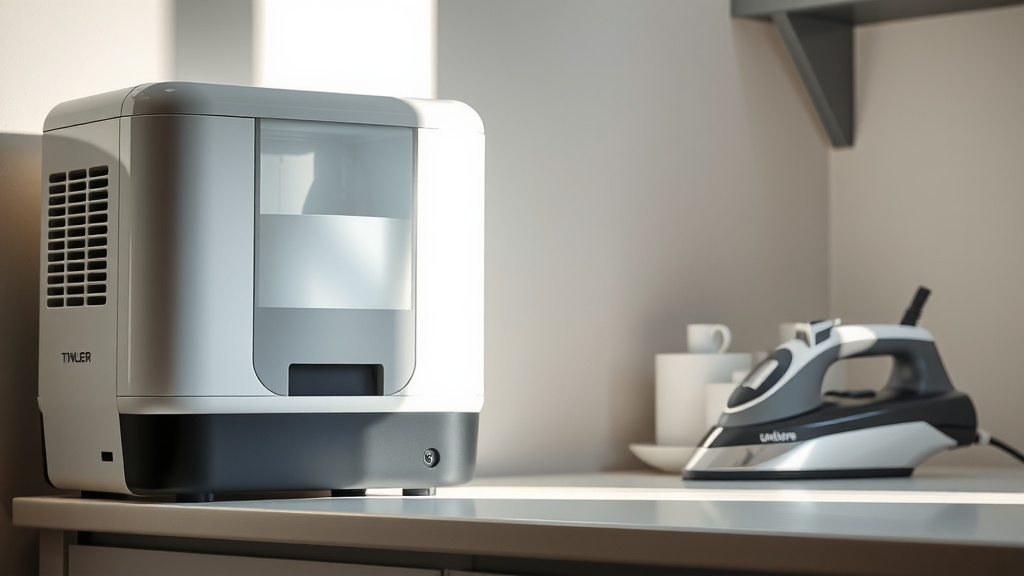
Using water from a dehumidifier in your iron is generally not recommended by appliance manufacturers. This water, while appearing clean, contains minerals and microscopic contaminants that can damage your iron over time.
While seemingly similar to distilled water, dehumidifier water is not pure and can lead to mineral buildup and clogs inside your delicate ironing appliance.
- TL;DR: Dehumidifier water is not pure distilled water.
- TL;DR: It collects airborne particles and minerals, making it unsuitable for irons.
- TL;DR: Using it risks damaging your iron with limescale and clogs.
- TL;DR: Stick to proper distilled water for safe and efficient ironing.
- TL;DR: There are other safe uses for dehumidifier water, but not for sensitive appliances.
You’ve just collected a bucket of water from your dehumidifier. It looks so clear, doesn’t it? Perhaps you’re thinking, “This is practically distilled water! Can I use water from dehumidifier in my iron?” It’s a common question, and one we hear often. While it might seem like a clever hack, there’s a bit more to it than meets the eye.
Can I Use Water from Dehumidifier in My Iron?
No, it’s generally best to avoid using dehumidifier water in your iron. While it’s tempting, it poses risks to your appliance.
We understand why you might think this water is perfect. After all, it’s pulled moisture right out of the air, much like how distilled water is made by condensing steam. But there’s a key difference between what your dehumidifier produces and what you buy as distilled water.
Understanding Dehumidifier Water: Is It Pure?
When your dehumidifier pulls moisture from the air, it’s essentially condensing humidity. This process creates liquid water. However, this water isn’t as pure as you might imagine. It collects a lot of tiny things along the way.
Think of your dehumidifier like a filter. It’s collecting water, but it’s also catching whatever tiny particles are floating around in your home’s air. Dust, pollen, mold spores, and even microscopic traces of chemicals can end up in that water. So, while it looks clean, it’s a bit of a mixed bag.
The Invisible Truth: What’s Really in That Water?
Even if you can’t see them, dehumidifier water often contains dissolved minerals. The air itself holds these tiny particles. As the moisture condenses, these impurities get carried along into your dehumidifier’s collection bucket. Research often connects these elements to hard water issues (Appliance manufacturers).
Beyond minerals, there’s a chance of bacteria or mold spores too, especially if your dehumidifier isn’t cleaned regularly. These tiny guests certainly aren’t what you want steaming out of your iron onto your favorite shirt. You want your clothing to look its best, not get mysterious new spots.
Why Your Iron Doesn’t Love Dehumidifier Water
Your iron is a delicate piece of machinery, especially its steaming mechanism. It relies on clean water to function correctly and prolong its lifespan. Introducing impurities can cause a whole host of problems.
Consider the inner workings of your iron. It has tiny channels and heating elements. These parts are designed for specific water types, usually distilled or demineralized water. Any deviation can lead to unexpected issues. You wouldn’t put diesel in a petrol car, right?
Scale Buildup: Your Iron’s Silent Killer
The minerals in dehumidifier water are the main culprits here. When this water heats up in your iron, these minerals don’t just disappear. They precipitate out and form limescale, a crusty white or brownish deposit. This is the same stuff you see in your kettle.
Limescale buildup can clog the steam vents, making your iron less effective. It also coats the heating element, forcing your iron to work harder. Over time, this drastically reduces your iron’s efficiency and can even lead to its premature demise. Many experts say this is a common reason for iron failure.
Clogging and Stains: A Steamy Nightmare
Beyond scale, those other tiny particles we discussed earlier can also cause trouble. They might clog the fine holes in your iron’s soleplate. This means uneven steam or no steam at all, which is frustrating when you’re trying to get those wrinkles out.
Imagine tiny flecks of dust or mold residue spitting out onto your clean laundry. Not a pretty picture, is it? These contaminants can leave unsightly stains, undoing all your hard ironing work. You deserve perfectly clean clothes without the added stress of spotting.
The “Distilled” Misconception: A Key Difference
It’s easy to confuse dehumidifier water with distilled water. Both are forms of condensed water. However, the key difference lies in the *purity* of the source and the process. Distilled water goes through a controlled, multi-stage purification process designed to remove nearly all impurities.
Dehumidifiers, on the other hand, are designed for moisture removal, not water purification. They simply condense what’s in the air. The water they collect isn’t filtered or treated to remove dissolved solids or biological contaminants. It’s like comparing rainwater collected in a bucket to bottled spring water.
How Dehumidifiers Work: A Quick Overview
Your dehumidifier operates much like a refrigerator. It draws in warm, moist air over a cold coil. The moisture in the air condenses into liquid water droplets. These droplets then fall into a collection bucket. This simple process is very effective at removing humidity, but it doesn’t involve purification.
Recommended Water for Your Iron: Play It Safe
So, if dehumidifier water is out, what should you use? The answer is straightforward for most modern irons. Always check your iron’s instruction manual first. That’s your best guide!
Most manufacturers will recommend using either distilled water or, in some cases, a 50/50 mix of distilled water and tap water. Some irons are designed to handle tap water, especially if you live in an area with soft water. But if you have hard water, pure distilled is often your best bet.
Why Distilled Water is Your Iron’s Best Friend
Distilled water has had almost all its minerals and impurities removed. This means no limescale buildup, no clogged vents, and no mysterious stains on your clothes. It ensures your iron runs smoothly and efficiently for years to come. It’s a small expense for a much longer-lasting appliance.
| Water Type | Purity Level | Safe for Iron? | Risks to Iron |
|---|---|---|---|
| Dehumidifier Water | Low (contains minerals, contaminants) | No | Limescale, clogs, stains |
| Distilled Water | High (impurities removed) | Yes | Virtually none |
| Tap Water (Soft) | Medium (fewer minerals) | Sometimes (check manual) | Minor scale over time |
| Tap Water (Hard) | Low (high mineral content) | No | Heavy limescale, severe clogs |
Alternative Uses for Dehumidifier Water (But Not for Irons!)
Just because you shouldn’t use it in your iron doesn’t mean dehumidifier water is useless! It’s still water, and it can be repurposed for less sensitive tasks around your home. Think of it as gray water with some limitations.
For example, it’s often fine for watering outdoor plants. It can also be used for certain cleaning tasks where spotless, streak-free results aren’t crucial. Just remember its true nature: it’s not purified, sterile water. Always use your best judgment.
Watering Plants: A Green Light?
Many people safely use dehumidifier water for watering their indoor and outdoor plants. The trace minerals might even be beneficial for some plants, though others prefer specific pH levels. If you’re unsure, try it on a less delicate plant first. Research suggests many common houseplants tolerate this water well.
Cleaning Chores: A Helping Hand
Dehumidifier water can be quite useful for general cleaning. You can use it to wash floors, clean non-food surfaces, or even rinse out your trash cans. It’s perfectly fine for flushing toilets or filling your car’s windshield wiper fluid reservoir. Just be mindful not to use it for anything that goes into your body or on sensitive surfaces that might stain.
Here’s a quick checklist before using dehumidifier water for other purposes:
- Is the task sensitive to minerals or bacteria? If yes, don’t use it.
- Will it touch food or be consumed by people/pets? Absolutely not.
- Will it go into an appliance with heating elements or fine nozzles? Avoid it.
- Is it for general cleaning or watering robust plants? Then it’s probably fine.
- Is your dehumidifier clean? A dirty unit means dirtier water.
Making an Informed Choice: Protecting Your Appliances
Ultimately, the decision is yours, but we hope this guidance helps you make an informed choice. Protecting your appliances from unnecessary damage is always a smart move. A small savings on water isn’t worth replacing an expensive iron or enduring frustrating performance issues.
Your iron works hard to keep your clothes looking crisp. Give it the clean, clear water it deserves. It’s a simple step that can save you headaches and money in the long run. After all, isn’t peace of mind just as valuable as a perfectly pressed shirt?
Conclusion
While the clear appearance of dehumidifier water might be deceiving, it is not the same as distilled water and contains impurities that can harm your iron. To ensure your iron functions optimally and lasts longer, it’s always best to use distilled water or follow your manufacturer’s specific recommendations. Save that dehumidifier water for less sensitive tasks, like general cleaning or watering plants, and keep your iron happy and scale-free.
Can dehumidifier water be used for drinking?
No, dehumidifier water is absolutely not safe for drinking. It collects airborne contaminants, dust, mold spores, and minerals directly from the air, and it is not purified or sterilized. Consuming it could expose you to harmful bacteria and pollutants.
How can I tell if my tap water is suitable for my iron?
Check your iron’s manual first, as some modern irons can handle tap water. If you live in an area with hard water (high mineral content, often indicated by limescale buildup in kettles), it’s generally safer to use distilled water to prevent scale accumulation in your iron.
What are the signs that my iron has limescale buildup?
Common signs include a reduced amount of steam, steam holes becoming clogged, white or brownish flakes coming out with the steam, and the iron taking longer to heat up. These are all indicators that mineral deposits are affecting its performance.
Is there any way to purify dehumidifier water for iron use?
While you could theoretically try to filter or boil dehumidifier water, it’s generally not effective enough to remove all dissolved minerals for iron use, nor is it cost-efficient. The effort and uncertain results make it impractical compared to simply buying inexpensive distilled water.
How should I clean my dehumidifier to keep the water cleaner for other uses?
Regularly clean your dehumidifier’s water bucket, air filter, and coils to minimize contaminants in the collected water. Follow the manufacturer’s instructions, typically involving washing the bucket with soap and water and cleaning or replacing the filter. A cleaner unit produces cleaner non-potable water.
