
Can Plants Act as Dehumidifiers?
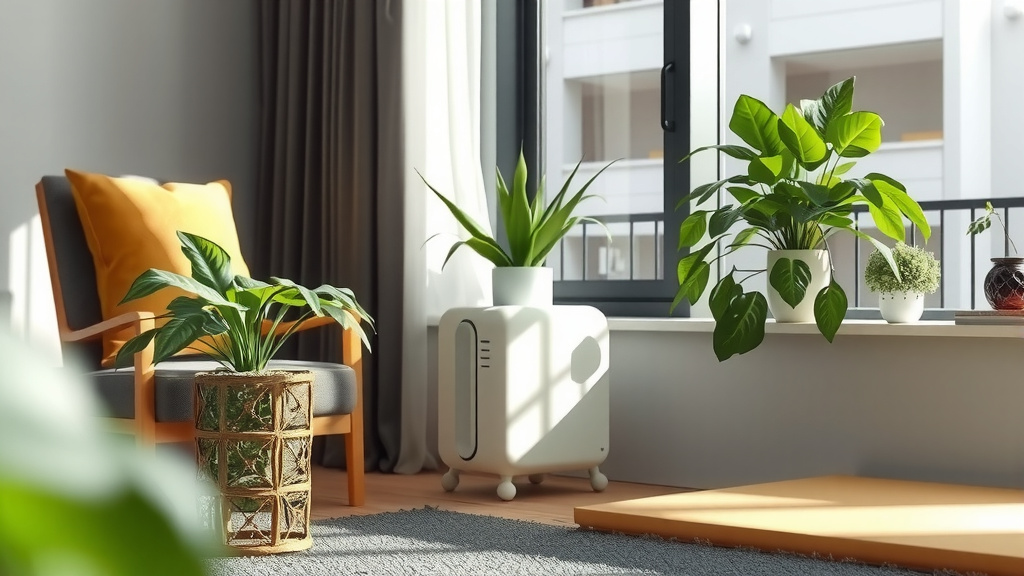
No, plants generally do not act as effective dehumidifiers for your home; they actually release moisture into the air through a process called transpiration.
While some plants absorb tiny amounts of ambient moisture, their overall contribution to reducing indoor humidity is negligible compared to the water vapor they release.
- Plants typically add moisture to your indoor air, they don’t remove it.
- The process of transpiration means plants release water vapor, which can increase humidity levels.
- You shouldn’t rely on plants to control significant humidity problems in your home.
- Effective humidity control requires proper ventilation, smart habits, or a dedicated dehumidifier.
Can Plants Act as Dehumidifiers?
It’s a common question, and one many people wonder about for their homes. Simply put, plants are not effective dehumidifiers for your living spaces.
Despite popular belief, your leafy friends actually contribute to the moisture in your air, rather than pulling it out.
Understanding Humidity and Your Home
Your home’s humidity levels play a big role in comfort and air quality. Too much moisture can feel sticky and promote mold growth.
Optimal indoor humidity typically sits between 30% and 50% for health and comfort (Mayo Clinic).
The Role of Transpiration
Plants “breathe” too, just in a different way. This process is called transpiration, and it’s how they release water vapor.
Roots absorb water, and then it travels up the plant to eventually evaporate from tiny pores in the leaves. Think of it like a plant sweating.
Do Plants Actually Dehumidify?
No, plants do not dehumidify. We found that most common houseplants contribute to, or at least maintain, the existing humidity levels.
They are not moisture-absorbing machines for your room. Instead, they are part of the natural water cycle.
The Reality of Plant Power
While some studies mention plants absorbing very small amounts of moisture through their leaves, the amount is tiny. It’s not enough to make a noticeable difference in a typical room.
The water lost through transpiration far outweighs any potential moisture absorption.
When Plants Might Help (A Little Bit)
In extremely arid environments, a houseplant might slightly increase comfort by adding some moisture. This is a very specific situation, not typical for humid homes.
For most homes, especially those struggling with excess moisture, plants are not the solution.
Some plants are often considered “thirsty” and might add less overall moisture to the air because they consume more water internally. However, they are still not dehumidifiers.
- Peace Lily
- Spider Plant
- Boston Fern
- English Ivy
- Areca Palm
Plants That Are Better for Dry Air
Some plants are known to release more moisture than others, making them less ideal for humid spaces. On the other hand, certain plants might be better choices if your goal is to avoid adding excess humidity.
It’s about balancing your indoor environment. Consider these differences:
| Plant Type | Typical Humidity Impact | Consideration for Your Home |
|---|---|---|
| Ferns (e.g., Boston Fern) | High moisture release | Best for dry environments, can increase humidity |
| Areca Palm | High moisture release | Beautiful, but a significant transpirer of water |
| Peace Lily | Moderate moisture release | Often used for visual appeal, but still adds water |
| Cacti & Succulents | Very low moisture release | Ideal if you want to minimize added humidity |
| Snake Plant (Sansevieria) | Low moisture release | A great choice for minimal humidity impact |
The Limited Impact on Overall Humidity
Imagine trying to dry a swimming pool with a single napkin. That’s a bit like expecting a few plants to dehumidify your home.
The scale of the problem often far exceeds the plants’ capacity to influence it. Your home’s air volume is simply too large for plants to make a difference.
Practical Solutions for High Humidity
If you’re dealing with excessive humidity, you need active solutions. Don’t rely on your plant collection to solve the problem.
Fortunately, many effective and practical ways exist to manage indoor moisture.
The Power of Dehumidifiers
A dedicated dehumidifier is designed precisely for this task. It actively removes moisture from the air, collecting it in a reservoir.
These appliances are efficient and can significantly reduce humidity to comfortable and healthy levels (EPA).
Ventilation is Key
Proper ventilation helps exchange moist indoor air with drier outdoor air. Use exhaust fans in bathrooms and kitchens during and after use.
Opening windows on dry days can also help refresh your indoor air. We found that cross-ventilation is a simple, effective method.
Smart Home Habits
Small changes in your daily routine can make a big impact. Take shorter, cooler showers to produce less steam.
Dry your laundry outdoors if possible, or use a dryer with external venting. Avoid air-drying clothes indoors, especially in already humid spaces.
Signs Your Home Needs Dehumidification
Not sure if your home has a humidity problem? Look for these common indicators:
- Musty odors in certain rooms or closets.
- Condensation on windows, especially in the mornings.
- Peeling paint or wallpaper.
- Warped wooden floors or furniture.
- Visible mold or mildew growth on walls, ceilings, or fabrics.
- A generally sticky or clammy feeling in the air.
Conclusion
While plants add beauty and a touch of nature to your home, they are not effective dehumidifiers. In fact, they contribute to the moisture content in your air through transpiration.
For managing indoor humidity, focus on proven methods like using a dehumidifier, ensuring good ventilation, and adopting smart home habits. Your plants will still thrive, and your home will feel much more comfortable.
Do some plants release more moisture than others?
Yes, plants vary in their transpiration rates. Larger plants with more leaf surface area, and those that require a lot of watering, generally release more moisture into the air. Ferns and certain palms are examples of plants that tend to add more humidity.
Can too many plants increase indoor humidity?
Absolutely. If you have a large collection of plants in a small or poorly ventilated space, their combined transpiration can noticeably increase the indoor humidity levels. This is especially true if you water them frequently.
What is the ideal indoor humidity level for health?
Most experts recommend maintaining indoor humidity levels between 30% and 50%. This range helps prevent mold growth, dust mites, and discomfort, promoting a healthier indoor environment (American Lung Association).
Are there any natural ways to lower humidity besides plants?
Yes! Good ventilation is a primary natural method. Open windows and doors when the outdoor air is drier. Use exhaust fans in kitchens and bathrooms. Baking soda or rock salt can also absorb small amounts of moisture in very confined spaces, but their effect is minimal for entire rooms.
How do I choose the right dehumidifier for my space?
When selecting a dehumidifier, consider the size of the area you need to dehumidify and the current humidity level. Dehumidifiers are rated by their moisture removal capacity (pints per day). A larger space or higher humidity will require a unit with a higher capacity. Look for features like a humidistat, automatic shut-off, and energy efficiency ratings.
