
Can You Attach a Dehumidifier to Your Furnace?
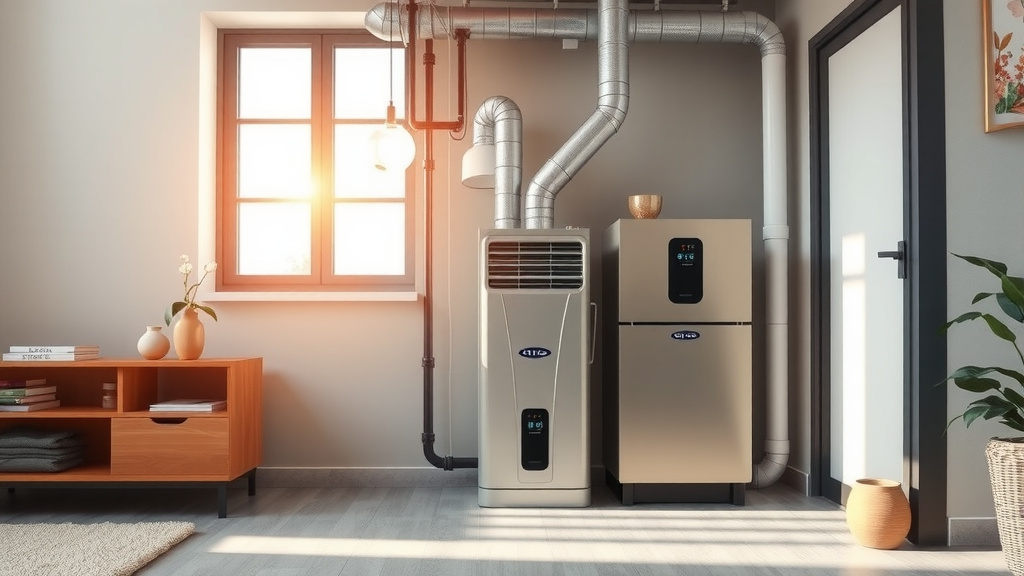
Yes, you absolutely can attach a dehumidifier to your furnace system, often through a whole-home dehumidifier unit.
Integrating a dehumidifier this way allows for efficient and uniform moisture control throughout your entire home.
Here’s a quick summary of what you’ll find:
- Whole-home dehumidifiers connect directly to your existing HVAC ductwork.
- This setup provides consistent and widespread humidity control, unlike portable units.
- It enhances home comfort, improves air quality, and protects against moisture damage.
- Professional installation is crucial for optimal performance and system compatibility.
- Portable dehumidifiers typically operate independently and are not integrated with furnaces.
Can You Attach a Dehumidifier to Your Furnace?
You might be wondering if you can really hook up a dehumidifier to your home’s central heating and cooling system. The straightforward answer is yes, you can. This is typically done with a whole-home dehumidifier, a specialized unit designed to work with your furnace or air conditioner.
Instead of a standalone portable unit, a whole-home dehumidifier integrates directly into your existing HVAC ductwork. This means it can effectively manage humidity levels throughout your entire living space, not just one room. It’s like having a silent partner working with your furnace.
Why Connect a Dehumidifier to Your Furnace?
Connecting a dehumidifier to your furnace offers several compelling advantages for your home and health. You’re not just dealing with mugginess; you’re creating a better living environment. Think of it as investing in your home’s overall well-being.
Enhanced Comfort Levels
High humidity makes warm air feel even hotter and clammy. By reducing excess moisture, your home feels cooler and more comfortable at the same temperature. You might even find yourself turning down the AC, potentially saving on energy bills.
Improved Indoor Air Quality
Excess moisture can be a breeding ground for mold, mildew, and dust mites. These common allergens can trigger respiratory issues and asthma attacks (EPA). A dehumidifier helps keep these nuisances at bay, leading to cleaner, healthier air for you and your family.
Protecting Your Home and Belongings
Beyond comfort, high humidity can damage your home’s structure, including wooden floors, furniture, and electronics. It can warp materials and cause musty odors. A properly integrated dehumidifier acts as a protective shield, preserving your home’s integrity.
Understanding Whole-Home vs. Portable Dehumidifiers
Before diving deeper, it’s helpful to distinguish between the two main types. You have options, and choosing the right one depends on your needs. Each type serves a different purpose.
Whole-Home Dehumidifiers: The Integrated Solution
These units are designed for integration with your HVAC system. They pull air directly from your return ducts, remove moisture, and then send the drier air back into your home through the supply ducts. They offer a seamless and efficient experience.
Portable Dehumidifiers: Standalone Flexibility
Portable units are great for specific areas, like a damp basement or a single humid room. They are not connected to your furnace and require you to empty a water reservoir regularly. They offer flexibility but not whole-house coverage.
How a Whole-Home Dehumidifier Integrates
So, how does this connection actually work? It’s more straightforward than you might think, but it involves several components working together. Your HVAC system provides the perfect conduit for humidity control.
The dehumidifier typically has its own fan, or it can use your furnace’s fan. It pulls moist air from your home, passes it over a cooling coil to condense the water vapor, and then drains the collected water. The drier air is then recirculated throughout your home via the existing ductwork.
Many units can be controlled by a dedicated humidistat or integrated with your existing thermostat. This allows you to set your desired humidity level, and the system takes care of the rest. It’s a truly set-it-and-forget-it solution.
The Benefits of Integrated Dehumidification
Choosing to attach a dehumidifier to your furnace brings a host of advantages that improve your daily life. You’ll likely notice a significant difference in your home’s atmosphere. We found that users often report a marked improvement.
- Consistent Humidity Control: Provides uniform dryness throughout your entire house, avoiding overly dry or still damp areas.
- Energy Efficiency: By making your home feel cooler, you may run your air conditioner less, potentially reducing energy costs.
- Quieter Operation: The unit is often located in a utility closet or basement, making it much quieter than a portable unit in your living space.
- Less Maintenance: No daily emptying of water buckets; water drains automatically.
- Out-of-Sight Solution: It doesn’t take up floor space like a portable unit, maintaining your home’s aesthetic.
Potential Downsides and Important Considerations
While the benefits are significant, it’s important to consider all aspects. Every major home improvement comes with its own set of factors. You need to weigh the pros and cons to decide what’s best for you.
Initial Installation Cost
Whole-home dehumidifiers involve a higher upfront cost for the unit and professional installation compared to buying a portable model. This is an investment, similar to any major appliance upgrade.
Professional Installation is Key
Connecting a dehumidifier to your furnace is not a DIY project for most homeowners. It requires expertise in HVAC, electrical, and plumbing systems. Hiring a certified technician ensures correct setup and optimal performance (ASHRAE guidelines).
Ductwork Compatibility and Space
Your existing ductwork needs to be suitable for integration, and you’ll need adequate space near your furnace for the unit. A professional assessment can determine if your home is a good candidate.
When Should You Consider an Integrated Dehumidifier?
Is this solution right for your home? You might be a good candidate if you experience certain issues. Many experts say that recognizing these signs is the first step toward a more comfortable home.
- You live in a region with consistently high humidity levels.
- You notice condensation on windows or cold surfaces regularly.
- Your home has a persistent musty odor, especially in basements or crawl spaces.
- You or family members suffer from allergies or asthma exacerbated by mold or dust mites.
- Your air conditioner struggles to keep your home comfortable, feeling clammy even when cool.
Whole-Home vs. Portable Dehumidifiers: A Comparison
To help you decide, let’s look at the key differences in a simple table. This gives you a clear snapshot of what each option offers. You can easily compare features to see what fits your lifestyle and budget.
| Feature | Whole-Home Dehumidifier | Portable Dehumidifier |
|---|---|---|
| Coverage | Entire house, uniform humidity | Single room or zone |
| Installation | Professional HVAC integration | Plug-and-play, no installation |
| Water Drainage | Automatic, often to floor drain | Manual bucket emptying (or hose) |
| Noise Level | Very quiet, located out of living space | Noticeable fan noise in the room |
| Cost | Higher initial investment for unit and install | Lower upfront cost, less efficient for whole house |
Keeping Your Integrated System Running Smoothly
Just like your furnace or AC, your whole-home dehumidifier needs a little attention to keep it working efficiently. Regular maintenance ensures its longevity and effectiveness. You want your investment to perform at its best.
You should check and clean the air filter periodically, usually every few months. Many systems have a washable filter, making this task simple. Also, ensure the drain line remains clear of blockages so water can flow freely (Mayo Clinic). An annual professional check-up from your HVAC technician is also a wise idea to inspect all components.
Conclusion
Attaching a dehumidifier to your furnace is not only possible but often a superior solution for managing humidity in your home. By opting for a whole-home dehumidifier, you gain consistent, efficient, and discreet moisture control throughout your entire living space. This integration leads to a more comfortable environment, improved air quality, and protection for your home’s structure and belongings.
While the initial investment and professional installation are key considerations, the long-term benefits of enhanced comfort and peace of mind are often well worth it. If you’re struggling with high indoor humidity, connecting a dehumidifier to your furnace is a practical, effective, and lasting solution for a healthier, happier home.
How much does it cost to install a whole-home dehumidifier?
The cost varies widely based on the unit’s capacity, your home’s existing ductwork, and regional labor rates. We found that the total expense typically ranges from a few thousand dollars, including both the equipment and professional installation. It’s best to get a few quotes from local HVAC professionals.
Can a dehumidifier attached to a furnace remove odors?
Yes, indirectly. Many musty odors are caused by excessive moisture, which allows mold and mildew to thrive. By removing this excess humidity, a whole-home dehumidifier eliminates the environment where these odor-causing agents flourish, helping to neutralize unpleasant smells in your home.
Will an integrated dehumidifier affect my furnace’s efficiency?
No, an integrated dehumidifier is designed to work in conjunction with your furnace without negatively impacting its efficiency. In fact, by reducing humidity, it can make your home feel cooler, allowing you to set your air conditioner thermostat higher, which can actually save energy.
What is the ideal humidity level for a home?
Most experts, including the EPA, recommend maintaining indoor humidity levels between 30% and 50%. This range is comfortable for most people, discourages the growth of mold and dust mites, and helps protect your home’s structure and contents.
Can I use a portable dehumidifier instead of an integrated one?
You can, but it depends on your needs. A portable dehumidifier is suitable for targeting specific damp areas, like a basement or a single room. However, it won’t provide the consistent, whole-house humidity control that an integrated unit connected to your furnace offers. You’ll also need to manage the water collection manually with a portable unit.
