
Can You Drain a Dehumidifier into a French Drain?
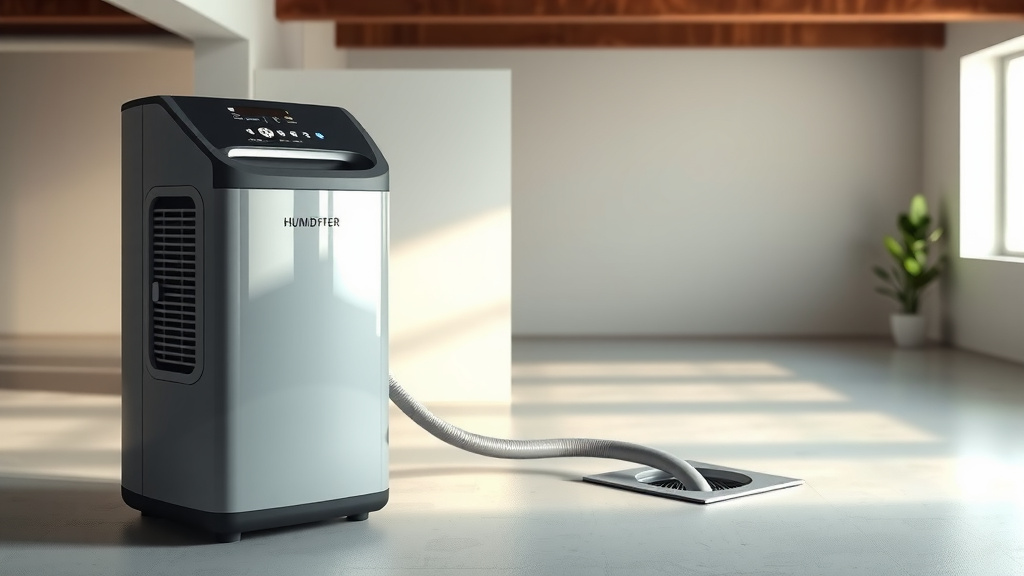
Yes, you can often drain a dehumidifier into a French drain, but you need to consider a few important factors first. It’s generally a practical solution for continuous drainage, assuming your French drain system is well-maintained and properly designed to handle the extra water without causing issues.
To successfully drain your dehumidifier this way, ensure the French drain can handle the added flow and that the connection is secure and free from debris. Planning this carefully helps prevent potential moisture problems or damage to your home’s foundation.
Here’s a quick overview of what you’ll find in this guide:
- Discover if draining into a French drain is right for your home.
- Learn about potential risks and how to avoid them.
- Get practical tips for setting up a safe and efficient drainage system.
- Understand the importance of proper maintenance.
Can You Drain a Dehumidifier into a French Drain?
Yes, absolutely. Draining a dehumidifier directly into a French drain is often a smart and practical solution for managing moisture. Many homeowners find this method highly effective for continuous operation.
Understanding Your French Drain
A French drain is a trench containing a perforated pipe, covered with gravel, that redirects surface and groundwater away from an area. It’s designed to manage water flow, usually protecting your home’s foundation from excess moisture. You might wonder, how does this fit with my dehumidifier?
How Dehumidifiers Work
Dehumidifiers pull moisture from the air, collecting it in a reservoir or draining it through a hose. This process helps control humidity, preventing mold and mildew growth. Connecting it to a French drain eliminates the need for manual emptying, which is a big convenience.
The Benefits of Draining into a French Drain
Choosing this method offers several advantages for you. You’ll experience continuous operation without interruptions, saving you time and effort.
Continuous Operation and Convenience
Imagine never having to empty that heavy water bucket again! Connecting your dehumidifier means it runs non-stop, keeping your space dry. This convenience is a major plus, especially in humid climates (EPA guidance).
Reduced Risk of Overflows
With a direct drain, the risk of the collection bucket overflowing is virtually eliminated. This protects your floors and carpets from accidental spills, saving you cleanup time. It gives you real peace of mind.
Potential Concerns and What to Watch For
While convenient, there are a few things to consider before you make this connection. Ensuring compatibility and preventing blockages are key steps.
Is Your French Drain Up to the Task?
Your French drain needs to handle the extra water your dehumidifier produces. A typical home dehumidifier can remove several gallons daily. Many experts suggest checking its capacity first (Home Depot Pro advice).
Here’s a quick look at typical water output:
| Dehumidifier Capacity | Daily Water Output (Pints) | Approximate Gallons |
|---|---|---|
| Small (30-pint) | Up to 30 | 3.75 gallons |
| Medium (50-pint) | Up to 50 | 6.25 gallons |
| Large (70-pint) | Up to 70 | 8.75 gallons |
Preventing Clogs and Backups
Connecting your dehumidifier might introduce lint or dust into the French drain. This debris could potentially cause blockages over time. Regular maintenance and proper filtering are crucial here.
Making the Connection: A Step-by-Step Guide
Ready to connect your dehumidifier? It’s often simpler than you think, but preparation is key. Here’s a brief guide to help you out.
Choosing the Right Hose
You’ll need a garden hose or a specialized dehumidifier drain hose. Ensure it’s long enough to reach your French drain without kinks. A durable, UV-resistant hose is a great choice for outdoor use.
Securing the Connection
Attach the hose firmly to your dehumidifier’s drain port. Most units have a threaded connection for this purpose. We found that using a hose clamp can help prevent leaks at the connection point (Consumer Reports).
Routing the Hose to the French Drain
Guide the hose downhill, avoiding sharp bends that could restrict water flow. You might need to bury the hose if it runs across a pathway. This protects it from damage and keeps your yard tidy.
Maintaining Your System for Long-Term Success
Even after setup, some simple checks will keep your system running smoothly. Regular attention prevents future headaches and ensures efficiency.
Regular Hose Checks
Periodically inspect the hose for kinks, cracks, or blockages. Leaves or dirt can sometimes enter the open end. A quick visual check goes a long way.
Cleaning Your Dehumidifier
Keep your dehumidifier clean, especially the air filter. A clean filter means less debris entering your drainage system. Many manufacturers recommend cleaning it monthly (GE Appliances).
French Drain Inspection
Every so often, check the entry point of the French drain where the hose connects. Ensure it’s clear of debris and that water is flowing freely. If you notice slow drainage, a professional might need to inspect the drain.
Key Considerations Before You Connect
Before you dive in, let’s quickly review some vital points. Thinking through these details now can save you trouble later.
- Drainage Capacity: Can your French drain handle the additional water volume?
- Hose Quality: Is your hose durable and long enough, without kinks?
- Proper Slope: Does the hose have a continuous downward slope for gravity drainage?
- Pest Protection: Is the French drain opening protected from small animals or debris?
- Winterization: Will you disconnect and drain the hose in freezing weather?
- Local Codes: Are there any local regulations about water discharge? (Many experts advise checking this)
Alternatives to French Drains
What if a French drain isn’t an option for you? Don’t worry, you have other choices for continuous dehumidifier drainage.
Sump Pumps
If your dehumidifier is in a basement below grade, a sump pump is an excellent alternative. It collects water and pumps it out of your home. This is often seen as a very reliable solution for basements.
Utility Sinks or Floor Drains
Connecting to a utility sink or a floor drain is straightforward if you have one nearby. This method is usually simple to set up and very effective. Ensure the drain can handle the flow easily.
Conclusion
Draining a dehumidifier into a French drain is a highly practical and often ideal solution for continuous moisture control. You gain immense convenience, reduced risk of spills, and a generally low-maintenance system. However, success truly depends on careful planning, ensuring your French drain has the capacity, and maintaining the system regularly. By following these practical tips, you can enjoy a drier, healthier home without the constant chore of emptying a water bucket. It’s all about making your home work smarter for you!
Can a dehumidifier hose run uphill?
No, a standard dehumidifier drain hose relies on gravity, so it cannot run uphill. For uphill drainage, you would need to connect your dehumidifier to an external condensate pump or a model with a built-in pump.
How far can a dehumidifier drain hose go?
The practical limit for a dehumidifier drain hose depends on the slope and pump (if any). For gravity drainage, you want the shortest possible run with a constant downhill slope. If using a pump, it can typically push water 15-20 feet horizontally and 5-10 feet vertically.
Does a French drain need a filter sock?
Yes, many experts recommend using a filter sock over the perforated pipe in a French drain. This helps prevent sediment and fine soil particles from entering and clogging the pipe over time, which maintains its effectiveness. It’s a small investment for long-term function.
Can dehumidifier water be used for plants?
Generally, dehumidifier water is distilled and safe for most plants, as it lacks the chlorine and minerals found in tap water. However, it can sometimes contain trace amounts of metals or bacteria from the dehumidifier’s internal components, so some people prefer not to use it on edible plants.
What is the ideal humidity level for a home?
The ideal indoor humidity level for comfort and health is typically between 40% and 50%. This range helps prevent mold growth, dust mites, and static electricity, contributing to a healthier living environment (Mayo Clinic).
