
Can You Drink from a Dehumidifier?
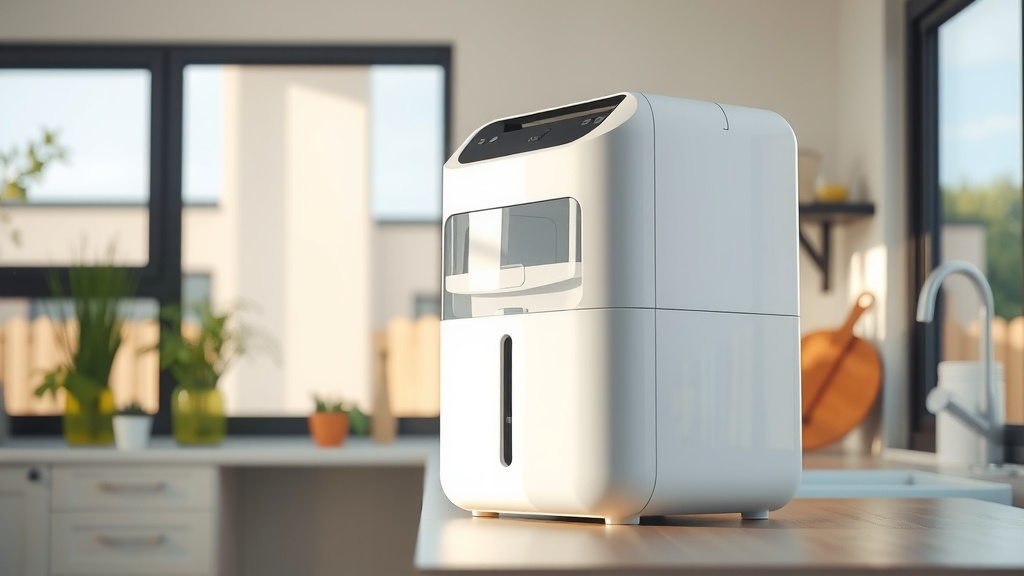
No, you absolutely should not drink water collected from a dehumidifier.
This water is not safe for human consumption as it contains contaminants and lacks essential minerals.
Here’s a quick summary if you are in a rush:
- Dehumidifier water is not potable and unsafe to drink.
- It contains bacteria, mold spores, dust, and possibly heavy metals.
- Boiling this water does not remove chemicals or heavy metal contamination.
- Use it for non-potable purposes only, like watering non-edible plants or flushing toilets.
- Prioritize your health by always choosing purified or tap water for drinking.
Have you ever wondered about that bucket of water your dehumidifier collects? It might look crystal clear, almost inviting, but don’t be fooled. We’re here to explain exactly why this seemingly pure liquid is a definite no-go for drinking.
Can You Drink from a Dehumidifier?
The straightforward answer is a firm no. You should never drink water collected from a dehumidifier. This water is not designed for consumption and can pose serious health risks.
Why Dehumidifier Water is Unsafe
Dehumidifier water, often called “condensate,” is far from clean. It’s essentially airborne moisture that has condensed. Imagine all the microscopic things floating in your air; they all end up in that water.
It’s Full of Airborne Particles
Think about what’s in the air around you. Your dehumidifier pulls in all sorts of tiny particles. This includes dust, pollen, pet dander, and even microscopic lint. All these contaminants settle directly into the collected water.
Mold and Bacteria Growth
The internal parts of a dehumidifier are often damp and warm. This creates an ideal breeding ground for mold and bacteria. These microorganisms can grow rapidly inside the collection bucket. Many experts warn against consuming untreated water due to pathogen risk (CDC).
Heavy Metals and Chemicals
Over time, internal components of your dehumidifier can degrade. This means that heavy metals or other chemicals might leach into the water. These substances are harmful if ingested and can build up in your body.
Understanding How Dehumidifiers Work
To really grasp why this water is unsafe, let’s briefly look at how a dehumidifier operates. It pulls in humid air from your room. The air passes over cold coils, similar to a refrigerator. The moisture in the air then condenses into liquid form.
- Air is drawn into the unit by a fan.
- Moisture condenses on cold coils, like dew on a cold glass.
- Water drips into a collection bucket or flows through a drain.
- Dryer, treated air is then released back into the room.
This process means everything airborne is captured. It’s not a filtering system for drinking water. It’s simply extracting moisture.
The Illusion of Purity: Why It Looks Clean
It’s easy to be deceived because the water often looks clear. This clarity gives a false sense of purity. However, many harmful contaminants are invisible to the naked eye. This includes bacteria, mold spores, and dissolved chemicals.
Is Boiling Dehumidifier Water Enough?
You might think boiling the water would solve the problem. While boiling does kill most bacteria and viruses, it doesn’t remove everything. It cannot get rid of heavy metals or other chemical contaminants. Boiling helps with biological contaminants, but does not purify water from chemical pollutants (CDC).
What About Filtering?
Standard home water filters are designed for tap water issues. They are not effective at removing the specific range of contaminants found in dehumidifier water. You would need a specialized, multi-stage purification system, which is overkill and impractical. It’s better to just use safe drinking water.
What Can You Use Dehumidifier Water For?
While unsafe for drinking, this water isn’t entirely useless. There are several practical and safe alternative uses for it. Think of it as “greywater” – suitable for non-consumption purposes around your home.
Safe Uses for Dehumidifier Water
- Watering non-edible plants, like ornamental flowers.
- Flushing toilets, which can save on your water bill.
- Cleaning floors or other non-food contact surfaces.
- Washing your car (check car manufacturer guidelines first).
- Filling a clothes iron (distilled water is often recommended).
Why Not Just Use Tap Water?
Access to safe drinking water is thankfully widespread for many of us. Your tap water undergoes strict treatment and testing. Bottled water also meets specific safety standards. There’s simply no reason to risk your health with dehumidifier water. It’s a matter of **health and safety first**.
A Quick Comparison: Dehumidifier Water vs. Drinking Water
Let’s put it simply side-by-side. This table highlights the significant differences. It will help you see why one is safe and the other is not.
| Feature | Dehumidifier Water | Safe Drinking Water |
|---|---|---|
| Source | Airborne condensation, room air contaminants | Treated municipal supply or bottled source |
| Purity | Contains dust, mold, bacteria, metals, chemicals | Filtered, disinfected, tested for contaminants |
| Minerals | Lacks essential minerals; “dead water” | Contains beneficial minerals for health |
| Risk | High risk of illness, digestive issues, toxicity | Very low risk, potable and safe to consume |
Your Dehumidifier: A Health Helper (Not a Water Source)
Remember, your dehumidifier is a fantastic tool for improving indoor air quality. It prevents mold and mildew. It also reduces allergens. It helps create a healthier, more comfortable living space. Its purpose is air treatment, not water production.
Maintaining Your Dehumidifier Safely
To ensure your dehumidifier works effectively and safely, keep it clean. Regular maintenance prevents the buildup of harmful substances. This protects both your home and the unit itself. It’s a simple, proactive step.
- Empty the water collection bucket often.
- Clean the collection tank regularly with soap and water.
- Change or clean the air filters as recommended by the manufacturer.
- Inspect the unit’s interior for any signs of mold or mildew growth.
- Always follow the specific cleaning and maintenance instructions from your appliance manual.
Conclusion
The water collected by your dehumidifier might look harmless, but it’s not. It’s filled with everything it pulled from the air and possible internal contamination. For your health and peace of mind, always choose a verified source for drinking water. Your dehumidifier is a valuable appliance for managing humidity, but its condensate should never be consumed. Stay safe, and drink clean water.
Frequently Asked Questions
Is dehumidifier water distilled?
No, dehumidifier water is not distilled. While the process of condensation might seem similar to distillation, dehumidifiers don’t purify the water to a distilled standard. Distilled water is boiled into steam and then re-condensed in a sterile environment, leaving impurities behind. Dehumidifier water condenses from untreated air and collects in a potentially non-sterile bucket, carrying all airborne contaminants with it. It’s not clean enough for drinking.
Can I give dehumidifier water to my pets?
No, you should not give dehumidifier water to your pets. Just like humans, pets are susceptible to bacteria, mold, and chemical contaminants. Giving them this water could lead to gastrointestinal issues or more serious health problems. Always provide your pets with fresh, clean tap water or filtered water for their safety and well-being.
What happens if you accidentally drink dehumidifier water?
If you accidentally drink a small amount of dehumidifier water, you might experience mild digestive upset, such as nausea or diarrhea. The risk of illness depends on the amount consumed and the level of contamination. If you feel unwell or consumed a significant amount, it’s wise to contact a healthcare professional for guidance. Generally, it’s best to avoid any consumption entirely.
Does dehumidifier water have a smell?
Clean dehumidifier water typically has no strong smell. However, if the water has been sitting in the collection bucket for a while, it might develop a musty or slightly sour odor. This smell is often due to the growth of bacteria or mold within the stagnant water. A foul smell is a clear indicator that the water is highly contaminated and absolutely should not be consumed or used for anything that involves direct contact with food or skin.
Can I use dehumidifier water for my houseplants?
Yes, you can generally use dehumidifier water for most houseplants, especially non-edible ones. Since it lacks minerals, some people find it beneficial, similar to rainwater. However, be cautious if your dehumidifier is very old or poorly maintained, as heavy metal leaching could theoretically occur. For edible plants or very sensitive plants, using filtered tap water is often a safer choice to avoid any potential, though minor, risks.
