
Can You Dry Weed in a Dehumidifier?
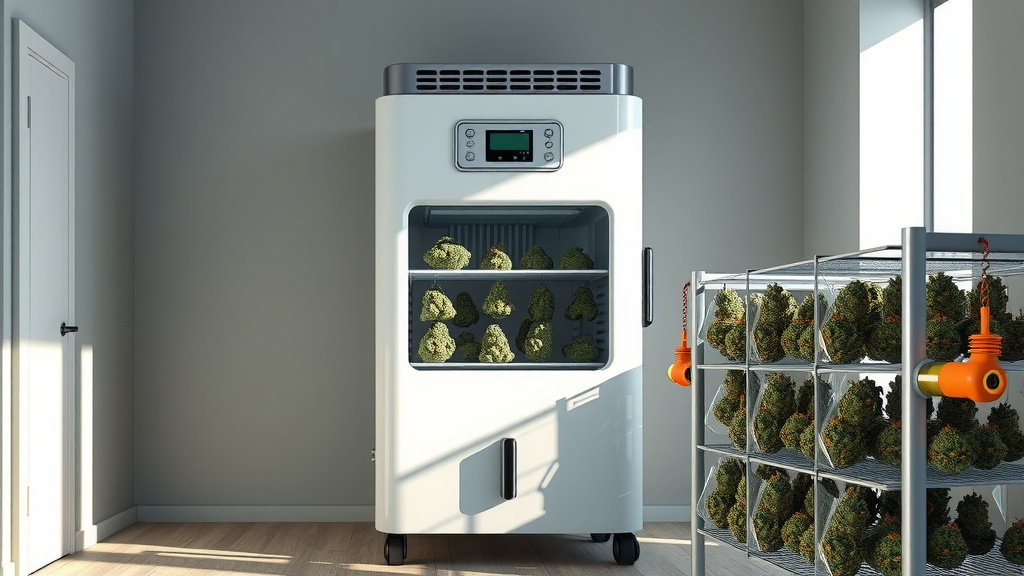
While a dehumidifier can lower ambient humidity, directly drying weed with one is generally not advised for optimal quality and mold prevention.
It tends to dry the plant material too rapidly on the outside, which can trap moisture within the core, leading to an uneven dry and a poor cure.
Here’s a quick overview of why using a dehumidifier directly for drying weed isn’t ideal, and how it can still be a valuable tool:
- A dehumidifier is **not a primary drying tool** for cannabis due to rapid surface drying.
- Direct use risks **trapping internal moisture**, increasing chances of mold.
- Proper drying requires **slow, controlled moisture removal** for optimal flavor and potency.
- You should use a dehumidifier to **manage the ambient humidity** in your drying room.
- It helps maintain the **ideal environment** for traditional hang-drying methods.
Can You Dry Weed in a Dehumidifier?
Using a dehumidifier as your primary tool to dry weed is generally not recommended for achieving a quality product. While it can remove moisture from the air, it often dries the plant material too fast and unevenly. Think of it like trying to cook a steak on high heat; the outside might char while the inside stays raw. That’s not what you want for your harvest!
Why Traditional Drying Methods Reign Supreme
Many experienced cultivators we spoke with emphasize the importance of a slow, controlled drying process. This ensures that the moisture leaves the plant evenly, from the inside out. This careful approach helps to preserve the delicate terpenes and cannabinoids that give cannabis its unique aroma, flavor, and effects. It’s a craft, not a race.
The Pitfalls of Direct Dehumidifier Drying
When you place weed directly into a dehumidifier’s path or inside its chamber, you risk a few significant problems. The machine’s intense moisture extraction can be too aggressive for sensitive plant material. This rapid drying can compromise the final quality of your harvest.
Mold and Uneven Drying
One of the biggest concerns is mold. If the outside of your buds dries too quickly, it can form a sort of “shell.” This shell then traps moisture deep within the bud. Research has shown that trapped moisture is a perfect breeding ground for mold and mildew (NIH). You definitely don’t want moldy weed, as it can be harmful to consume.
Impact on Quality and Potency
Beyond mold, a quick dry can lead to a harsh smoke. The plant needs time for chlorophyll to break down and for sugars to convert, a process that happens slowly during a proper dry and cure. Rushing this can result in a grassy taste and a less potent, less enjoyable experience. Many experts say that **patience is key** to a superior product.
How Dehumidifiers CAN Help Your Drying Process
So, does this mean your dehumidifier is useless for drying weed? Not at all! It just needs to be used in a smarter, more indirect way. A dehumidifier can be an incredibly valuable tool for **creating the perfect drying environment**, not for directly drying the plant itself.
Creating the Ideal Drying Environment
Your goal is to mimic nature’s best conditions for a slow, even dry. This means controlling the entire room where your cannabis hangs. The dehumidifier plays a crucial role here, helping you maintain a consistent and ideal humidity level.
Controlling Ambient Humidity
We found that using a dehumidifier in your drying room, positioned away from the actual plants, is highly effective. It helps to pull excess moisture from the air, preventing humidity spikes that could encourage mold. This way, the room’s atmosphere is optimized, not the plant material directly. It’s like setting the stage for a great performance.
Air Circulation is Key
Along with controlled humidity, good air circulation is vital. A gentle fan (not directly blowing on the plants) can help move the air around. This combination of **controlled humidity and gentle airflow** creates a stable environment. This stability allows the plants to dry naturally and evenly over time.
What is the Ideal Drying Room Environment?
To ensure a top-quality product, you need to provide your cannabis with specific environmental conditions. Think of it as a comfortable spa day for your plants.
Temperature and Humidity Sweet Spot
Many guidelines point to a target temperature range of **60-70°F (15-21°C)** and a relative humidity (RH) of **50-60%** (CannaSOS). This range allows for a slow, steady moisture release without drying too fast or risking mold. Fluctuations outside this range can negatively impact your harvest. We found this balance to be crucial.
Airflow Considerations
You want a consistent, gentle breeze, not a gale force wind. An oscillating fan positioned to circulate air around the room, rather than directly at the plants, is often recommended. This prevents stagnant air pockets while avoiding rapid localized drying.
Step-by-Step: Setting Up Your Drying Space
Here’s a simple checklist to help you create an optimal drying environment. These steps can make a big difference in your final product.
- Choose a **dark, enclosed space** (closet, tent).
- Install a **temperature and humidity monitor**.
- Place your dehumidifier in the room, **away from plants**.
- Add a **small oscillating fan** for gentle air movement.
- Ensure **proper ventilation** (e.g., small exhaust fan).
- Hang your trimmed cannabis branches **on lines or racks**.
Comparing Drying Approaches
Let’s look at the two approaches to see the clear difference.
| Method | Pros | Cons |
|---|---|---|
| Direct Dehumidifier Drying | Very fast drying | Poor quality, harsh taste, mold risk, uneven dry, terpene loss |
| Controlled Room Drying (with dehumidifier for ambient control) | High quality, smooth smoke, preserved terpenes, even dry, reduced mold risk | Takes longer (7-14 days), requires careful monitoring |
Common Drying Mistakes to Avoid
Many growers, especially new ones, make certain errors that can sabotage their harvest. A common one is drying too fast, which we’ve already discussed. Another is **overcrowding the drying space**. This limits airflow and creates microclimates of high humidity, perfect for mold. Give your plants room to breathe, literally.
Beyond the Dehumidifier: Proper Curing is Next
Drying is only half the battle. Once your weed feels dry on the outside and the stems snap, not bend, it’s time for curing. Curing is the process of storing your dried cannabis in airtight containers, usually glass jars, and “burping” them regularly.
Why Curing Matters So Much
Curing allows any remaining internal moisture to equalize throughout the buds. It also breaks down residual chlorophyll and develops the full terpene profile. This process is what transforms decent weed into **truly exceptional weed**. It’s where the magic truly happens, enhancing flavor, aroma, and potency.
Conclusion
While a dehumidifier isn’t your direct drying solution for weed, it’s an **essential tool for environmental control**. By using it to maintain stable temperature and humidity in your drying space, you create the perfect conditions for a slow, even dry. This thoughtful approach protects your harvest from mold and harshness, ensuring a premium, enjoyable product. Remember, good things take time, especially when it comes to drying and curing your cannabis.
Can a dehumidifier make weed dry too quickly?
Yes, directly exposing weed to a dehumidifier’s strong moisture removal can dry the outer layers of the buds too rapidly. This quick surface drying can create a barrier, trapping moisture inside and leading to an uneven dry. This also increases the risk of mold developing within the bud.
What are the ideal temperature and humidity for drying weed?
Most experts recommend drying weed in a room with a stable temperature between 60-70°F (15-21°C) and a relative humidity (RH) of 50-60%. This range promotes slow, even drying, preserving terpenes and cannabinoids for a higher-quality final product.
Can I use a fan with my dehumidifier in the drying room?
Absolutely, a fan is highly recommended! Use a small oscillating fan to gently circulate air around the drying room, but ensure it’s not blowing directly onto the plants. This helps prevent stagnant air pockets and promotes even drying without over-drying specific areas, especially when combined with a dehumidifier for humidity control.
How long does it typically take to dry weed properly?
Properly drying weed usually takes about 7 to 14 days, depending on factors like the density of the buds, initial moisture content, and the specific environmental conditions of your drying room. Rushing the process can compromise quality, so patience is key.
What happens if my weed dries too fast?
If your weed dries too quickly, it can result in a harsh, grassy flavor and a less potent effect. Rapid drying doesn’t allow enough time for chlorophyll to break down and for the complete development of terpenes and cannabinoids, leading to a less enjoyable and lower-quality smoking or vaping experience.
