
Can You Dry Wood with a Dehumidifier?
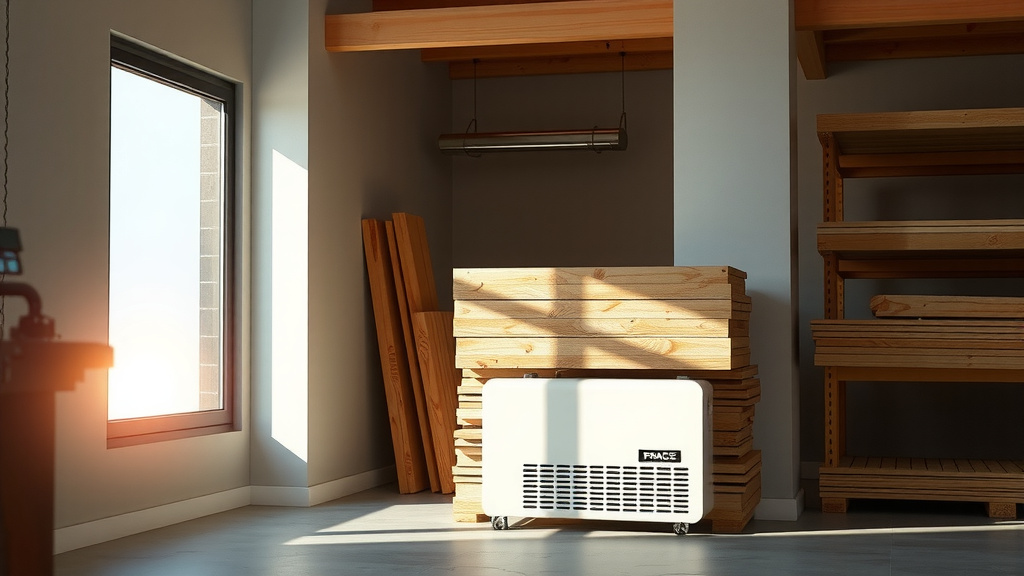
Yes, you can absolutely dry wood with a dehumidifier, and it’s a smart way to control moisture content precisely. Using a dehumidifier creates a stable environment that slowly and evenly pulls moisture from wood, preventing common issues like warping or cracking.
TL;DR for Drying Wood with a Dehumidifier:
- A dehumidifier is excellent for controlled wood drying.
- It helps achieve specific moisture content levels for wood stability.
- Use it in a closed space for best results.
- Monitor moisture with a meter to prevent damage.
- This method is slower than kilns but gentler on the wood.
Ever wondered if that trusty dehumidifier in your basement could do more than just fight musty smells? What if it could help you preserve precious wood? You’re not alone in thinking this way. Many DIY enthusiasts and woodworkers often ponder this very question.
Using a dehumidifier for wood drying isn’t just possible; it can be an incredibly effective method. It offers a gentle, controlled approach to reducing wood’s moisture content. This method helps your wood reach ideal stability for crafting or construction.
Can You Dry Wood with a Dehumidifier?
Yes, you can dry wood effectively with a dehumidifier. This process allows for slow and controlled moisture extraction from timber.
Think of it like easing your wood into a comfortable, dry environment. Instead of drastic changes, a dehumidifier creates a stable atmosphere. This stability is key to preventing damage and preserving the wood’s integrity.
Why Wood Needs Drying: The Hidden Dangers of Moisture
Wood is a living, breathing material, even after it’s cut. It naturally holds a lot of water. If you try to build with wet wood, you’re inviting trouble into your project.
Imagine building a beautiful table, only for the wood to warp and crack months later. This common issue happens because the wood shrinks unevenly as it dries naturally. We want to avoid that headache, right?
Many experts say that moisture content directly affects a wood’s strength and stability (Forest Products Laboratory). Properly dried wood is far more durable and predictable.
The Science of Water and Wood Fibers
Wood contains water in two forms: free water in cell cavities and bound water within cell walls. Drying aims to remove both. A dehumidifier tackles both types of moisture effectively.
As water leaves the wood, the fibers gradually contract. Controlling this process is like teaching wood to shrink gracefully, preventing sudden, damaging changes.
How a Dehumidifier Works Its Magic
A dehumidifier pulls moisture from the air, lowering the relative humidity. When the air around your wood is drier, the moisture inside the wood wants to move out. It’s a simple dance of equilibrium.
This process is slow and steady, unlike the aggressive heat of a kiln. Slow drying is often better for preserving the wood’s internal structure and minimizing stress.
The Ideal Drying Environment
To dry wood with a dehumidifier, you need a relatively enclosed space. A small workshop, a shed, or even a dedicated drying room works perfectly. The smaller the space, the more efficient your dehumidifier will be.
We found that consistent airflow around the wood also speeds things up. Make sure air can circulate freely around all surfaces of your timber stack.
Setting Up Your Wood Drying Station
Getting started is easier than you might think. First, gather your wood. Stack it carefully, using thin spacers (stickers) between each layer. This creates airflow channels.
Next, place your dehumidifier in the center of your drying area, if possible. You’ll want to set it to a desired humidity level, often around 30-40% for initial drying.
Choosing the Right Dehumidifier
Not all dehumidifiers are created equal for this task. You’ll want a unit designed for larger spaces, often called a “whole-house” or “commercial” dehumidifier. They can remove more pints of water per day.
Look for models with a built-in humidistat and continuous drainage option. This means less work for you, as it will maintain humidity and drain automatically.
Monitoring Your Progress: Don’t Guess, Measure!
This is where a moisture meter becomes your best friend. You can’t tell if wood is dry just by looking at it. A moisture meter will give you precise readings of the wood’s moisture content (MC).
Many experts suggest checking MC periodically, perhaps weekly, from different pieces of wood in your stack. This ensures even drying throughout the batch.
Target Moisture Content (MC)
What’s your target MC? It depends on your climate and project. For indoor furniture, 6-8% MC is generally ideal in most regions. For outdoor projects, 9-12% might be more appropriate.
Research often connects proper MC with preventing future movement in finished products (USDA Forest Service). Knowing your target saves you from future headaches.
Tips for Optimal Dehumidifier Drying
Here are some quick pointers to make your wood drying project a success:
- Stack Neatly: Use stickers (spacers) evenly between layers.
- Good Airflow: Ensure air can move around all sides of your stack.
- Ventilation: Occasionally vent the room to remove humid air, especially at the start.
- Even Temperatures: Keep the drying room temperature consistent.
- Patience is Key: This is a slower process, but the results are worth it.
Avoiding Common Drying Mistakes
Rushing the process is probably the biggest mistake. Trying to dry wood too quickly can lead to internal stresses, surface checking, and honeycombing. Remember, slow and steady wins the race when it comes to wood drying.
Another pitfall is inconsistent humidity. Rapid fluctuations can stress the wood. Aim for a steady, gradual reduction in humidity over time.
Dehumidifier vs. Kiln Drying: A Quick Comparison
When it comes to drying wood, you usually hear about kilns. Kilns use heat and controlled humidity to dry wood rapidly. Dehumidifiers offer a different approach.
| Feature | Dehumidifier Drying | Kiln Drying |
|---|---|---|
| Speed | Slower, more gradual | Faster, often days/weeks |
| Equipment Cost | Lower for hobbyists | High, commercial scale |
| Energy Use | Moderate (electricity) | High (heat + electricity) |
| Wood Stress | Low (gentle process) | Higher (potential for defects) |
| Accessibility | DIY-friendly | Professional service |
As you can see, each method has its place. For the home woodworker or smaller batches, a dehumidifier is a more accessible and often preferred choice.
Is Your Wood Ready? A Checklist
How do you know when your wood has reached its happy place of dryness? Here’s a quick checklist:
- Moisture meter shows consistent readings across all pieces.
- MC matches the target for your project and climate.
- Wood feels lighter than before.
- There are no new visible signs of warping or cracking.
- The wood has been in the controlled environment for a sufficient period.
Remember, patience truly is a virtue here. You are investing time now to save yourself from future frustration.
Conclusion
So, can you dry wood with a dehumidifier? Absolutely! It’s a practical, accessible, and highly effective method for controlling wood moisture. By understanding the process and giving your wood the time it needs, you can achieve stable, reliable timber for all your projects.
This gentle approach minimizes stress on the wood. It ensures your efforts result in beautiful, lasting creations. Grab your dehumidifier and start giving your wood the best possible foundation for its next life!
Frequently Asked Questions About Drying Wood with a Dehumidifier
How long does it take to dry wood with a dehumidifier?
The drying time varies greatly depending on the wood type, thickness, initial moisture content, and the efficiency of your dehumidifier. Thinner wood dries faster. It can take anywhere from a few weeks to several months for thicker pieces. Patience is essential for quality results.
What is the ideal humidity level for drying wood?
For initial drying, a relative humidity (RH) of around 30-40% is a good starting point. As the wood dries, you can gradually lower the RH to about 25-30% to reach the target moisture content. Avoid drastic and sudden changes in humidity to prevent damage.
Can I use any dehumidifier to dry wood?
While most dehumidifiers remove moisture, a unit with a higher pint removal capacity (e.g., 50-70 pints/day) and a built-in humidistat is ideal. Look for industrial or commercial-grade dehumidifiers for larger batches. A continuous drainage option is also very helpful.
Do I need to stack the wood a specific way for dehumidifier drying?
Yes, proper stacking is crucial. You should use “stickers” (small, uniform spacers, typically 3/4-inch thick) between each layer of wood. This allows air to circulate freely around all surfaces, promoting even drying and preventing mold growth.
What are the signs that wood is drying too fast?
If wood dries too quickly, you might see signs like surface checking (small cracks on the surface), honeycombing (internal cracks not visible externally), or severe warping. These issues arise from moisture leaving the wood unevenly. Always aim for a slow, controlled drying process.
