
Can You Get Legionnaires Disease from a Dehumidifier?
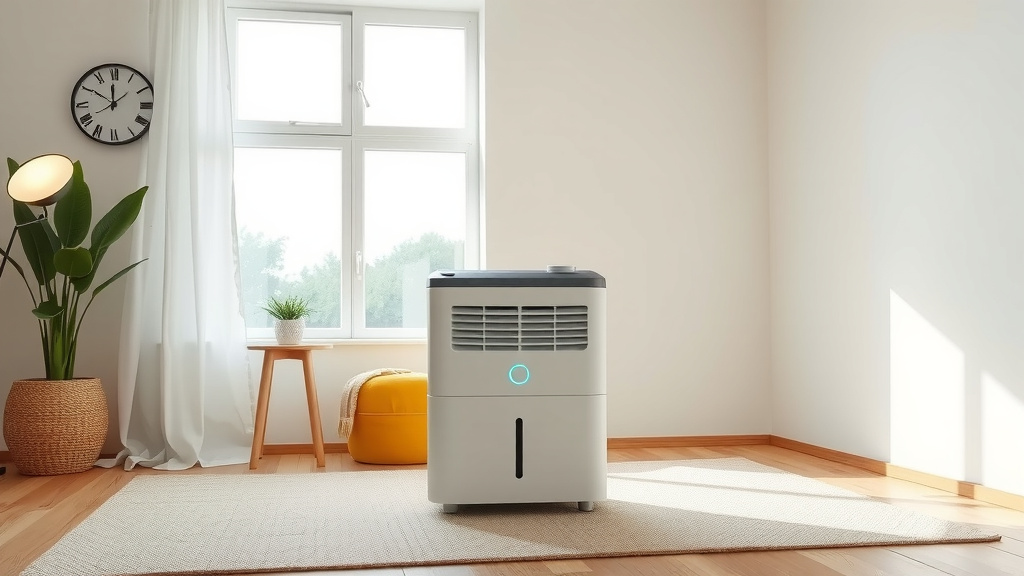
No, you cannot directly get Legionnaires’ disease from a dehumidifier in typical household use. These devices do not create the aerosolized water droplets needed to transmit the bacteria.
Legionella bacteria thrives in stagnant warm water and spreads through fine mists, which dehumidifiers are designed to remove, not produce.
Here’s a quick overview of what you’ll learn about dehumidifiers and Legionnaires’ disease:
- Dehumidifiers are generally safe and do not spread Legionnaires’ disease.
- The Legionella bacteria needs standing water and aerosolized mist to spread.
- Dehumidifiers remove moisture, preventing conditions where Legionella could thrive.
- Proper maintenance, like cleaning the water tank, helps keep your home healthy.
- Focus on good humidity control for a fresh and comfortable living space.
Can You Get Legionnaires Disease from a Dehumidifier?
No, you cannot directly contract Legionnaires’ disease from a dehumidifier you use at home. These appliances work by removing moisture, not creating the conditions needed for the bacteria to spread.
Understanding Legionnaires’ Disease
Legionnaires’ disease is a serious type of pneumonia. It’s caused by the Legionella bacteria (CDC). This bacteria lives naturally in fresh water sources like lakes and streams.
How Legionnaires’ Disease Spreads
This illness spreads when people breathe in tiny water droplets, called aerosols, containing the bacteria. Think of mists from showers, cooling towers, or decorative fountains. It’s not spread from person to person.
Dehumidifiers vs. Misters: A Key Difference
A dehumidifier’s job is to take moisture out of the air. It pulls humid air over cold coils, condensing the water vapor. This water collects in a tank, but it doesn’t get sprayed back into the air as a mist.
Why Dehumidifiers Don’t Pose a Risk
Dehumidifiers do not create the fine aerosolized water droplets that carry Legionella. They simply collect water. This makes them very different from humidifiers or misters that release water into the air.
The Role of Stagnant Water and Bacteria Growth
Legionella bacteria love warm, stagnant water (Mayo Clinic). If water sits for too long in a warm environment, bacteria can multiply. This is why proper maintenance of certain water systems is key.
Your Dehumidifier’s Water Tank
The water collected in your dehumidifier’s tank is generally cool. It isn’t typically warm enough or stagnant enough for long periods to become a breeding ground for Legionella. Still, keeping it clean is a good idea.
Maintaining Your Dehumidifier for Health
While not a Legionnaires’ risk, cleaning your dehumidifier regularly is still important. It helps prevent mold, mildew, and other common household bacteria from growing in the tank.
Simple Steps for a Clean Dehumidifier
Empty the water tank often. Give it a quick rinse with warm, soapy water every few weeks. You can also wipe down the exterior and check the air filter. This routine keeps your unit running smoothly.
Humidity Levels and Your Home’s Health
Maintaining proper humidity levels is a big health benefit of dehumidifiers. High humidity can encourage mold growth, dust mites, and a stuffy feeling. These can all affect your indoor air quality.
Ideal Humidity Range
Many experts say keeping your indoor humidity between 30% and 50% is ideal (EPA). This range helps prevent mold, reduces allergens, and makes your home feel more comfortable. Your dehumidifier helps achieve this.
Common Myths About Dehumidifiers and Illness
There are many misunderstandings about household appliances. We found that worries about dehumidifiers spreading disease often come from confusing them with other devices, like certain humidifiers or air conditioners.
Here’s a simple comparison to clear up the differences:
| Feature | Dehumidifier | Humidifier (Cool Mist) | Cooling Tower (Industrial) |
|---|---|---|---|
| Primary Function | Removes moisture from air | Adds moisture to air | Cools water in large systems |
| Water Output | Collects liquid water in tank | Releases fine water mist/vapor | Releases water vapor, potentially aerosols |
| Legionella Risk | Very Low (removes moisture) | Low (if not cleaned, can grow other bacteria) | Higher (large scale, warm stagnant water, aerosols) |
| Typical Location | Homes, basements | Homes, bedrooms | Commercial buildings, factories |
When to Be Cautious About Legionella
While dehumidifiers are safe, it’s good to be aware of other potential sources. Hot tubs, large plumbing systems, and decorative water features can sometimes pose a risk if not properly maintained (NIH).
Everyday Situations to Watch For
If you have an unused hosepipe with standing water, or certain parts of your home’s water system haven’t been flushed, these are areas to consider. Regular use and flushing of water lines keep things fresh.
Practical Solutions for a Healthy Home
Your actions make a big difference in maintaining a healthy living space. Good ventilation, regular cleaning, and managing humidity are all important parts of this process.
Your Healthy Home Checklist:
- Empty the dehumidifier tank often: Don’t let water sit for days.
- Clean the tank regularly: A quick wash with soap and water works wonders.
- Keep humidity levels balanced: Aim for 30-50% relative humidity.
- Ventilate damp areas: Use exhaust fans in bathrooms and kitchens.
- Stay informed: Understand how your appliances work and what maintenance they need.
Enjoying a Drier, Healthier Space
Using a dehumidifier can dramatically improve comfort in your home. It helps reduce musty odors and protects against moisture damage. Knowing it’s safe helps you relax and enjoy these benefits.
Conclusion
You can breathe easy knowing your dehumidifier is not a source of Legionnaires’ disease. These devices are designed to remove moisture from the air, creating a less hospitable environment for bacteria like Legionella. By maintaining your unit properly, you’re helping create a healthy, comfortable living space. So, keep that humidity in check and enjoy the fresh air!
What is the best way to clean a dehumidifier water tank?
The best way to clean your dehumidifier water tank is to empty it, then rinse it with warm, soapy water. For a deeper clean, you can use a solution of white vinegar and water, letting it sit for about 30 minutes before rinsing thoroughly.
How often should I empty my dehumidifier’s water tank?
You should empty your dehumidifier’s water tank as often as it fills up, which depends on the humidity in your home. Ideally, empty it daily or every other day to prevent any stagnant water from sitting for too long.
Can I use a dehumidifier in a basement with a musty smell?
Yes, using a dehumidifier in a basement with a musty smell is highly recommended. Musty odors are often caused by high humidity and mold growth. A dehumidifier will reduce moisture, helping to eliminate the smell and prevent further mold issues.
Does proper humidity control help with allergies?
Yes, proper humidity control can significantly help with allergies. Keeping indoor humidity between 30% and 50% reduces the growth of common allergens like dust mites and mold, which thrive in damp environments.
Are there any risks associated with using a dehumidifier?
Generally, dehumidifiers have very few risks when used correctly. The main concerns are maintaining the unit to prevent mold in the water tank, and ensuring it’s placed safely to avoid tripping hazards or electrical issues. Always follow the manufacturer’s guidelines.
