
Can You Have Window Open with Dehumidifier?
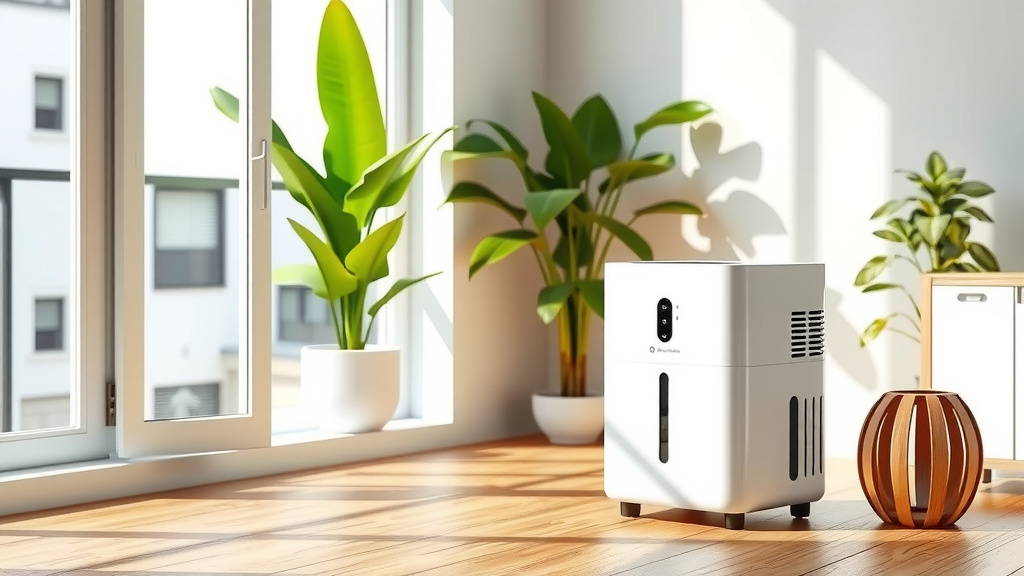
No, you generally should not have a window open when running a dehumidifier. Keeping windows and doors closed is essential for your dehumidifier to work efficiently and effectively.
An open window allows humid outdoor air to constantly enter your space, making your dehumidifier work harder without reaching its target humidity level. It’s like trying to cool a room with the air conditioner on while the front door is wide open.
Here’s a quick summary of what you need to know:
- Running a dehumidifier with an open window wastes energy and money.
- It makes the dehumidifier less effective at removing indoor moisture.
- Outdoor humidity will constantly stream in, creating a never-ending battle.
- Keep doors and windows closed to create a sealed environment for optimal results.
- Consider ventilation for fresh air *separately* from dehumidification needs.
Can You Have Window Open with Dehumidifier?
In most situations, you should not keep your window open while your dehumidifier is running. This practice largely defeats the purpose of the appliance.
Why an Open Window is a Dehumidifier’s Nemesis
Imagine trying to fill a bathtub that has its drain open. It’s a bit like that. Your dehumidifier is diligently pulling moisture from your indoor air. But an open window lets in a constant stream of humid air from outside. This makes its job much harder, if not impossible.
The Science of Humidity Control
Dehumidifiers work by creating a closed system. They pull air from your room, remove the moisture, and then release dryer air back into the same room. When you open a window, you break this closed system. This allows the dew point to remain high inside your home (EPA).
It’s an Energy Drain, Plain and Simple
Running a dehumidifier is an energy investment. You’re paying for electricity to remove moisture. If you leave a window open, your machine runs constantly. It tries to dry out your entire neighborhood, which is not what you want. This leads to higher energy bills with little actual benefit.
When Does it *Possibly* Make Sense? (Rare Cases)
There are very few scenarios where an open window and a dehumidifier might coexist. Perhaps you’re dealing with a sudden, short-term spill. Or maybe you’re drying paint and need both ventilation and some moisture control. Even then, it’s a temporary, inefficient solution. For long-term humidity issues, a sealed environment is king.
Optimal Conditions for Your Dehumidifier
For your dehumidifier to perform best, think of your room as a sealed box. Keep all windows and exterior doors shut. This ensures the machine works only on the air within your confined space, bringing down humidity levels efficiently. We found that a stable, contained area yields the best results.
Understanding Relative Humidity
Relative humidity is the amount of water vapor in the air compared to the maximum amount it can hold at that temperature. The goal of a dehumidifier is to reduce this number. Many experts say that keeping indoor humidity between 30% and 50% is ideal for comfort and health (Mayo Clinic).
Consider these points for effective operation:
- Always keep windows and doors tightly closed in the area you are dehumidifying.
- Ensure the dehumidifier is the correct size for your room.
- Place the unit in a central location, away from walls.
- Clean the air filter regularly to maintain airflow and efficiency.
- Empty the water tank or connect a drain hose for continuous operation.
The Trade-Off: Fresh Air vs. Dry Air
You might wonder, “Don’t I need fresh air?” Yes, ventilation is important for indoor air quality. However, it’s a separate need from dehumidification. You can open windows for a short period to air out a room. Just turn off your dehumidifier during that time. Then, close everything up and turn the dehumidifier back on. This way, you meet both needs intelligently.
Here’s a quick look at the impact:
| Condition | Dehumidifier Performance | Energy Use |
|---|---|---|
| Windows Closed | Highly Efficient, Achieves Target Humidity | Optimized, Lower Bills |
| Windows Open | Very Inefficient, Struggles to Reduce Humidity | Much Higher, Wasted Energy |
Signs You Need a Dehumidifier
Do you notice a musty smell? Condensation on your windows? Perhaps peeling paint or warped wood? These are all clear signals that your indoor humidity is too high. A dehumidifier can offer a practical solution. Many households benefit from having one, especially in humid climates or damp areas like basements (NIH).
A Checklist for Smart Dehumidifier Use
To get the most out of your dehumidifier, follow these simple steps:
- Close all windows and doors in the area.
- Set your desired humidity level (typically 40-50%).
- Clean the filter every few weeks.
- Ensure the unit has proper airflow around it.
- Monitor the room’s humidity with a hygrometer.
- Only open windows for ventilation when the dehumidifier is off.
Protecting Your Home and Health
High humidity isn’t just uncomfortable. It creates an ideal environment for mold and mildew growth. These can trigger allergies and respiratory issues (CDC). By effectively managing your indoor humidity, you protect both your property and your family’s well-being. We found that preventing mold growth through proper humidity control is a common recommendation.
Conclusion
When you use a dehumidifier, your main goal is to create a controlled environment. Opening a window works against this by inviting outdoor humidity indoors. For optimal results, energy savings, and effective moisture removal, keep your windows closed while your dehumidifier is running. Think of it as teamwork: your dehumidifier works best when it’s given a clear, confined space to do its job. Your home will feel dryer, smell fresher, and be a healthier place to live. It’s all about making smart choices for your indoor environment.
Can a Dehumidifier Help with Allergy Symptoms?
Yes, a dehumidifier can often help reduce allergy symptoms. By lowering indoor humidity, you make it harder for common allergens like dust mites and mold to thrive. These organisms love damp environments, so drying out your air can significantly reduce their populations, leading to fewer triggers for allergies and asthma.
How Long Does it Take for a Dehumidifier to Work?
The time it takes for a dehumidifier to work varies greatly depending on several factors. These include the size of the room, the initial humidity level, the dehumidifier’s capacity, and whether windows and doors are sealed. You might notice a difference in just a few hours, but it could take a day or two to reach your target humidity in a very damp space.
Is it Bad to Have Humidity Too Low?
Yes, having humidity that is too low can also cause problems. Extremely dry air can lead to dry skin, irritated throats, static electricity, and even damage to wooden furniture. Many experts recommend maintaining indoor humidity levels between 30% and 50% for comfort and health, as mentioned earlier (Mayo Clinic).
Where is the Best Place to Put a Dehumidifier?
The best place to put a dehumidifier is usually in the dampest part of your home, often a basement, crawl space, or laundry room. Position it in a central location within the room, away from walls and furniture, to allow for unobstructed airflow. Avoid placing it directly against a wall or in a corner.
Do I Need to Run a Dehumidifier All the Time?
You do not necessarily need to run a dehumidifier all the time. Many units have a humidistat that allows you to set a desired humidity level. The machine will then turn on and off as needed to maintain that level. In less humid seasons, you might find you only need to run it periodically or not at all.
