
Can You Kill Mold with a Dehumidifier?
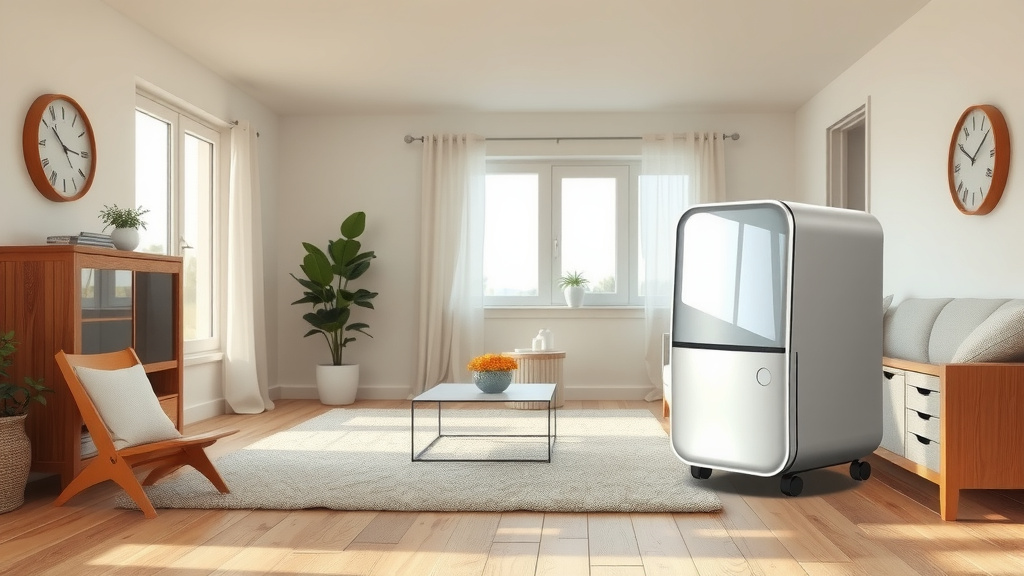
A dehumidifier cannot directly kill active mold growth; its primary role is to remove excess moisture from the air, which helps prevent mold from forming or spreading further. While a dehumidifier will not eliminate existing mold, it creates an unfavorable environment for mold spores to thrive, making it a powerful tool in your mold prevention strategy.
Here’s the quick scoop on dehumidifiers and mold:
- Dehumidifiers don’t kill mold directly, but they stop its growth.
- Mold needs moisture to grow; a dehumidifier removes that moisture.
- Always clean up existing mold first, then use a dehumidifier for prevention.
- Ideal humidity levels (30-50%) are key to keeping mold at bay.
- Think of a dehumidifier as a preventative superhero, not a mold assassin.
Can You Kill Mold with a Dehumidifier?
No, a dehumidifier cannot kill mold. Its job is to remove humidity, which stops mold from growing and spreading.
Understanding Mold’s Best Friend: Moisture
Imagine mold as a tiny plant. Just like garden plants need water, mold needs moisture to live and grow. If there’s no water, mold simply can’t thrive. It’s that simple.
Why Humidity Matters So Much
Humidity is just water vapor in the air. When your home has high humidity, especially above 60%, it creates the perfect damp conditions for mold spores to germinate. These spores are everywhere, waiting for their chance.
What a Dehumidifier Actually Does for You
A dehumidifier acts like a sponge for the air. It pulls in moist air, cools it down to remove the water, and then releases drier air back into your space. This process significantly reduces the overall humidity level in your home.
The Power of Prevention
By keeping humidity low, a dehumidifier makes your home a very unwelcome place for mold. It essentially starves the mold of its most important resource: water. So, while it doesn’t kill mold, it’s a powerful tool for stopping it before it starts (EPA).
Where Mold Hides and Why
Mold loves damp, dark places. You often find it in basements, bathrooms, laundry rooms, or anywhere with poor ventilation. These areas naturally trap moisture, making them prime mold breeding grounds.
When to Use Your Dehumidifier for Mold
The best time to use a dehumidifier is continuously in areas prone to dampness. Think basements after a flood, humid summer days, or any room that feels consistently clammy. It’s all about maintaining a stable, dry environment.
Ideal Humidity Levels for a Mold-Free Home
Many experts suggest keeping your indoor humidity between 30% and 50% (CDC). This range is comfortable for most people and too dry for mold to flourish. You can monitor this with a hygrometer, a small device that measures humidity.
Here’s a quick guide to humidity:
| Humidity Level | Mold Risk | Action Needed |
|---|---|---|
| Below 30% | Low (can cause dryness for people) | Consider adding humidity if too dry. |
| 30% – 50% | Ideal range for mold prevention | Maintain this level. |
| Above 50% | High risk of mold growth | Use a dehumidifier, improve ventilation. |
How to Tackle Existing Mold Safely
If you see mold, a dehumidifier isn’t your first step. You need to clean it up. Think of it like this: you wouldn’t just turn on a fan to get rid of a spill, right? You’d wipe it up first.
DIY Mold Cleaning: Steps to Take
For small areas (less than 10 square feet), you can often handle it yourself. Wear gloves and eye protection. Use a solution of water and detergent, scrub the mold away, then dry the area thoroughly (Mayo Clinic). Always address the source of the moisture too.
When to Call the Pros
If the mold covers a large area, or if you suspect it’s hidden behind walls, it’s wise to call a professional mold remediation service. They have the right tools and knowledge to remove it safely and completely. Also, if you have health concerns, it’s best to get expert help.
Beyond Dehumidifiers: Other Mold-Fighting Tactics
While a dehumidifier is a strong player, it’s part of a team effort. You want to attack mold from all angles. It’s about creating a holistic approach to a dry and healthy home.
Ventilation is Your Ally
Make sure your home is well-ventilated. Use exhaust fans in bathrooms and kitchens. Open windows when weather permits. Good airflow helps dry out damp spots and reduces overall humidity.
Fixing Leaks and Water Damage
A leaky pipe or a damp basement wall is an open invitation for mold. Promptly fix any leaks, big or small. Dry out water-damaged areas within 24-48 hours to prevent mold from taking hold (NIH).
Here’s a quick checklist to keep mold away:
- Maintain low indoor humidity (30-50%) using a dehumidifier.
- Fix leaks immediately, no matter how small.
- Ventilate damp areas like bathrooms and kitchens.
- Clean and dry wet surfaces within 24 hours.
- Keep gutters clean and outdoor drainage away from your foundation.
- Avoid carpeting in basements or bathrooms.
Choosing the Right Dehumidifier for Your Space
Not all dehumidifiers are created equal. You wouldn’t use a tiny teacup to empty a bathtub, right? Choosing the correct size is key to its effectiveness.
Considering Room Size and Capacity
Dehumidifiers are rated by how much moisture they can remove in a day (pints). A larger, wetter space needs a higher capacity unit. For example, a damp basement will need a stronger unit than a slightly humid bedroom. Always check the manufacturer’s recommendations for your square footage and typical moisture levels. We found that matching the capacity to the room is crucial for success.
Conclusion
So, can you kill mold with a dehumidifier? The straightforward answer is no, not directly. A dehumidifier is not a mold killer, but a powerful mold growth inhibitor. It works by starving mold of the moisture it needs to survive, making your home less hospitable for these unwelcome guests. By pairing a dehumidifier with good cleaning habits and prompt attention to water issues, you create a robust defense against mold. Keep those humidity levels in check, and you’ll be well on your way to a drier, healthier living space. You’ve got this!
Can a dehumidifier get rid of mold smell?
A dehumidifier can help reduce a musty mold smell indirectly. The smell comes from mold releasing microbial volatile organic compounds (MVOCs) as it grows. By removing moisture and stopping growth, the dehumidifier cuts off the source of these compounds, thus reducing the odor over time. However, for a strong smell, you’ll also need to clean the existing mold.
How quickly does a dehumidifier work to prevent mold?
A dehumidifier starts lowering humidity levels almost immediately after being turned on. You can expect to see significant changes in humidity within a few hours to a day, depending on the unit’s size and the room’s conditions. Consistent use is what truly prevents mold from ever getting a foothold.
Can mold grow if a dehumidifier is running constantly?
If a dehumidifier is running effectively and maintaining humidity levels below 50%, it’s highly unlikely for new mold growth to occur. However, if there’s a constant water source (like a leak) or if the existing mold isn’t cleaned, it can still persist or return. A dehumidifier is a preventative measure, not a magic bullet for underlying issues.
Is it bad to run a dehumidifier all the time?
Running a dehumidifier constantly in high-humidity environments is not bad; in fact, it’s often necessary to maintain healthy indoor air quality and prevent mold. Modern dehumidifiers are designed for continuous operation. Just remember to empty the water tank regularly or set up continuous drainage, and clean the filter often for optimal performance.
What are the signs that I need a dehumidifier for mold prevention?
Look for clues like a musty smell, condensation on windows, damp or clammy air, peeling paint, or visible mold spots. If you live in a naturally humid climate or have areas like basements that often feel damp, these are strong indicators you could benefit from a dehumidifier to keep your home’s humidity balanced and prevent mold.
