
Can You Leave a Dehumidifier on Unattended?
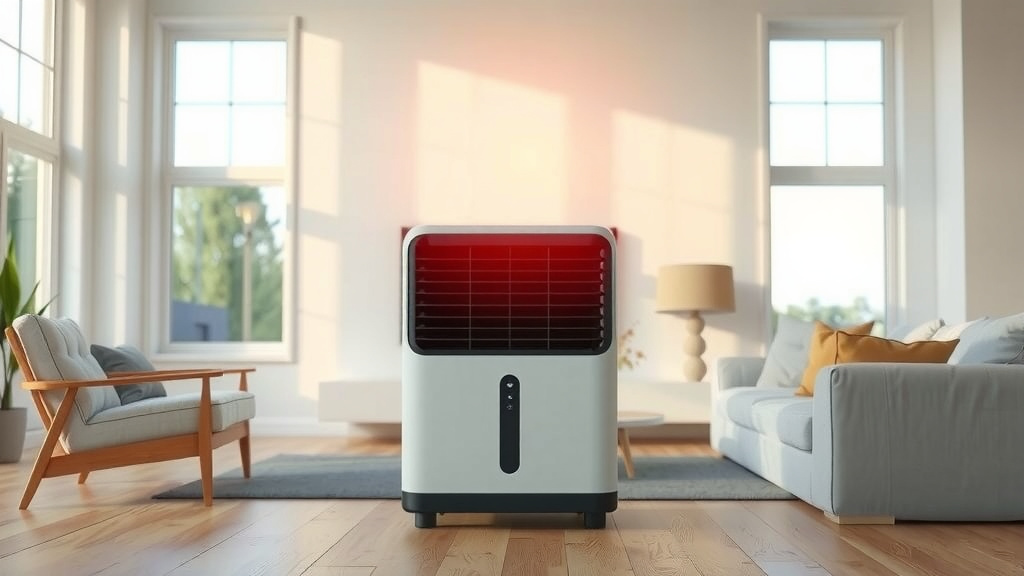
Yes, you can often leave a dehumidifier on unattended, but it requires careful setup and regular monitoring to ensure safety and efficient operation.
Many experts suggest using models with automatic shut-off features and ensuring the drainage system is properly managed when running your dehumidifier continuously.
Here’s a quick overview of what you need to know about leaving your dehumidifier on:
- Always prioritize safety features like auto-shutoff for full water buckets.
- Set up continuous drainage if you plan to be away for longer periods.
- Regularly check for potential hazards like leaks or blocked vents.
- Consider the dehumidifier’s age and condition before continuous use.
Can You Leave a Dehumidifier on Unattended?
Yes, leaving your dehumidifier running while you are away is generally acceptable with proper precautions.
However, safety and efficiency depend on the model, its features, and your setup.
Safety First: What to Consider
Your main concern should always be safety. Leaving any appliance running unsupervised carries some risk.
Modern dehumidifiers often come with advanced safety features that reduce these concerns.
Automatic Shut-Off Features
A dehumidifier with an automatic shut-off is a game-changer. It turns off when the water bucket is full.
This prevents overflows and potential water damage to your floors and belongings.
Continuous Drainage Options
For truly unattended operation, continuous drainage is your best friend. This system uses a hose.
The hose directs water directly into a floor drain or sink, eliminating the need to empty a bucket.
Understanding Potential Risks
While convenient, unattended operation isn’t without its own set of challenges. Knowing these risks helps you prepare.
Let’s look at what could go wrong and how to prevent it.
Water Leaks and Damage
Even with auto-shutoff, a hose could come loose or become kinked. This leads to unexpected puddles.
Always double-check hose connections and the drain path before you leave (UL safety standards).
Overheating and Fire Hazards
Older or poorly maintained dehumidifiers can overheat. This creates a potential fire risk.
Ensure your unit is clean, vents are clear, and it’s not near flammable materials (Consumer Reports).
Electrical Issues
Using extension cords can be risky. They may not handle the dehumidifier’s power draw.
Plug your unit directly into a dedicated wall outlet whenever possible to avoid circuit overload.
Setting Up for Success: Best Practices
Proper setup makes all the difference when you leave your dehumidifier alone. A little preparation goes a long way.
Think of it like setting up a reliable co-pilot for your home’s humidity control.
Choosing the Right Spot
Place your dehumidifier on a flat, stable surface. Avoid rugs or uneven flooring that could tip it over.
Allow ample space around the unit for air circulation, typically 6-12 inches from walls (EPA recommendations).
Drainage System Check
If using continuous drainage, confirm the hose is securely attached to the unit and the drain.
Periodically check that the drain itself isn’t clogged with debris or lint.
Regular Maintenance is Key
Before you step out, give your dehumidifier a quick check-up. This helps prevent problems.
A clean unit runs more efficiently and safely, reducing potential risks.
- Clean the air filter regularly (every 2-4 weeks).
- Empty and clean the water bucket to prevent mold growth.
- Inspect the power cord for any fraying or damage.
- Ensure all vents are clear of obstructions.
- Check for any unusual noises or smells from the unit.
Modern Dehumidifier Features to Look For
Technology has made dehumidifiers much smarter and safer for unattended use. When buying, look for these.
These features give you extra peace of mind.
| Feature | Benefit for Unattended Use |
|---|---|
| Auto-Shutoff (Full Bucket) | Prevents water overflow and damage. |
| Continuous Drain Port | Eliminates manual bucket emptying. |
| Automatic Defrost | Prevents ice buildup on coils in cooler rooms. |
| Built-in Humidistat | Maintains desired humidity level, saves energy. |
| Timer Function | Allows scheduled operation, not constant running. |
How Long is Too Long?
There’s no strict rule for how long you can leave a dehumidifier on. It depends on your setup and vigilance.
With proper continuous drainage and safety checks, weeks are possible, but daily checks are ideal.
Pre-Departure Checklist for Unattended Operation
Before you head out, use this quick checklist. It helps ensure everything is in order.
This small effort can prevent bigger headaches later.
- Is the dehumidifier plugged directly into a wall outlet?
- Are all air vents clear and unobstructed?
- Is the continuous drain hose secure and free of kinks?
- Have you cleaned the air filter recently?
- Is the water bucket empty and clean if not using continuous drainage?
- Does the unit sound and smell normal during operation?
Conclusion
Leaving your dehumidifier on unattended is a common practice and can be perfectly safe with the right preparation.
Focus on units with automatic shut-off and continuous drainage capabilities. Always prioritize regular maintenance and a careful setup to protect your home from humidity-related issues.
A well-maintained dehumidifier is a helpful tool for keeping your home dry, even when you’re not there.
How often should I check my dehumidifier when it’s running unattended?
If you’re using continuous drainage, a weekly check of the hose connection and drain path is usually sufficient. If relying on the bucket, you’ll need to check it daily, or whenever you expect it to fill based on the humidity level.
Can a dehumidifier cause a fire if left on constantly?
While rare, older units or those with electrical faults can pose a fire risk. Regular maintenance, ensuring proper ventilation, and using a unit from a reputable brand with safety certifications greatly reduce this risk. Never use a damaged power cord.
Is it better to turn off my dehumidifier when I’m not home?
Not necessarily. Keeping it on can prevent humidity buildup that leads to mold and mildew, especially in basements or damp areas. If you’re concerned, ensure it has auto-shutoff for a full bucket or set up continuous drainage.
Will leaving my dehumidifier on unattended increase my electricity bill significantly?
Running any appliance continuously will use electricity. Modern dehumidifiers with built-in humidistats are more energy-efficient, as they only run when needed to maintain a set humidity level. Always check your unit’s energy rating.
What should I do if my dehumidifier starts making strange noises while running unattended?
Strange noises can indicate a problem. If you notice unusual sounds, turn off the unit immediately. Inspect the fan, coils, and filter for any obstructions or ice buildup. If the noise persists, it’s best to consult a professional or contact the manufacturer.
