
Are Air Dehumidifiers Worth It?
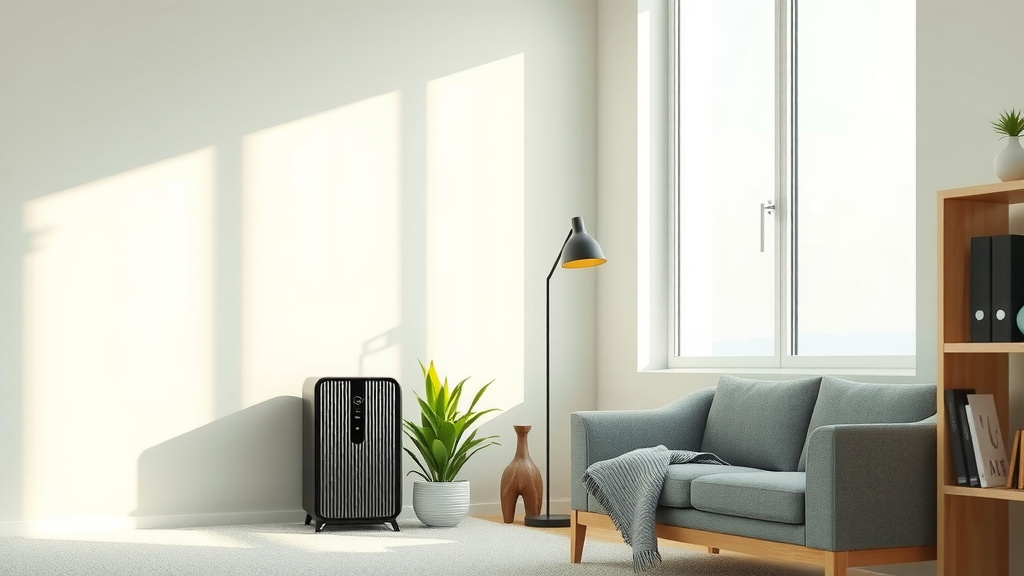
Yes, air dehumidifiers are absolutely worth it if you struggle with high indoor humidity, musty odors, or moisture-related issues like mold growth.
They significantly improve air quality, protect your home from damage, and create a far more comfortable living environment by maintaining optimal humidity levels.
Here’s a quick overview of why a dehumidifier might be a smart choice for you:
- Dehumidifiers prevent mold and mildew growth, which can harm health and property.
- They eliminate musty smells, making your home smell fresher and cleaner.
- Your indoor air feels cooler and more comfortable without sticky humidity.
- They help protect wooden furniture, electronics, and books from moisture damage.
- Reduced humidity can even make your air conditioning work more efficiently, potentially saving on energy bills.
Are Air Dehumidifiers Worth It?
If your home feels perpetually sticky, smells a little off, or shows signs of mildew, then yes, an air dehumidifier is likely a worthwhile investment for you.
It’s like having a quiet helper that manages the unseen moisture in your air, bringing balance and comfort back to your living space.
What is High Humidity, Anyway?
Think of humidity as the amount of water vapor floating around in your air. When it’s too high, typically above 50-60%, your home feels clammy.
This excess moisture isn’t just uncomfortable; it creates a perfect breeding ground for many unwelcome guests, like mold and dust mites.
It can feel like living inside a cloud, even on a sunny day. Are you experiencing this in your own home?
Unmistakable Signs You Need One
Your home often tells you when something is wrong. Paying attention to these subtle cues can save you from bigger problems.
We found that many people overlook these early warnings until the problem becomes significant.
The Pesky Musty Smell
Do you ever walk into a room and notice a distinct, earthy, or stale smell? That’s often the tell-tale sign of mildew or mold growth.
It’s not just unpleasant; it suggests a deep-seated moisture issue in carpets, walls, or upholstery. Dehumidifiers can really help here.
Visible Moisture and Mildew
Look around your windows, cold water pipes, or in damp corners of your basement. Do you see condensation droplets, water stains, or even tiny black spots?
Those black spots are usually mold or mildew, actively growing thanks to excessive moisture (EPA).
This visible dampness is a strong indicator that your home’s humidity levels are too high and need immediate attention.
How Dehumidifiers Create Comfort
A dehumidifier works similarly to a refrigerator or air conditioner. It pulls in humid air from your room.
Inside, the air passes over cold coils, causing the water vapor to condense into liquid water. This water collects in a tank.
The now-dry air is then released back into the room, making your space feel fresher and less sticky.
The Benefits: More Than Just Dry Air
Bringing down humidity does so much more than just make your home feel better. It protects your property and even your health.
- Improved Air Quality: By reducing mold and dust mites, you breathe easier. Many experts say this is a huge benefit for allergy sufferers (Mayo Clinic).
- Protection for Your Home: High humidity can warp wooden floors, damage furniture, peel paint, and rust electronics. A dehumidifier helps preserve your belongings.
- Energy Efficiency Boost: Drier air feels cooler. Your air conditioner might not need to work as hard, potentially lowering your cooling costs.
- Elimination of Odors: Say goodbye to those unpleasant, musty smells that cling to clothes and fabrics.
- Enhanced Comfort: Imagine stepping into a home that feels cool and crisp, not heavy and damp. That’s the comfort a dehumidifier provides.
Choosing Your Dehumidifier: Size Matters
Picking the right size isn’t about how big the unit looks, but its capacity to remove moisture. This is measured in pints per day.
A unit too small for your space might run constantly without making much difference, wasting energy.
Here’s a general guide to help you find the right fit for your area:
| Area Size (Square Feet) | Moisture Condition | Capacity (Pints/Day) |
|---|---|---|
| 500 sq ft | Moderately Damp | 10-14 Pints |
| 500 sq ft | Very Damp | 18-22 Pints |
| 1500 sq ft | Moderately Damp | 22-26 Pints |
| 1500 sq ft | Very Damp | 30-35 Pints |
| 2500 sq ft | Moderately Damp | 35-40 Pints |
| 2500 sq ft | Very Damp | 45-50 Pints |
Before You Buy: Key Questions
When you’re ready to make a purchase, consider these practical points. They will help you select the best model for your needs.
- What is the exact square footage of the room or area you need to dehumidify?
- How damp is the area? Is it just slightly humid, or does it have standing water?
- Do you prefer a unit with a continuous drain option, or are you fine emptying a water bucket?
- What noise level are you comfortable with? Some units are quieter than others.
- Does it have an auto-shutoff feature when the bucket is full or when the desired humidity is reached?
- What is its energy star rating? This can help you understand its operational costs.
Optimal Humidity Levels for Health
Many health organizations agree that indoor humidity levels between 30% and 50% are ideal. We found that maintaining this range can significantly reduce allergen growth.
The EPA suggests keeping your indoor humidity below 60% to prevent mold growth.
Too dry (below 30%) can also be problematic, causing dry skin, irritated sinuses, and static electricity, so balance is key.
Conclusion
Are air dehumidifiers worth it? For most homes battling high humidity, the answer is a resounding yes. They offer a simple, practical solution to a pervasive household problem.
From protecting your home’s structure and contents to significantly improving air quality and personal comfort, the benefits are clear. Investing in a dehumidifier means investing in a healthier, happier home environment for you and your family.
Don’t let excess moisture dampen your spirits or your home. Take control and experience the difference a dehumidifier can make!
What size dehumidifier do I need for my home?
The right size depends on the area’s square footage and how damp it typically is. For a moderately damp 500 sq ft space, you might need a 10-14 pint unit. A very damp 2500 sq ft area could require a 45-50 pint model. Always check the manufacturer’s recommendations based on your room size and moisture level.
Is it possible for a dehumidifier to dry out a room too much?
Yes, it is possible. If a dehumidifier runs continuously without a humidistat (a sensor that measures humidity and turns the unit off), it can make the air too dry. Optimal indoor humidity is generally between 30% and 50%. Many modern dehumidifiers have a built-in humidistat to help maintain these healthy levels automatically.
Where should a dehumidifier be placed for best results?
Place your dehumidifier in the most humid part of the room or home. This is often the basement, bathroom, laundry room, or crawl space. Position it away from walls and furniture to allow for proper airflow. Avoid placing it in front of vents or directly next to heating sources, as this can affect its efficiency.
How much electricity do dehumidifiers typically use?
The electricity usage varies greatly by model, size, and how often it runs. Smaller units are more energy-efficient than larger ones. Energy Star certified models use less power. Running costs depend on your local electricity rates and how humid your environment is, but they are generally comparable to running a window AC unit on low.
How often should I empty my dehumidifier’s water tank?
How often you empty the tank depends on the unit’s capacity and the amount of humidity in your air. In very humid conditions, you might need to empty it daily. If you have a continuous drain option, you can connect a hose to a floor drain and avoid emptying the tank entirely, making maintenance much simpler.
