
Can You Overuse a Dehumidifier?
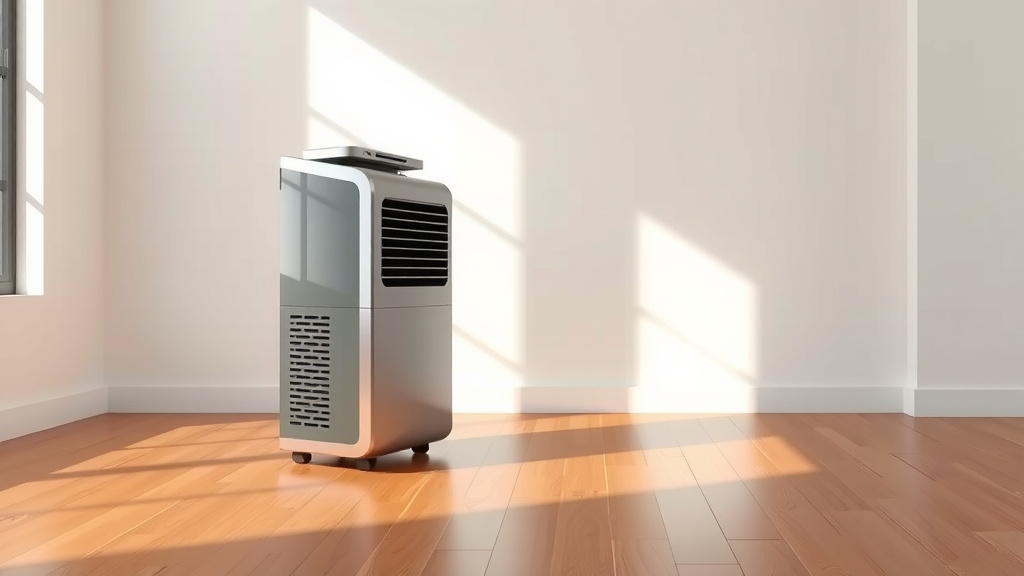
Yes, you can absolutely overuse a dehumidifier.
Running your dehumidifier too much can lead to excessively dry air, potentially causing health issues and damage to your home.
Here’s a quick overview of what you’ll discover in this guide:
- Over-dehumidifying can create air that’s too dry, affecting your health and home.
- Ideal indoor humidity typically ranges between 30-50% relative humidity.
- Monitoring humidity levels with a humidistat is key to proper use.
- Signs of overuse include dry skin, static electricity, and wood damage.
- Adjust your dehumidifier settings seasonally for best results.
Can You Overuse a Dehumidifier?
Yes, you can run a dehumidifier too much. It is possible to strip too much moisture from your home’s air. This can turn a helpful tool into a problem.
You want to find the perfect balance. Think of it like watering a plant: too little, and it wilts; too much, and it drowns. Your home needs just the right amount of humidity.
Why Moisture Control Matters So Much
Controlling humidity is vital for a comfortable and healthy home. High humidity often feels sticky and contributes to mold growth. It can make your allergies worse, too.
Many experts say that maintaining proper indoor humidity protects your family’s health. It also helps preserve your home’s structure and your belongings (CDC).
Understanding Ideal Humidity Levels
What’s the sweet spot for indoor humidity? We found that most building science professionals recommend a range. You should aim for 30% to 50% relative humidity.
This range prevents mold and mildew while keeping the air comfortable. Going above 60% relative humidity often leads to problems. Going below 30% can create other issues.
The Dangers of Too Much Dehumidification
Just like too much sugar, too little humidity can be harmful. Overusing your dehumidifier can make the air extremely dry. This dry air brings its own set of challenges.
You might think drier is always better, but it’s not. Your home needs some moisture to remain healthy and comfortable. Let’s look at why.
When Air Gets Too Dry: Health Impacts
Excessively dry air can impact your health in several ways. You might notice dry skin, itchy eyes, and chapped lips. It can also make your throat feel scratchy.
We found that very dry air can irritate your nasal passages. This makes you more susceptible to colds and flu (Mayo Clinic). It can also aggravate asthma and allergy symptoms.
Damage to Your Home and Belongings
Your home and possessions also suffer from dry air. Wood floors and furniture can crack, warp, or shrink. You might notice gaps appearing in your hardwood.
Musical instruments, books, and artwork are also vulnerable. They can become damaged and lose their value. Even static electricity becomes a bigger issue with dry air.
Signs You’re Over-Dehumidifying
How do you know if you’ve gone too far? Your body and home will often give you clues. Pay attention to these common indicators.
If you notice several of these signs, it’s time to adjust your dehumidifier. Here’s a quick checklist to help you:
- Your skin feels consistently dry or itchy.
- You experience frequent static shocks.
- Wood furniture or floors are cracking.
- Musical instruments sound out of tune or show damage.
- Your houseplants are wilting or drying out quickly.
- You have unexplained nosebleeds or persistent dry throat.
Setting Your Dehumidifier Just Right
The key to proper dehumidifier use is setting it correctly. You want to remove excess moisture, not all moisture. This often requires a little observation and adjustment.
Don’t just set it and forget it. Your ideal setting might change based on the season. A little attention goes a long way here.
The Power of a Humidistat
Most modern dehumidifiers come with a humidistat. This device is your best friend for humidity control. It lets you set a target humidity level, like 45%.
The dehumidifier will then turn on and off automatically. It works to maintain that specific humidity. This prevents both too much and too little moisture.
Seasonal Adjustments
Your home’s humidity changes with the seasons. You’ll likely need your dehumidifier more in humid summer months. Winter air is often much drier.
In winter, you might even need to turn your dehumidifier off. Sometimes, you might even use a humidifier! It’s all about reacting to the current conditions outside and inside your home.
Common Dehumidifier Mistakes to Avoid
Even with the best intentions, people make mistakes. Here are some common pitfalls to avoid when using your dehumidifier:
- Setting the humidity too low without monitoring.
- Not cleaning the filter regularly, reducing efficiency.
- Placing the unit in an unventilated corner, blocking airflow.
- Ignoring the water bucket, allowing it to overflow.
- Running it unnecessarily during dry periods.
Comparing Dehumidifier Settings and Outcomes
Understanding how different settings impact your environment is helpful. Here’s a simple guide to what you can expect:
| Humidity Setting | Expected Outcome | Potential Issues |
|---|---|---|
| Below 30% RH | Very dry air, quick moisture removal. | Dry skin, static, wood damage, respiratory irritation. |
| 30% – 50% RH | Comfortable, balanced air, mold prevention. | Optimal range, generally no issues. |
| Above 50% RH | Humid, sticky air, slower moisture removal. | Mold/mildew risk, musty odors, discomfort. |
Expert Tips for Balanced Humidity
Finding that perfect balance takes a little effort. Here are some pro tips to help you maintain ideal humidity levels in your home.
Always consider the season and your specific home environment. What works in one house might not be perfect for another. Trust your comfort levels as a guide.
- Use a separate hygrometer to cross-check your dehumidifier’s reading.
- Seal air leaks around windows and doors to prevent outside humidity intrusion.
- Ventilate bathrooms and kitchens during and after use to remove steam.
- Run your AC; air conditioning also removes some humidity.
- Consider professional advice if you have persistent humidity issues.
Conclusion
While dehumidifiers are powerful tools for a healthier home, you can overuse them. Achieving a comfortable indoor environment means finding the right balance. Aim for that 30-50% relative humidity range. Listen to your body and your home. With a little attention, you’ll master humidity control and enjoy a truly comfortable living space.
How often should I run my dehumidifier?
You should run your dehumidifier as often as needed to maintain your desired humidity level, typically between 30-50% RH. This might mean continuously in very humid climates or only occasionally during drier periods. A humidistat will automate this for you.
What is the ideal humidity level for a home?
The ideal humidity level for most homes is generally considered to be between 30% and 50% relative humidity (RH). This range helps prevent mold growth, dust mites, and discomfort, while also avoiding overly dry conditions.
Can a dehumidifier make my house too dry?
Yes, a dehumidifier can make your house too dry if it’s set too low or runs continuously in an already dry environment. This can lead to issues like dry skin, static electricity, cracking wood, and respiratory irritation.
Will running a dehumidifier save me money?
Running a dehumidifier can potentially save you money indirectly. By removing excess moisture, it helps your air conditioner run more efficiently, as dry air feels cooler than humid air. This allows you to set your thermostat higher while still feeling comfortable.
Where is the best place to put a dehumidifier?
The best place to put a dehumidifier is in the dampest area of your home, like a basement, crawl space, or a room prone to high humidity. Place it away from walls and furniture to ensure proper airflow around the unit for maximum effectiveness.
