
Can You Put a Dehumidifier Near a Furnace?
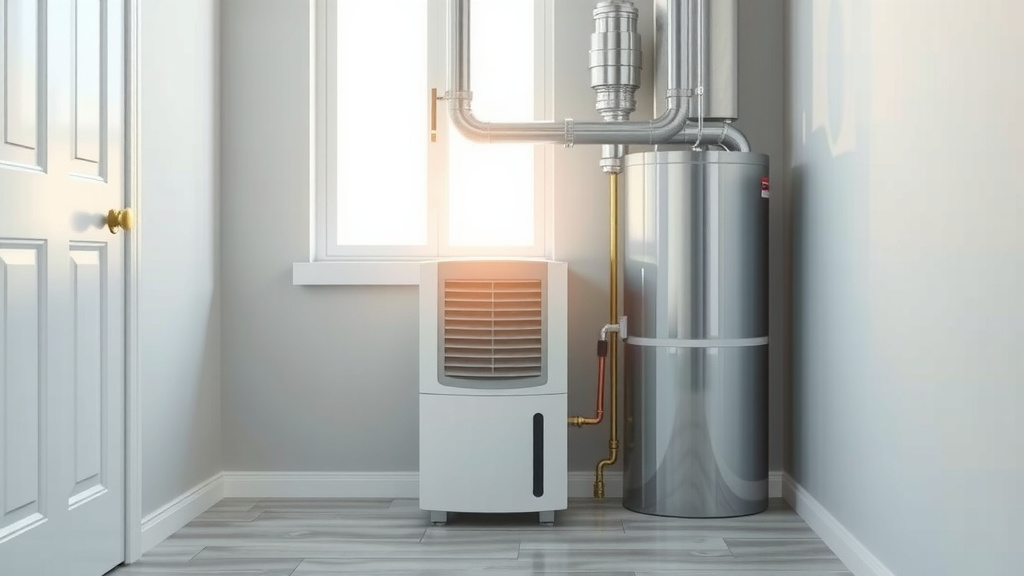
Yes, you can often put a dehumidifier near a furnace, but it requires careful consideration for safety and optimal performance. Proper distance and adherence to manufacturer guidelines are essential to prevent hazards and ensure both appliances operate efficiently.
Here’s a quick summary of what you’ll find in this article:
- You can place a dehumidifier near a furnace, but not too close.
- Safety clearance is absolutely critical to avoid fire hazards and airflow issues.
- The furnace can help circulate dry air throughout your home.
- Always check your dehumidifier’s manual for specific placement recommendations.
- Consider a whole-house dehumidifier for ultimate integration and efficiency.
Can You Put a Dehumidifier Near a Furnace?
Yes, placing a dehumidifier near your furnace is generally acceptable, and can even offer benefits, provided you follow important safety and operational guidelines. Think of it as inviting a helpful friend to your home, but ensuring they have enough personal space.
Why Consider This Placement?
You might be wondering why anyone would even consider this. Many homeowners, just like you, look for ways to make their home systems work together. The furnace, especially when its fan is running, circulates air throughout your entire home.
The Science of Airflow: How it Works
Your furnace isn’t just for heat; it’s a powerful air mover. When you place a dehumidifier nearby, the furnace fan can help distribute the newly dried air more effectively. This means a more comfortable and less humid environment in more rooms, not just the one where the dehumidifier sits.
Potential Benefits of Combining Forces
When these two appliances work in harmony, you can experience several upsides. You might feel more comfortable at lower temperatures because the air feels lighter. This can also lead to potential energy savings as your air conditioner won’t have to work as hard to cool heavy, humid air (Energy Star).
Safety First: What You MUST Know
Safety is not something to overlook when dealing with electrical appliances and heating systems. Just like you wouldn’t leave a wet towel on a hot stove, you need to be mindful of this pairing. We found that most concerns revolve around clearance and water management.
Maintaining Proper Clearance
The most important rule? Keep your dehumidifier a safe distance from the furnace. The dehumidifier needs its own space for proper airflow and to prevent it from blocking the furnace’s intake or exhaust vents. Many experts suggest at least 3-4 feet of clearance around your furnace for maintenance and safety (HVAC professionals).
Water Drainage and Electrical Safety
Dehumidifiers collect water, which means potential spills or leaks. You absolutely want to avoid any water getting into the furnace’s electrical components or gas lines. Make sure the dehumidifier is on a stable, level surface and that its drainage system is secure. An accidental leak could create a real mess or even a dangerous situation.
Avoiding Obstruction
Never place the dehumidifier in a way that blocks the furnace’s air filter access or any return air vents. Your furnace needs to breathe freely. Blocking airflow can lead to poor performance, increased energy use, and even premature wear and tear on your furnace.
Efficiency Concerns: Is it Always a Good Idea?
While combining them can be beneficial, it’s not a one-size-fits-all solution. There are times when it might not be the most efficient setup for your home. We’ve learned that understanding your home’s unique needs is key.
Impact on Furnace Performance
If the dehumidifier is too close or interferes with airflow, it could force your furnace to work harder. This means your furnace might run longer or less efficiently, which defeats the purpose of trying to save energy. It’s about finding that sweet spot, not just any spot.
Dehumidifier Sizing Matters
Is your dehumidifier properly sized for your space? A small portable unit trying to dry out an entire basement connected to a furnace might struggle. Research shows that an undersized dehumidifier will run constantly without achieving desired humidity levels, wasting energy (DOE).
When a Dedicated Dehumidifier is Better
For homes with significant humidity issues, especially in basements or crawl spaces, a whole-house dehumidifier integrated directly into your HVAC system might be a better choice. These systems work seamlessly with your furnace and ductwork for optimized humidity control throughout your entire living space.
Optimal Placement Strategies
So, where is the ideal spot? It’s about finding a place that balances safety, efficiency, and convenience. Imagine you’re choreographing a dance between these two appliances.
The “Goldilocks Zone”
You want it “just right.” Not so close it causes issues, but close enough for the furnace’s fan to help circulate the dry air. A good rule of thumb is to place the dehumidifier several feet away, perhaps facing the return air vent of your furnace. This helps draw the drier air into the system more effectively.
Consider Your HVAC System
Every home’s HVAC system is a little different. Take a moment to observe the airflow around your furnace. Where are the main return ducts? Placing the dehumidifier where its output can easily be drawn into these ducts is often a smart move.
Here’s a quick checklist before you settle on a spot:
- Is there at least 3-4 feet of clearance from the furnace?
- Is the dehumidifier on a stable, level surface?
- Is the drainage hose (if applicable) secure and free from kinks?
- Are any furnace vents or access panels blocked?
- Is the electrical outlet safe and not overloaded?
Understanding Your Home’s Humidity
Before you even think about placement, it’s helpful to understand why you need a dehumidifier. High humidity isn’t just uncomfortable; it can lead to bigger problems for your home and health.
Signs You Need Dehumidification
Are you seeing condensation on windows? Do things feel damp? Is there a musty smell, or even visible mold? These are all clear signals that you have excess humidity in your home. Research consistently links high indoor humidity to mold growth and allergen proliferation (CDC).
The Role of a Humidistat
Many dehumidifiers come with a built-in humidistat. This smart feature allows you to set your desired humidity level, typically between 40-50% relative humidity, which many experts agree is ideal. The unit will then turn on and off automatically to maintain this level, saving energy.
Common Dehumidifier Types and Their Suitability
Not all dehumidifiers are created equal. Knowing the type you have can influence its best placement and how it interacts with your furnace.
Portable Units
These are the most common, easily moved from room to room. If you have a portable unit, consider placing it in your basement or utility room, near but not directly beside the furnace. This allows the furnace’s fan to assist in distributing the drier air.
Whole-House Dehumidifiers
These are designed to be installed as part of your existing HVAC system. They integrate directly with your ductwork, offering the most efficient and hands-free humidity control. If you’re serious about whole-home humidity, this is often the most effective solution.
Maintenance Tips for Your Dehumidifier
To keep your dehumidifier working safely and efficiently, especially when it’s near other major appliances, regular maintenance is key. Think of it as a small investment of time for big returns in performance.
Regular Cleaning is Key
Just like any appliance, dehumidifiers gather dust. Regularly clean or replace the air filter. A clogged filter reduces efficiency and can put strain on the motor. We often advise checking filters every 2-4 weeks, especially during heavy use periods.
Emptying the Reservoir
If your unit has a water reservoir, remember to empty it regularly. If you have a continuous drainage option, ensure the hose is clear, properly sloped, and securely connected to a drain. This prevents overflows and potential water damage near your furnace.
| Factor | Pros of Placement Near Furnace | Cons of Placement Near Furnace |
|---|---|---|
| Air Circulation | Furnace fan helps distribute dry air wider. | Poor placement can obstruct furnace airflow. |
| Efficiency | Can reduce AC load, improve comfort. | Risk of furnace overworking if airflow is poor. |
| Safety | Manageable with proper clearance. | Fire hazard if too close, water damage risk. |
| Convenience | Centralized humidity control, less moving. | Requires careful setup and monitoring. |
Conclusion
Ultimately, placing a dehumidifier near your furnace can be a smart move for improving your home’s air quality and comfort. It’s about creating a partnership between two important systems in your home. By prioritizing safety, maintaining proper clearance, and understanding how your specific units work, you can successfully leverage your furnace’s airflow to help your dehumidifier dry out more of your living space. Always consult your appliance manuals for specific recommendations, because a little planning goes a long way in ensuring a safe and efficient home environment.
Can a Dehumidifier Interfere with a Furnace’s Operation?
Yes, if placed incorrectly, a dehumidifier can interfere with a furnace. Blocking air vents, restricting access to filters, or allowing water leaks near electrical components can all negatively impact your furnace’s efficiency and safety. Proper distance and clearance are vital to avoid these issues.
What is the Ideal Distance to Place a Dehumidifier from a Furnace?
While there isn’t one universal “perfect” distance, most HVAC professionals recommend keeping a portable dehumidifier at least 3 to 4 feet away from your furnace. This ensures adequate airflow for both appliances and allows safe access for maintenance without creating a fire hazard or obstruction.
Will My Furnace Fan Help Distribute the Dehumidified Air?
Absolutely! Running your furnace fan, even without the heat or AC, can significantly help distribute the dry air produced by your dehumidifier. The fan draws air into the return ducts and pushes it throughout your home, helping to reduce humidity in more than just the immediate area around the dehumidifier.
Should I Use a Dehumidifier if My Furnace Has a Humidifier?
Generally, no. If your furnace already has an integrated whole-home humidifier, adding a separate dehumidifier can create conflicting humidity goals for your home. You’ll likely want to choose one system to manage your home’s humidity based on your specific needs and climate, rather than having them work against each other.
Can Dehumidifiers Cause Fire Hazards Near Furnaces?
Any electrical appliance, including a dehumidifier, can pose a fire risk if not used properly. Placing a dehumidifier too close to a furnace, especially near exhaust vents, or if it has faulty wiring or is poorly maintained, could increase this risk. Always ensure proper clearance, check electrical cords for damage, and keep the unit clean to minimize any potential hazards.
