
Can You Put a Dehumidifier on a Timer?
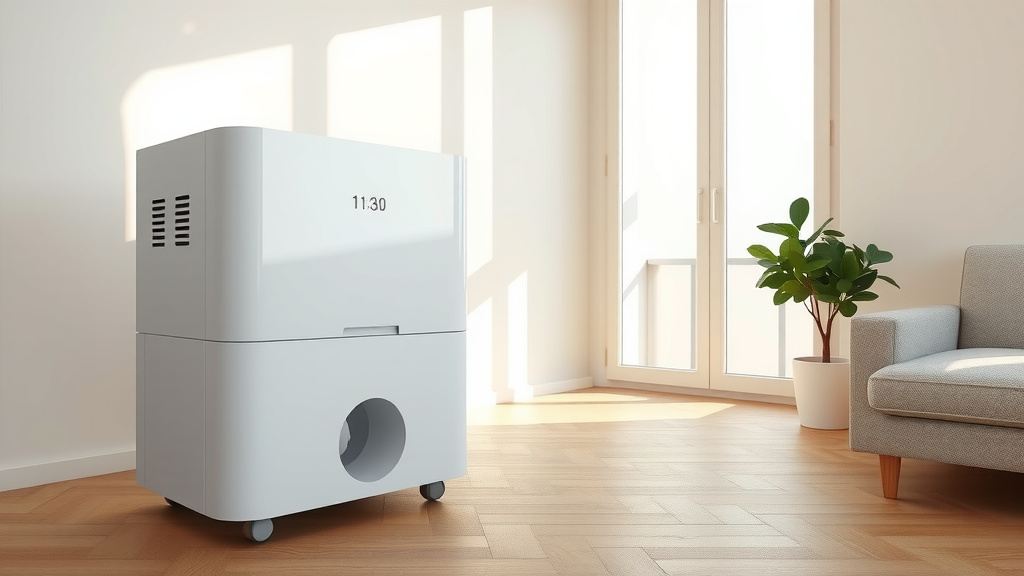
Yes, you absolutely can put a dehumidifier on a timer, and it’s a smart way to manage your home’s humidity. Many modern dehumidifiers come with built-in timers for convenience and energy saving.
Using a timer allows you to control exactly when your dehumidifier operates, helping you maintain optimal indoor air quality without constant manual adjustments. This method is particularly useful for targeting specific periods of high humidity.
Here’s a quick overview of why using a timer for your dehumidifier is a game-changer:
- You can save energy costs by running it only when needed.
- It helps you maintain consistent humidity levels, protecting your home.
- You can set it to operate during off-peak electricity hours.
- It extends the life of your dehumidifier by preventing continuous running.
- Enjoy peace of mind knowing your home is protected from moisture.
Can You Put a Dehumidifier on a Timer?
You can definitely use a timer with your dehumidifier. This method gives you precise control over when it runs.
Many dehumidifiers now include a programmable timer function right on the unit. If yours doesn’t, an external timer works just as well. It’s a great way to manage moisture and save on electricity.
Why Bother with a Timer? The Benefits Are Clear
Why would you want to put a dehumidifier on a timer? Think about it: your home’s humidity isn’t always high. Maybe it spikes after showers or during specific parts of the day. A timer lets you target these times.
Running a dehumidifier constantly can be costly. It also adds wear and tear to the machine. By using a timer, you run it only when it’s genuinely needed, maximizing efficiency and saving you money.
Energy Savings You’ll Notice
One of the biggest perks of a timer is reduced energy consumption. Imagine setting your dehumidifier to run only during the muggiest hours. That’s less time drawing power, meaning lower utility bills for you.
Many homeowners find that running their dehumidifier for just a few hours a day is enough to keep humidity in check (EPA recommends 30-50% relative humidity). A timer makes this effortless and automatic.
Extending Your Dehumidifier’s Lifespan
Just like any appliance, running your dehumidifier less frequently can help it last longer. Constant operation puts stress on its internal components. Giving it scheduled breaks can prevent premature wear.
Think of it like resting after a workout. Your dehumidifier also benefits from periods of inactivity. This simple habit can prolong its service life, saving you money on replacements.
Types of Timers You Can Use
You have a few options when it comes to timers. Each offers slightly different features and convenience. Knowing your choices helps you pick the best fit for your needs.
Built-in Dehumidifier Timers
Many newer dehumidifier models come with a timer integrated into the unit. You can usually find buttons on the control panel to set “on” and “off” times. This is the most seamless option for most users.
These timers are often simple to program. They allow you to set daily cycles or even specific schedules. It’s a convenient feature that makes humidity management simple.
External Plug-in Timers
If your dehumidifier doesn’t have a built-in timer, don’t worry! You can use an external plug-in timer. These are readily available at hardware stores and are quite affordable. They simply plug into your wall outlet, and your dehumidifier plugs into the timer.
External timers come in two main types: mechanical and digital. Both can effectively control your dehumidifier. They are a flexible solution for older models.
Smart Plugs and Home Automation
For the tech-savvy, a smart plug is an excellent choice. These connect to your Wi-Fi network and can be controlled via a smartphone app. You can set schedules, turn the unit on or off remotely, and even integrate it with other smart home devices.
Smart plugs offer the most flexibility and control. You can adjust settings from anywhere, which is perfect if your schedule changes often. It’s a modern approach to humidity control.
Setting Up Your Dehumidifier with a Timer
Setting up a timer is usually straightforward. The process varies slightly depending on the type of timer you choose. Let’s walk through the general steps to get you started.
Using a Built-in Timer
For most dehumidifiers with an integrated timer, you’ll press a “Timer” button on the control panel. Then, use arrow keys or specific time buttons to set your desired “on” and “off” times. Remember to also set your desired humidity level.
Always check your dehumidifier’s user manual for precise instructions. Each model can be a little different. Many experts say that following the manufacturer’s guide is essential for proper operation.
Connecting an External Plug-in Timer
First, plug the external timer into a wall outlet. Then, plug your dehumidifier into the timer. Next, set the timer’s schedule. This might involve pushing down tabs for mechanical timers or using buttons for digital ones. Ensure your dehumidifier is set to “on” so the timer can control its power. We found this setup is quick and effective.
| Timer Type Comparison | |
|---|---|
| Feature | Benefit for Dehumidifier Use |
| Built-in Timer | Seamless integration, easy to program directly on unit. |
| Mechanical Timer | Simple, no Wi-Fi needed, reliable for basic scheduling. |
| Digital Timer | More precise timing, multiple program settings. |
| Smart Plug | Remote control, app-based scheduling, smart home integration. |
Optimizing Your Timer Settings for Best Results
Just setting a timer isn’t enough; you want to optimize it. Think about your daily routine and your home’s specific humidity patterns. When is the air most humid? When are you home or away?
Consider running your dehumidifier during the hottest parts of the day or after activities like cooking or showering. These are often when humidity levels peak. Many guidelines point to observing your environment as a good first step (ASHRAE).
Finding the Right Humidity Level
Most experts recommend maintaining indoor relative humidity between 30% and 50%. Setting your dehumidifier to this range, combined with a timer, helps you achieve ideal conditions. Too low, and the air can feel dry; too high, and you risk mold growth.
Your dehumidifier’s humidistat will help it maintain this level. Even with a timer, the unit will cycle on and off to reach your target. This creates a comfortable and healthy atmosphere.
Considering Noise and Convenience
Dehumidifiers can be noisy. You might not want it running full blast during movie night or when you’re sleeping. A timer lets you schedule it for times when noise won’t be an issue. Perhaps during work hours or when you’re out running errands.
This consideration greatly improves your home comfort. It’s about finding that sweet spot where you get dry air without the disturbance.
Common Mistakes to Avoid with Dehumidifier Timers
While timers are fantastic, a few common pitfalls can hinder their effectiveness. Avoiding these mistakes ensures you get the most out of your setup. Let’s make sure your dehumidifier is working smarter, not harder.
- Forgetting to set the dehumidifier to “on” mode when using an external timer.
- Setting the timer for too short a duration in very humid conditions.
- Not checking the water collection bucket regularly.
- Ignoring the unit’s filters, which can reduce efficiency.
- Setting the humidity level too low, wasting energy.
Placement Matters, Even with a Timer
A timer won’t fix poor placement. Ensure your dehumidifier is in the dampest area of your home, with plenty of airflow around it. Don’t push it against a wall or put it in a closet. Proper placement helps the unit work efficiently during its timed cycles.
Think of it as giving your dehumidifier room to breathe. An unobstructed area allows it to draw in moist air and release dry air effectively. This maximizes its dehumidifying power.
Conclusion
Ultimately, putting a dehumidifier on a timer is a highly recommended practice. Whether you use a built-in feature, an external timer, or a smart plug, you’re gaining control, saving energy, and extending your appliance’s life.
By thoughtfully timing its operation, you can maintain optimal indoor humidity levels without constantly thinking about it. This approach leads to a more comfortable home and peace of mind. You’re not just drying the air; you’re managing your environment intelligently.
Can a dehumidifier be left on all the time?
You can leave a dehumidifier on all the time, but it’s often not the most efficient or cost-effective method. Running it continuously can lead to higher electricity bills and may shorten the unit’s lifespan. Most experts recommend using a humidistat or a timer to ensure it only runs when necessary to maintain your desired humidity level.
How long should a dehumidifier run in a basement?
How long a dehumidifier should run in a basement depends on the initial humidity, the size of the basement, and the unit’s capacity. Typically, it might need to run continuously for the first 24-48 hours to bring down very high humidity. After that, running it for 6-12 hours a day, or as needed to maintain 30-50% relative humidity, is usually sufficient. A built-in humidistat will automatically turn it off when the target is met.
Will a dehumidifier raise electric bill?
Yes, a dehumidifier will raise your electric bill, as it uses electricity to operate. The amount it adds depends on its wattage, how often it runs, and your local electricity rates. Using a timer or a humidistat can significantly reduce its run time and, in turn, lower its impact on your electric bill. It’s an investment for air quality, but smart usage keeps costs down.
Should I turn off my dehumidifier when not home?
You don’t necessarily have to turn off your dehumidifier when you’re not home, especially if you have it set with a timer or a humidistat. These features ensure it only runs when needed to maintain humidity. If you’re going away for an extended period, it’s wise to empty the water collection bucket and ensure the drain hose is working properly, or simply turn it off for peace of mind.
Does turning a dehumidifier on and off frequently damage it?
No, turning a dehumidifier on and off frequently, especially via a timer or its internal humidistat, is generally not damaging. Modern units are designed to cycle on and off as needed. In fact, scheduled breaks can reduce continuous wear and potentially extend the unit’s overall lifespan compared to running it non-stop. This is a common and safe way to operate the appliance.
