
Can You Put Vinegar in a Dehumidifier?
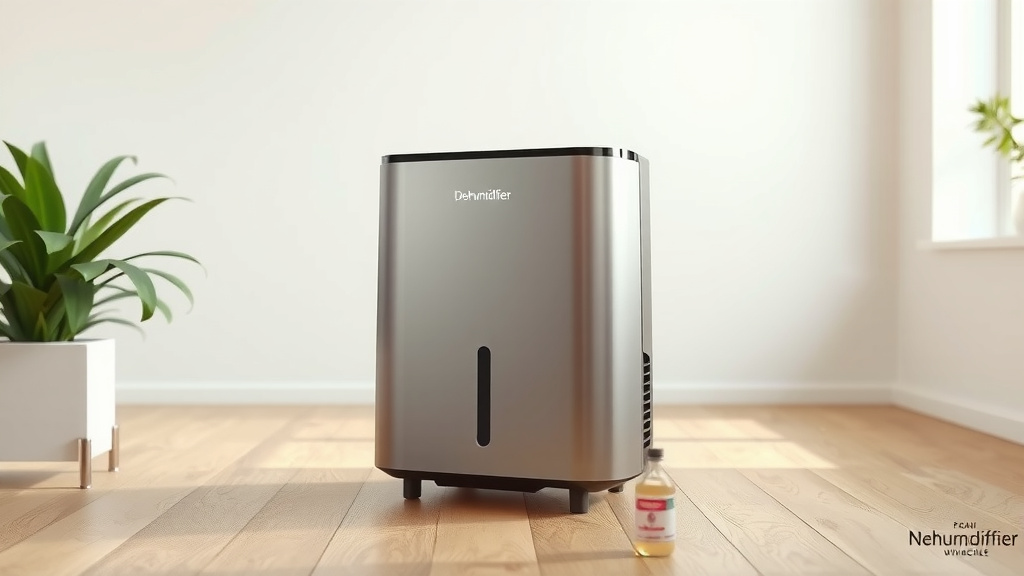
No, you should not put vinegar directly into the water tank or internal mechanisms of your dehumidifier. While vinegar is a great cleaning agent, it can corrode internal components, void your warranty, and potentially damage your appliance.
Using vinegar to clean the exterior, the collection bucket, or stubborn mold on removable parts is generally safe, but always dilute it and avoid contact with electrical components.
Here’s a quick look at what you need to know about vinegar and your dehumidifier:
- Vinegar can damage sensitive internal parts.
- It might void your appliance’s warranty.
- Always clean the water bucket separately.
- Diluted vinegar is good for exterior wiping.
- Regular cleaning prevents mold without harsh chemicals.
Can You Put Vinegar in a Dehumidifier?
Generally, it’s not a good idea to put vinegar inside your dehumidifier’s working parts. The acids can harm its delicate systems. This simple rule helps keep your unit running well.
Why Vinegar and Dehumidifiers Don’t Mix Internally
You might think vinegar, a natural cleaner, would be perfect for your appliance. However, the internal components of a dehumidifier, like sensors and coils, are not designed for acidic substances. Over time, vinegar can cause corrosion or wear.
Research shows that many appliance manufacturers specifically advise against using abrasive or acidic cleaners internally (Consumer Reports). This guidance helps protect your investment.
The Risk of Internal Damage
Think of your dehumidifier’s insides like a car engine. You wouldn’t pour orange juice into your gas tank, right? Similarly, acidic vinegar can slowly eat away at metal parts or rubber seals. This leads to leaks and breakdowns you want to avoid.
Voiding Your Warranty
This is a big one. Most manufacturers clearly state that using unapproved cleaning solutions can void your warranty. If your unit breaks down after you’ve used vinegar internally, you might be stuck paying for repairs yourself. Always check your owner’s manual first.
Safe Ways to Use Vinegar Around Your Dehumidifier
While direct internal application is a no-go, vinegar still has a place in your dehumidifier cleaning routine. It’s great for fighting mold and mildew on external surfaces and the water collection bucket. Just be mindful of how and where you use it.
Cleaning the Water Collection Bucket
This is where mold and mildew love to grow. You can absolutely use a diluted vinegar solution to clean your dehumidifier’s bucket. It’s a fantastic, natural disinfectant. Just remove the bucket and clean it separately from the main unit.
Mix equal parts white vinegar and water. Scrub the bucket thoroughly, paying attention to corners and crevices. Rinse it several times with clean water afterward. Make sure no vinegar residue remains before you put it back.
Wiping Down the Exterior
Dust and grime collect on the outside of your dehumidifier. A cloth dampened with diluted vinegar can effectively clean these surfaces. Always avoid spraying directly onto the unit. Also, be careful to keep liquids away from control panels and air vents to prevent electrical issues.
When to Use Other Cleaning Solutions
Sometimes, vinegar isn’t the best choice. For very stubborn mold or specific cleaning needs, other products might be better. Always prioritize solutions recommended by the manufacturer or those labeled as safe for appliances.
Specialized Dehumidifier Cleaners
Some companies make cleaning solutions specifically for appliances like dehumidifiers. These are often designed to be gentle on internal parts while still effective against mold and bacteria. We found that these can offer peace of mind (Good Housekeeping Institute).
Bleach vs. Vinegar: A Quick Comparison
Many people wonder about bleach. Like vinegar, bleach should never go inside your dehumidifier. It’s very corrosive and can release harsh fumes. For external, tough mold, a highly diluted bleach solution (e.g., 1 part bleach to 10 parts water) might be used on the bucket only, followed by extensive rinsing.
| Cleaning Method | Dehumidifier Internal Use | Dehumidifier External/Bucket Use | Considerations |
|---|---|---|---|
| White Vinegar (undiluted) | No (Corrosion risk) | Yes (Diluted) | Natural disinfectant, safe for many surfaces when diluted. |
| White Vinegar (diluted 1:1) | No | Yes | Excellent for mold/mildew in bucket and exterior wiping. |
| Bleach (undiluted) | Definitely No (Corrosive, toxic fumes) | No (Dilute heavily for tough mold on bucket only) | Very strong, requires extreme caution and ventilation. |
| Mild Soap and Water | No (Unless specified for coils) | Yes | Gentle, good for general cleaning of surfaces. |
Maintaining Your Dehumidifier: Beyond Cleaning
Cleaning is just one part of keeping your dehumidifier healthy. Regular maintenance ensures it runs efficiently and lasts longer. Think of it as preventative care for your appliance.
Regular Filter Cleaning
Your dehumidifier’s air filter is its lungs. It traps dust, pet dander, and other particles. A dirty filter makes your unit work harder, using more energy and potentially shortening its lifespan. We recommend cleaning or replacing the filter every few weeks, depending on use. You can typically just rinse it with warm water (Energy Star).
Emptying the Water Bucket Promptly
Don’t let water sit in the bucket for too long. Stagnant water is a breeding ground for mold, bacteria, and even mosquitoes. Emptying it regularly prevents these issues and keeps your indoor air healthier. Some models have a continuous drain option, which is very convenient.
Checking for Ice Buildup
If your dehumidifier starts to ice up on the coils, it’s a sign of trouble. This often means the room is too cold for the unit, or the filter is extremely dirty. Most units have an auto-defrost, but persistent icing means you need to investigate the cause. Turn it off and let it thaw completely before troubleshooting.
The Benefits of a Well-Maintained Dehumidifier
A little care goes a long way. Keeping your dehumidifier clean and properly maintained offers many advantages. You’ll notice the difference in your home’s air quality and your energy bills.
Improved Air Quality
By removing excess moisture, dehumidifiers prevent mold, mildew, and dust mites. These are common allergens and irritants. A well-functioning unit helps keep the air feeling fresh and clean, which is great for everyone, especially those with allergies or asthma.
Energy Efficiency
When your dehumidifier is clean, especially its filter, it doesn’t have to work as hard. This means it uses less electricity to achieve the same results. Keeping it clean can lead to noticeable savings on your utility bills over time.
Extended Lifespan
Just like any appliance, regular care helps it last longer. Preventing corrosion, keeping parts clean, and avoiding undue stress means your dehumidifier will serve you faithfully for many years. It’s a small effort for a big reward.
Your Dehumidifier Cleaning Checklist:
- Read the Manual: Always start here for specific manufacturer advice.
- Unplug First: Safety always comes first before any cleaning.
- Empty and Clean Bucket: Use diluted vinegar or mild soap, rinse thoroughly.
- Clean Air Filter: Rinse with warm water, let dry completely.
- Wipe Exterior: Use a damp cloth with diluted vinegar, avoid vents.
- Check Coils: Gently brush off any dust if accessible, do not spray.
Conclusion
While vinegar is a fantastic, natural cleaner for many household tasks, it’s generally best kept away from the internal parts of your dehumidifier. Using it to clean the removable water bucket or to wipe down the exterior is safe and effective. However, for the delicate inner workings, stick to manufacturer guidelines or specialized cleaners. A little common sense and regular maintenance will ensure your dehumidifier runs efficiently, improves your home’s air quality, and lasts for years to come. Your appliance, and your lungs, will thank you!
Can I use a commercial dehumidifier cleaner?
Yes, many commercial dehumidifier cleaners are specifically formulated to be safe for internal components. Always read the product label and your dehumidifier’s manual to ensure compatibility and proper usage. These are often a safer bet than unapproved household solutions.
How often should I clean my dehumidifier’s water bucket?
You should aim to clean the water bucket at least once a month, or more frequently if you notice any mold growth or if your environment is particularly humid. Regular cleaning prevents odors and the buildup of unhealthy microorganisms.
What are the signs that my dehumidifier needs cleaning?
Common signs include a musty odor coming from the unit, visible mold or mildew inside the bucket, reduced efficiency (it’s collecting less water than usual), or increased noise. A dirty filter also points to a need for a good clean.
Can dirty coils affect dehumidifier performance?
Absolutely. Dirty coils reduce the dehumidifier’s ability to extract moisture from the air. This forces the unit to work harder, consuming more energy and leading to less effective dehumidification. Keeping them clean is vital for optimal performance.
Is it okay to put essential oils in my dehumidifier to make the room smell better?
No, you should not put essential oils directly into your dehumidifier. Like vinegar, essential oils can degrade plastic components, clog internal parts, and leave sticky residues. They can also void your warranty. If you want to diffuse scents, use a separate diffuser.
