
Can You Recharge a Dehumidifier?
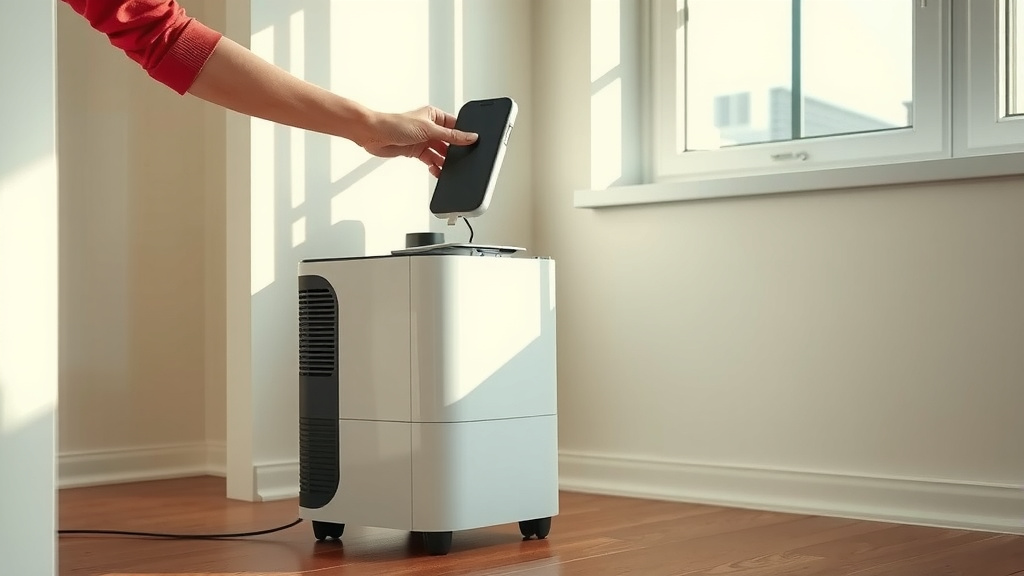
No, you generally cannot recharge a dehumidifier in the way you might an air conditioner or refrigerator with refrigerant.
Most common household dehumidifiers operate without needing their internal components, like refrigerant, to be refilled or recharged.
Here’s the quick rundown if you’re short on time:
- Most household dehumidifiers don’t use refrigerant that needs refilling.
- They extract moisture through cooling coils or absorbent materials, then release it as water.
- Maintenance involves cleaning filters, emptying water, and checking for frost.
- If yours stops working, it’s usually a component failure, not a lack of “charge.”
- You can’t “recharge” a dehumidifier; you maintain or repair it.
Can You Recharge a Dehumidifier?
The short answer is a clear no, you cannot recharge a dehumidifier like you would a car battery or an empty soda can. Many people wonder if their dehumidifier needs a refrigerant top-up, much like an air conditioner.
However, residential dehumidifiers are designed to function continuously without needing such a “recharge” of any internal substance. They simply keep working as long as their parts are sound.
Why the Confusion About “Recharging”?
It’s easy to get confused! Appliances like air conditioners or refrigerators do use refrigerants that can sometimes leak and require recharging. This common knowledge often leads people to assume their dehumidifier works the same way.
But a dehumidifier has a different operational cycle, even if it uses similar components. It focuses solely on removing humidity, not changing room temperature drastically.
How Does a Dehumidifier Actually Work?
Imagine your dehumidifier as a tiny cloud-making machine, but in reverse. It draws moist air from your room over a set of cold coils.
As the warm, damp air touches these cold surfaces, the moisture condenses into water droplets. These droplets then fall into a collection bucket, leaving drier air to be released back into your space.
Two Main Types: Refrigerant vs. Desiccant
Understanding the two main types helps clarify the “recharge” question. Most household units are either refrigerant (compressor-based) or desiccant dehumidifiers.
Both types remove moisture effectively, but they go about it in slightly different ways. Neither type requires a “recharge” of their core working fluid or material in the user’s typical maintenance.
Refrigerant Dehumidifiers: No Refills Here!
The most common type you’ll find relies on a refrigeration cycle. It uses a compressor and coils to cool the air, similar to a refrigerator.
This system uses a sealed loop of refrigerant. It is not designed to be opened or refilled by the user. If this sealed system fails, you usually need a professional repair or a new unit.
Desiccant Dehumidifiers: Absorbing the Moisture
Desiccant dehumidifiers use a special material that absorbs moisture directly from the air. Think of it like a super-thirsty sponge.
This material is then heated to release the absorbed water into a collection tank. The desiccant material itself is not consumed or “recharged” by you; it just cycles through absorption and drying.
The Truth About Refrigerant in Dehumidifiers
While refrigerant dehumidifiers do contain refrigerant gas, it’s in a permanently sealed system. This means it shouldn’t leak or need refilling under normal operation.
If you suspect a refrigerant leak, it’s a serious problem that usually means a major repair or replacement is needed. It’s not a simple recharge you can do yourself.
What Your Dehumidifier Truly Needs: Regular Care
Instead of recharging, your dehumidifier thrives on regular care and attention. This upkeep ensures it runs efficiently and lasts longer, keeping your home comfortable.
Treating it well means you won’t have to think about “recharging” anything. It’s all about proactive maintenance, not reactive refilling.
Essential Dehumidifier Maintenance Checklist:
- Clean or replace the air filter regularly.
- Empty the water bucket when it gets full.
- Clean the water bucket and reservoir to prevent mold growth.
- Check the coils for dust or ice buildup.
- Ensure the area around the unit has good airflow.
Signs Your Dehumidifier Needs Attention (Not a Recharge)
Is your unit struggling? You might notice it’s not collecting as much water or the humidity isn’t dropping. These are signs of a problem, but not a “recharge” issue.
Other indicators include unusual noises, a lack of cool air being exhausted, or ice forming on the coils. We found that these issues usually point to mechanical problems or poor maintenance (EPA).
When to Call a Professional for Help
If your dehumidifier isn’t working as it should, and simple cleaning doesn’t fix it, it might be time for an expert. For example, if you see ice on the coils, it could be a refrigeration system issue.
Many experts say that if the unit is older or the repair cost is high, replacing the unit might be more cost-effective. Replacing a whole unit is often simpler than complex internal repairs (Consumer Reports).
DIY Fixes vs. Professional Repair
You can certainly handle routine tasks like cleaning filters and emptying the bucket. These are perfect DIY jobs.
However, anything involving the sealed refrigeration system or electrical components should be left to certified technicians. Tampering with these can be dangerous and costly.
Maximizing Your Dehumidifier’s Lifespan
To get the most out of your dehumidifier, placement matters. Keep it away from walls and obstructions to allow for proper airflow.
Also, don’t set the humidity level too low. Aim for a comfortable 40-50% relative humidity; pushing it lower makes the unit work harder than necessary.
Dehumidifier Types at a Glance
To help you see the differences, here’s a quick comparison of the two main types:
| Feature | Refrigerant (Compressor) | Desiccant |
|---|---|---|
| How it works | Cools air to condense moisture | Absorbs moisture with special material |
| Best for | Warmer, humid environments | Colder environments, lower humidity |
| Recharge needed? | No (sealed system) | No (material re-dries itself) |
| Typical noise level | Moderate (compressor hum) | Quieter (fan noise) |
Conclusion
In summary, while the idea of “recharging” a dehumidifier might cross your mind, it’s generally not something you’ll ever need to do. These appliances are self-contained systems designed for hassle-free operation.
Instead of searching for a refill kit, focus on consistent maintenance like cleaning and proper placement. This simple care will keep your dehumidifier running smoothly and your home comfortably dry for years to come. If real problems arise, it’s usually a repair or replacement, not a recharge.
Frequently Asked Questions
What happens if a dehumidifier runs out of refrigerant?
If a refrigerant dehumidifier runs out of refrigerant, it means there’s a leak in its sealed system. The unit will stop collecting water because the coils won’t get cold enough to condense moisture. This isn’t a simple fix; it requires professional repair or replacement.
How often should I clean my dehumidifier’s filter?
We recommend cleaning your dehumidifier’s filter every two to four weeks, depending on how often it runs and the dustiness of your environment. A clean filter ensures optimal airflow and efficiency.
Can I use a dehumidifier in a very cold room?
You can, but it depends on the type. Refrigerant dehumidifiers struggle in cold rooms (below 60°F/15°C) as coils can ice up. Desiccant dehumidifiers perform much better in cooler temperatures because they don’t rely on cooling for moisture removal.
Is it normal for a dehumidifier to produce warm air?
Yes, it’s completely normal for your dehumidifier to release slightly warmer air. The process of converting moist air into water generates a small amount of heat as a byproduct. This is part of its regular operation and not a sign of a problem.
How do I dispose of an old dehumidifier?
Because dehumidifiers contain refrigerants (even in sealed systems), they need special disposal. You should contact your local waste management facility or recycling center. They can provide guidance on proper disposal to prevent environmental harm.
