
Can You Repair a Dehumidifier?
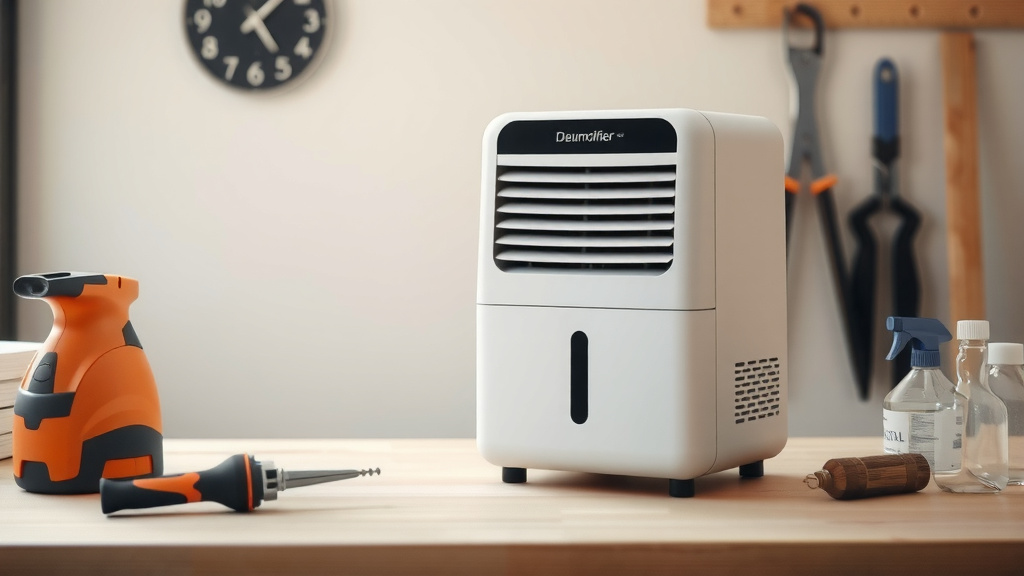
Yes, many common dehumidifier issues are fixable, often with simple DIY steps or a professional repair. If your unit isn’t draining or collecting water, a dehumidifier repair might save you from buying a new one.
- You can often fix a dehumidifier yourself for minor problems like a full bucket or dirty filter.
- More complex issues, such as refrigerant leaks or compressor failures, usually need a professional.
- Before buying a new unit, always check the basic components and troubleshoot common glitches.
- Knowing when to repair versus replace depends on the unit’s age, cost of repair, and warranty status.
Can You Repair a Dehumidifier?
Absolutely! When your dehumidifier starts acting up, your first thought might be to replace it. But hold on a moment! Many common issues are quite repairable, saving you both money and hassle.
You can often bring your unit back to life with a bit of troubleshooting. It just takes understanding the problem and knowing your limits.
When Should You Attempt Dehumidifier Repair?
If your dehumidifier is less than five years old, repair is often a good option. We found that newer units usually have parts readily available. This makes fixing them much more straightforward.
You should consider repair if the problem seems minor. For example, if it’s not collecting water, but the motor is still humming. This might indicate a simple fix.
Common Dehumidifier Problems You Might See
Dehumidifiers are workhorses, but they do encounter issues. You might recognize some of these familiar complaints. Knowing them helps you decide on the next step.
The Unit Won’t Turn On
This is a classic head-scratcher. You plug it in, press the button, and nothing happens. It’s often not a serious internal problem at all.
This could be a simple electrical issue. You might have a tripped breaker or a loose plug connection.
No Water Collection
This is probably the most frustrating problem. Your unit is running, but the bucket stays dry. It feels like it’s doing nothing, doesn’t it?
This can point to a few different causes. It might be a dirty filter or even a faulty humidistat.
Constant Running But No Dehumidification
Sometimes, your unit runs all the time but doesn’t lower the humidity. It’s like it’s trying hard but not getting results. This is a common complaint we hear.
This often means the coils are dirty or blocked. Or perhaps the room is too cold for proper operation. Most dehumidifiers work best above 65°F (Energy Star).
Loud Noises or Vibrations
Is your dehumidifier suddenly sounding like a spaceship? Strange noises can be alarming. You might hear clunking, rattling, or a high-pitched whine.
These sounds often point to a fan issue. It could also mean a loose component inside the machine.
Frost on the Coils
Seeing frost on the coils is a clear sign something is off. It looks pretty, but it means your dehumidifier isn’t working correctly. This happens in certain conditions.
Often, this occurs when the room temperature is too low. Or perhaps the fan isn’t moving air properly over the coils.
DIY Troubleshooting Steps
Before calling for help, empower yourself with some simple checks. You’d be surprised how often these quick steps solve the problem. Let’s walk through them together.
Check the Power First
Always start with the basics. Is your unit plugged in? Is the outlet working? Try plugging another appliance into the same socket. This helps you rule out a simple power issue.
Also, check your home’s circuit breaker. Sometimes, a dehumidifier can trip a breaker, especially if it’s on a shared circuit.
Clean Your Air Filter
A dirty air filter is a common culprit for many issues. It restricts airflow, making your unit work harder. It can stop collecting water or even cause frost on the coils.
Most filters slide out easily. You can usually clean them with warm, soapy water or a vacuum cleaner. Research often connects regular filter cleaning to better performance (Consumer Reports).
Empty and Re-seat the Water Bucket
Many dehumidifiers have a safety switch. If the water bucket is full or not seated properly, the unit won’t run. This is a very simple fix you can do right away.
Take the bucket out, empty it completely, and put it back firmly. Make sure it clicks into place. Sometimes, a tiny bit of misalignment is all it takes.
Inspect the Drain Hose (if applicable)
If your dehumidifier uses a continuous drain hose, check it. Is it kinked? Is it clogged with debris? A blocked hose prevents proper draining. You will likely see no water in the bucket.
Ensure the hose slopes downwards. There shouldn’t be any upward loops. This allows gravity to do its job.
When to Call a Professional for Repair
Sometimes, DIY just isn’t enough. You’ve tried everything, but the problem persists. That’s when it’s time to bring in the experts. Don’t feel bad about it; some issues truly need specialized tools.
If your unit has a refrigerant leak, for example, you’ll need a certified technician. Handling refrigerants requires special training and equipment. It’s not something you should try at home.
Also, if the compressor is failing, that’s a big job. A compressor replacement can be quite costly. Many experts say that if a major component like this fails, it might be time to weigh repair against replacement.
Knowing When to Replace Your Dehumidifier
There comes a point where repair might not be the smartest choice. It’s like an old car; at some point, repairs cost more than a new one. How do you know when you’ve reached that point?
Consider the age of your unit. Dehumidifiers usually last 5-10 years. If yours is at the higher end of that, a costly repair might not be worth it.
Think about the cost of the repair versus a new unit. If the repair bill is more than half the price of a new, comparable model, replacement often makes more sense.
DIY Repair vs. Professional Service
Deciding between fixing it yourself or hiring a pro can be tough. Here’s a quick look to help you decide what’s best for your situation. You want to make the most sensible choice.
| Factor | DIY Repair | Professional Service |
|---|---|---|
| Cost | Potentially low (parts only) | Higher (labor + parts) |
| Complexity | Best for simple issues | Handles complex problems |
| Tools Needed | Basic household tools | Specialized diagnostic equipment |
| Time | Your own time commitment | Scheduled appointment |
| Warranty | May void existing warranty | Often provides a repair warranty |
Essential Maintenance for Longer Life
Preventative care is your best friend for any appliance. A well-maintained dehumidifier runs better and lasts longer. You can avoid many common issues with just a little effort.
Think of it like brushing your teeth; a little daily care prevents bigger problems. Here’s a quick checklist for you:
- Clean the air filter regularly, usually every 2-4 weeks.
- Empty the water bucket promptly and clean it occasionally to prevent mold.
- Wipe down the exterior to keep dust from entering the unit.
- Check drainage hoses for kinks or blockages if you use continuous drain.
- Store the unit properly in a dry, temperate place during off-seasons.
- Ensure adequate airflow around the dehumidifier.
Conclusion
Repairing your dehumidifier is often a smart move. You can save money and extend the life of your appliance. Many common problems have straightforward solutions. Start with simple troubleshooting steps yourself.
However, know when to call in a professional. Some issues are simply too complex or risky for DIY. By making informed decisions, you keep your home’s air quality comfortable and your wallet happier.
What is the average lifespan of a dehumidifier?
The average lifespan of a dehumidifier is typically between 5 and 10 years. This can vary based on usage, brand quality, and how well you maintain the unit. Regular cleaning and proper storage can help extend its life.
Can a dehumidifier be repaired if it has a refrigerant leak?
Yes, a dehumidifier with a refrigerant leak can be repaired, but this job requires a certified HVAC technician. Refrigerant handling is specialized and not a DIY task due to environmental and safety regulations. You shouldn’t try to fix this yourself.
Is it worth repairing an old dehumidifier?
Whether it’s worth repairing an old dehumidifier depends on its age and the cost of the repair. If the unit is nearing or past its typical lifespan and the repair cost is more than 50% of a new model’s price, replacement might be more economical in the long run.
How much does it cost to have a dehumidifier professionally repaired?
The cost of professional dehumidifier repair varies widely depending on the issue, parts needed, and labor rates in your area. Minor repairs might be a couple of hundred dollars, while major component replacements could approach the cost of a new unit. Always get a quote first.
What are common signs that a dehumidifier’s compressor is failing?
Common signs of a failing compressor include the unit running but not collecting water, making loud buzzing or clicking noises, or simply not turning on at all. The coils might also not feel cold when the unit is running. These issues usually require professional diagnosis.
