
Can You Reuse Water from a Dehumidifier?
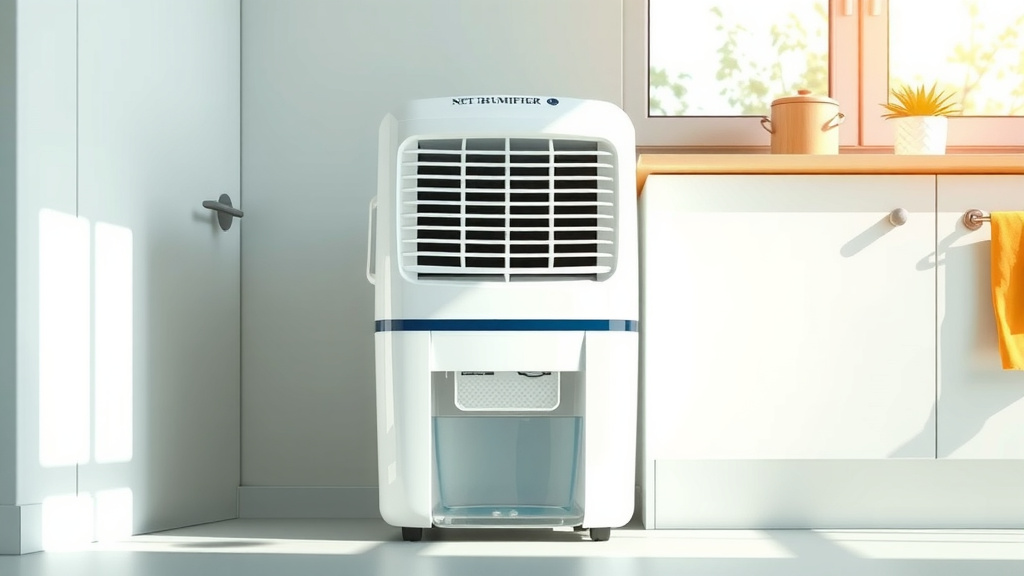
Yes, you absolutely can reuse water from a dehumidifier for many non-potable purposes around your home. It’s essentially distilled water, making it suitable for tasks like watering plants or cleaning.
However, you should never drink dehumidifier water or use it for cooking, as it can contain contaminants not visible to the naked eye. Prioritizing safety is key.
- Dehumidifier water is like distilled water, great for non-drinking uses.
- Avoid consuming it; it might contain airborne dust, mold spores, or bacteria.
- Good for plants, cleaning floors, windows, and steam irons.
- Never give it to pets or use it in fish tanks due to potential impurities.
- Store collected water in clean, covered containers to prevent contamination.
Can You Reuse Water from a Dehumidifier?
You might be surprised to learn that the water your dehumidifier collects has some real value. It’s essentially condensate, a form of distilled water. This means it’s free from minerals but not necessarily free from all impurities, like bacteria or dust. So, yes, you can reuse it, but with some very important limitations.
What Exactly is Dehumidifier Water?
Think of it as nature’s way of creating pure water, but with an indoor twist. Your dehumidifier pulls moisture from the air, condenses it, and collects it. This process removes dissolved minerals, much like distillation. This gives you water that’s soft and scale-free, making it quite useful for certain household tasks.
Is Dehumidifier Water Safe for Drinking?
Absolutely not. We found that despite its mineral-free nature, dehumidifier water is not safe for human or animal consumption (CDC). As the air passes through your machine, it picks up tiny particles. This includes dust, mold spores, bacteria, and even traces of metals from the dehumidifier’s internal components. You wouldn’t want those in your morning coffee, would you?
Everyday Uses for Dehumidifier Water
Okay, so you can’t drink it. But don’t pour it down the drain just yet! This water is a true household hero for a variety of chores. You’ll be amazed at how many ways you can put this otherwise wasted resource to good use. Many people find these uses to be surprisingly practical.
Watering Your Plants and Garden
Many plant lovers cheer for dehumidifier water. Because it lacks minerals and chlorine, it’s gentle on your green friends. It won’t cause the mineral buildup that tap water sometimes leaves, which can harm sensitive plants. It’s like giving your plants a spa treatment!
Indoor Plants vs. Outdoor Gardens
For your indoor plants, dehumidifier water is often ideal. For outdoor gardens, especially larger ones, you might not collect enough to make a huge difference. However, it’s still perfect for delicate seedlings or plants that prefer less mineral content in their soil.
Cleaning Around the House
This mineral-free water is a cleaner’s dream. It leaves no streaks or water spots, which is a common complaint with tap water. Imagine spotless surfaces without extra scrubbing! It truly helps make your cleaning routine easier.
Floors, Windows, and Appliances
Use it in your spray bottle for streak-free windows and mirrors. It’s fantastic for mopping floors, ensuring they dry without dulling residue. Even wiping down stainless steel appliances will yield better results. You’ll notice a shine that lasts.
Perfect for Your Iron and Steamer
Tired of white mineral flakes coming out of your iron? Dehumidifier water is your answer. Because it’s free of minerals, it prevents limescale buildup inside your appliances. This extends their lifespan and keeps them working efficiently. Your clothes will thank you for this pure, clean steam.
Here’s a quick list of great uses for your collected water:
- Watering houseplants
- Mopping floors
- Washing windows and mirrors
- Filling steam irons
- Rinsing vehicles (prevents water spots)
- Flushing toilets (pour directly into the bowl)
Where You Should NEVER Use Dehumidifier Water
While we’ve highlighted many great uses, it’s equally important to know the absolute no-gos. Misusing this water can lead to health risks or other problems. Always remember, the rule of thumb is: if it goes in your body or directly impacts health, avoid it.
No, Not for Your Pets or Fish
It might seem harmless, but giving dehumidifier water to your pets is a bad idea. Just like humans, animals can be affected by the microscopic contaminants it might carry. The same goes for fish tanks. Fish are incredibly sensitive to water quality, and this water can introduce bacteria or fungi, harming your aquatic friends. Keep their water fresh and clean from a trusted source.
Avoid Cooking or Drinking It
We’ve said it before, but it bears repeating: do not drink or cook with this water. You wouldn’t scoop water off your window sill after a humid day and drink it, would you? Dehumidifier water is similar. It’s passed through a machine that collects dust, pollen, and other airborne particulates. These can be harmful if ingested. Stick to filtered or tap water for anything you consume; it’s the safest option always.
The Science Behind Dehumidifier Water Quality
Understanding why dehumidifier water isn’t perfectly pure helps you make smarter choices. It’s not just about what’s in the air, but also about the machine itself. Your dehumidifier isn’t a water purifier; it’s an air dryer. It’s a simple process that collects moisture.
Why Contaminants Are a Concern
As air is pulled into the dehumidifier, it carries airborne particles. Mold spores, bacteria, pet dander, and dust settle into the collected water. Over time, these can multiply in the water reservoir if not cleaned regularly. Furthermore, trace amounts of metals or plastics from the unit’s internal parts can leach into the water. This combination creates a non-potable liquid that needs careful handling. We found that regular cleaning of your dehumidifier helps, but doesn’t sterilize the water (NIH).
Smart Storage Tips for Dehumidifier Water
If you plan to reuse the water, proper storage is essential to prevent it from becoming even more contaminated. You want to keep it as clean as possible for its intended uses. A little effort here goes a long way in maintaining its utility.
Keep It Clean and Covered
Always transfer the collected water to a clean container with a tight-fitting lid. This prevents new dust or airborne particles from falling in. Store it in a cool, dark place to deter any potential microbial growth. Try to use the water within a day or two; don’t let it sit for weeks. It’s best to use it fairly quickly.
Making a Small Environmental Impact
Reusing dehumidifier water is a fantastic way to be a little more eco-friendly. Instead of simply draining gallons of water, you’re giving it a second life. This reduces your overall water consumption, even if it’s just a small amount. Every drop saved helps! It’s a simple habit that contributes to resource conservation.
| Dehumidifier Water Use | Benefits / Risks | Recommendation |
|---|---|---|
| Drinking/Cooking | High risk of contaminants | Never do this |
| Watering Plants | Mineral-free, good for plants | Recommended |
| Cleaning Surfaces | No streaks, prevents spots | Recommended |
| Iron/Steamer | Prevents limescale buildup | Recommended |
| Pets/Fish Tanks | Risk of introducing bacteria | Avoid this |
Here’s a small checklist before you reuse your dehumidifier water:
- Is the water clear, or does it look cloudy?
- Have you cleaned your dehumidifier recently?
- Are you using a clean, covered container for storage?
- Is the intended use non-potable?
- Will you use it within a day or two of collection?
Conclusion
So, can you reuse water from a dehumidifier? The answer is a resounding yes, but with clear boundaries. It’s a valuable resource for many household tasks, helping you water plants without mineral buildup, clean surfaces without streaks, and protect your steam appliances from limescale. The key takeaway is simple: it’s great for tasks where purity from minerals is desired, but absolutely not for ingestion by humans or animals. By understanding its limitations, you can safely and effectively repurpose this otherwise discarded water, making a small yet meaningful impact on your home and environment. Remember to keep it clean and use it wisely to enjoy its benefits.
Can dehumidifier water be used for car batteries?
Some sources suggest using it for topping off car batteries because it’s mineral-free. However, many experts advise against this due to the potential for unseen contaminants like mold spores or metallic particles from the dehumidifier’s coils. For car batteries, using specific distilled water from a store is the safer choice to avoid damage. It’s better to be safe when it comes to vehicle maintenance.
Is dehumidifier water good for gardening?
Yes, dehumidifier water is generally good for gardening, especially for houseplants or delicate outdoor plants. Its lack of minerals means it won’t contribute to salt buildup in the soil, which can be detrimental over time. Just ensure the water appears clean and isn’t stored for too long to prevent algal growth.
How long can you store dehumidifier water?
You should ideally use dehumidifier water within a few days of collection. Even if stored in a clean, covered container, over time it can start to grow bacteria or algae. The longer it sits, the higher the chance of microbial growth, making it less suitable even for non-potable uses.
Can I clean my humidifier with dehumidifier water?
Yes, you can use dehumidifier water to clean your humidifier. Since it’s free of minerals, it helps prevent limescale buildup in your humidifier, which is a common problem with tap water. This can extend the life of your humidifier and help it run more efficiently, as mineral deposits can clog the unit.
What should I do if my dehumidifier water looks cloudy?
If your dehumidifier water looks cloudy, discolored, or has an unpleasant odor, you should absolutely not reuse it. This indicates a high level of contamination, likely from bacteria, mold, or accumulated dust. It’s best to discard this water immediately and thoroughly clean your dehumidifier’s reservoir and internal components. Cloudy water is a clear sign to avoid use.
