Can You Run Two Dehumidifiers in Basement?
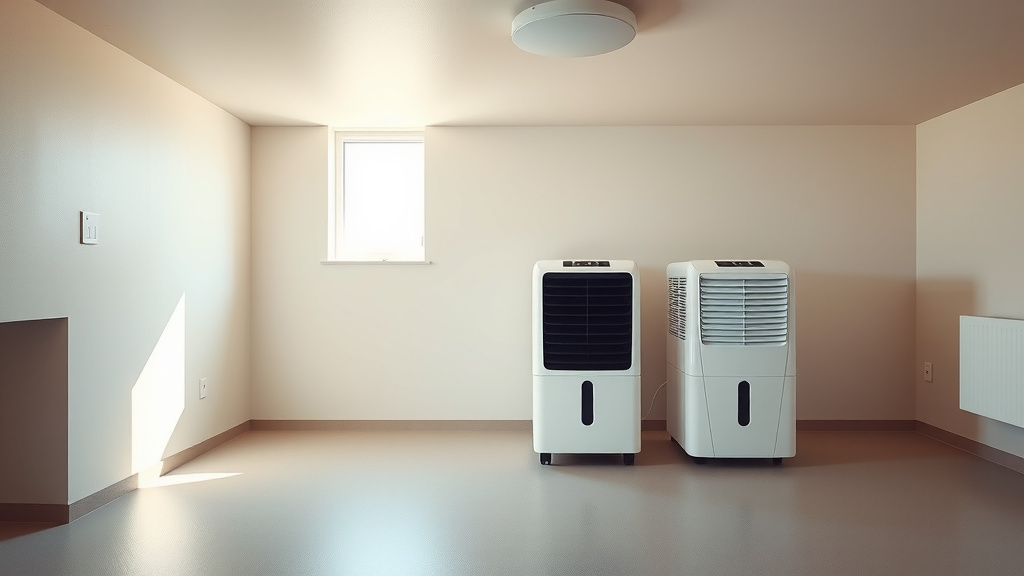
Yes, you can absolutely run two dehumidifiers in your basement, and it often provides a more effective and efficient solution for controlling humidity in larger or very damp spaces.
Many homeowners choose to run two dehumidifiers to improve coverage, accelerate drying times, or handle persistent moisture issues that a single unit might struggle with alone.
Here’s the quick take on using two dehumidifiers:
- Two dehumidifiers can significantly improve humidity control in large or very damp basements.
- They help achieve your target humidity level faster and more evenly across the entire space.
- Proper placement is key to their effectiveness, often in opposite corners or problem zones.
- Consider energy costs and ensure your electrical circuits can handle the increased load.
- It’s a practical solution when a single unit is undersized or struggles with persistent dampness.
Can You Run Two Dehumidifiers in Basement?
Running two dehumidifiers in your basement is not only possible but can be a highly effective strategy. It helps manage high humidity levels that a single unit might struggle to control efficiently.
This approach often leads to a more balanced environment, ensuring better air quality and comfort throughout your entire basement area.
Why Consider Two Dehumidifiers?
Sometimes, one dehumidifier simply isn’t enough to tackle the moisture in a large or particularly damp basement. Think of it like trying to cool a big house with one small air conditioner; it just won’t cut it.
We found that basements over 1,500 square feet, or those with significant water problems, often benefit from a dual setup (Energy Star).
Faster Humidity Reduction
When you have a very humid basement, getting the moisture out quickly can be important. Two units working together can extract water much faster than a single machine.
This speed helps prevent mold growth and protects your belongings from long-term moisture damage more effectively.
Improved Coverage and Evenness
Basements are often oddly shaped, with many walls and obstacles. A single dehumidifier might only dry the air effectively in its immediate vicinity.
By using two units, you can place them strategically to cover more ground, ensuring humidity levels are consistent across the entire space. It’s like having two chefs in a large kitchen, preparing food in different areas.
Less Strain on Individual Units
Running one dehumidifier constantly at its maximum setting can shorten its lifespan and increase wear and tear. Two units can share the workload, often running at lower, more efficient settings.
This can lead to greater longevity for both machines and potentially lower overall maintenance costs over time.
When is a Second Dehumidifier a Smart Move?
Not every basement needs two units. But if you’re seeing condensation, smelling musty odors, or if your current unit runs non-stop, adding a second one might be the answer.
Consider it if your basement is consistently above 60% relative humidity, even with your existing dehumidifier on.
Key Considerations Before Adding a Second Unit
While often beneficial, running two dehumidifiers does come with some important factors to think about. It’s not just about plugging in another machine.
You need to weigh the pros and cons to ensure it’s the right decision for your home and budget.
Energy Consumption and Costs
Two dehumidifiers will naturally use more electricity than one. While they might run for shorter periods individually, the combined energy draw can be higher.
Check the Energy Star rating of each unit. Efficient models can help offset some of the increased costs (Energy Star).
Noise Levels
Doubling up on dehumidifiers means doubling the operating noise. If your basement is a living space, or if noise sensitivity is an issue, this is an important point.
Look for models with low decibel ratings if sound is a concern for you.
Drainage and Maintenance
Each dehumidifier will collect water, meaning you’ll have two reservoirs to empty or two drainage hoses to manage. This doubles your maintenance effort.
Consider units with continuous drainage options if manual emptying isn’t something you want to do frequently.
Electrical Circuit Capacity
Dehumidifiers draw a fair amount of power. Before plugging in a second unit, ensure your basement’s electrical circuits can handle the extra load.
Overloading a circuit can cause breakers to trip or, in rare cases, create a fire hazard. When in doubt, consult an electrician.
Optimizing Placement for Dual Dehumidifiers
Where you place your dehumidifiers makes a huge difference in their effectiveness. Don’t just put them side-by-side.
Strategic placement ensures they work together to circulate dry air, rather than just drying the same small area repeatedly.
- Opposite Corners: Place units in opposite corners of the basement for maximum coverage and air circulation.
- Problem Areas: Position one unit near a known damp spot, like next to a leaky wall, and the other for general dehumidification.
- Central Location: If your basement has a central open area, place one unit there, and the other closer to a separate finished section or storage room.
- Avoid Obstructions: Keep both units away from walls, furniture, or curtains that could block airflow.
Comparing Single vs. Dual Dehumidifier Setups
Let’s look at a quick comparison to help you decide if adding a second unit is the right path for your basement.
| Feature | Single Dehumidifier | Two Dehumidifiers |
|---|---|---|
| Coverage Area | Best for smaller basements (<1500 sq ft). | Excellent for larger or compartmentalized basements. |
| Humidity Reduction Speed | Slower, especially in very damp conditions. | Much faster and more efficient initial drying. |
| Evenness of Drying | May leave some areas damp. | Provides more uniform humidity control. |
| Energy Cost (Initial) | Lower initial running cost. | Higher initial running cost due to two units. |
| Unit Longevity | Works harder, potentially shorter life. | Shares workload, potentially longer life for each. |
| Noise Level | One source of noise. | Two sources of noise. |
What if I Still Have High Humidity?
If two dehumidifiers aren’t solving your humidity issues, there might be a deeper problem. We found that unchecked water leaks or poor ventilation can overwhelm even multiple units.
Check for leaky pipes, cracks in the foundation, or clogged gutters. Sometimes, the dehumidifiers are just treating the symptom, not the cause (EPA).
Your Checklist Before Running Two Dehumidifiers
Before you commit to a dual setup, take a moment to review these points. This small checklist can save you headaches later.
- Is your basement larger than 1500 square feet or particularly damp?
- Does your current single unit run constantly but struggle to reach target humidity?
- Are your electrical circuits rated to handle the combined power draw of two units?
- Do you have convenient drainage options for both dehumidifiers?
- Have you checked for and fixed any obvious water leaks or sources of moisture?
Conclusion
Running two dehumidifiers in your basement can be a very effective solution for combating high humidity, especially in larger or more challenging environments. It offers benefits like faster drying, better coverage, and reduced strain on individual units.
However, it’s essential to consider factors like energy consumption, noise, and electrical capacity. By carefully planning your setup and ensuring proper placement, you can create a drier, healthier, and more comfortable basement for your home.
FAQs
Can two dehumidifiers work against each other?
No, two dehumidifiers generally won’t work against each other if properly sized and placed. They both aim to reduce humidity. If you have two units running in the same large space, they will simply work together to remove moisture more quickly and efficiently.
How many square feet can two dehumidifiers cover?
The total square footage covered by two dehumidifiers depends on their individual capacities. For example, two 50-pint dehumidifiers could effectively cover a very large basement, often up to 3,000 square feet or more, depending on the initial humidity level and the climate in your area.
Is it more energy efficient to run one large or two smaller dehumidifiers?
It’s often more energy efficient to run one appropriately sized larger dehumidifier if it can handle the space adequately. For very large or complex basements, two smaller, energy-efficient units strategically placed can sometimes achieve better humidity control with comparable or even slightly better overall energy use than a single, undersized unit running constantly.
What is the ideal humidity level for a basement?
Many experts and health organizations, like the EPA, suggest keeping indoor relative humidity between 30% and 50% for optimal comfort and to deter mold growth. Aiming for this range in your basement helps protect your home and promotes a healthier indoor environment.
Should I use a hygrometer if I run two dehumidifiers?
Yes, absolutely use one or even two hygrometers. Place them in different areas of your basement to monitor humidity levels. This helps you confirm that both dehumidifiers are working effectively and that you’re maintaining consistent, healthy humidity throughout the entire space, allowing you to adjust settings as needed.