
Can You Throw a Dehumidifier in the Garbage?
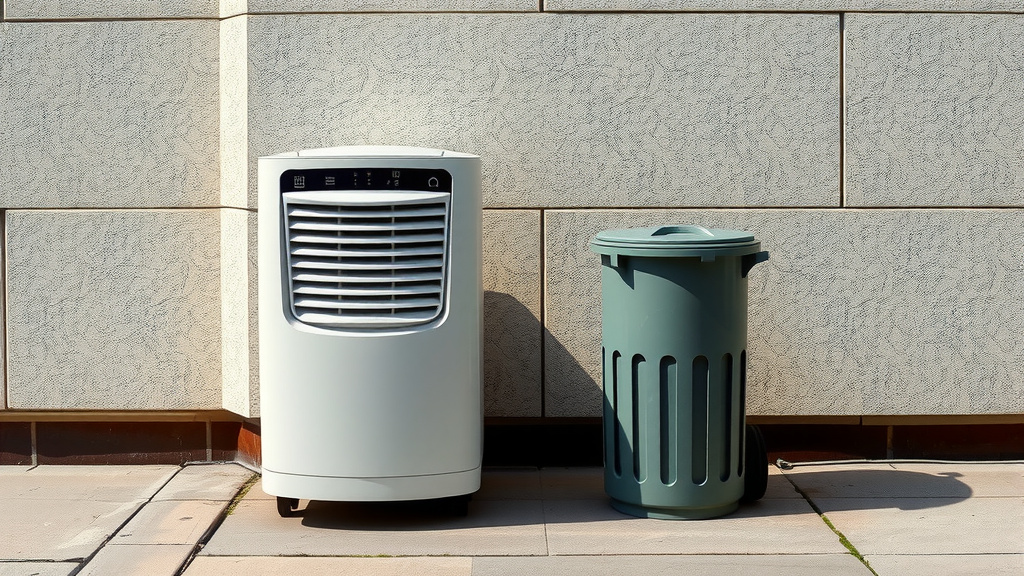
No, you cannot typically throw a dehumidifier in the garbage with regular household trash.
Dehumidifiers contain refrigerants and other components that are considered hazardous waste and require specialized recycling or disposal methods.
Here’s a quick overview of why you can’t simply toss your old dehumidifier:
- Your old dehumidifier cannot go into the regular garbage stream.
- It contains special refrigerants and electronic parts that need specific handling.
- Always check your local waste management services for proper recycling information.
- Some stores or brands have programs to take back old appliances.
- Correct disposal protects our environment and prevents potential pollution.
Can You Throw a Dehumidifier in the Garbage?
The short answer is a clear no; you should not throw a dehumidifier in the regular garbage. Dehumidifiers are not like common household waste. They contain specific materials that pose environmental risks if not handled properly. This guide will help you understand why and what steps you need to take.
Why Can’t You Just Toss It?
Imagine tossing a leaky battery into a sensitive ecosystem; it would cause problems, right? Dehumidifiers are similar. They house components that are not biodegradable and can be harmful. These devices are more complex than they appear.
Understanding the “Hazardous” Parts
Most dehumidifiers, especially older models, contain refrigerants. These chemicals help remove moisture from the air. But they can harm the atmosphere if released. Many experts say these substances contribute to ozone depletion and climate change (Environmental Protection Agency – EPA).
Beyond refrigerants, dehumidifiers also have oils, metals, and plastics. Some internal parts might even contain small amounts of mercury or other heavy metals. Simply throwing these items in a landfill allows these harmful substances to leach into the ground and water over time.
The Environmental Impact of Improper Disposal
When a dehumidifier ends up in a landfill, its sealed components can break open. This releases the refrigerants into the air. These gases are potent greenhouse gases, meaning they trap heat in our atmosphere. Research has found that some refrigerants are thousands of times more impactful than carbon dioxide over their lifetime (EPA).
The metals and plastics also take hundreds of years to break down. They can contaminate soil and water, affecting wildlife and even human health. Proper disposal helps to mitigate these risks significantly.
What Are Refrigerants?
Refrigerants are special chemicals that easily change between liquid and gas states. This property makes them perfect for cooling and heating systems. In a dehumidifier, they cycle through coils to condense moisture from the air. Common types include R-22 (older units) and R-410A (newer units). Both require careful handling.
Your Local Disposal Options: Where to Look First
Finding the right place to dispose of your dehumidifier starts close to home. Your local government is often the best resource. Many communities have specific programs for appliances. We found that most cities provide clear guidelines on their waste management websites.
City and County Recycling Centers
Many municipalities operate recycling centers that accept major appliances. These facilities are equipped to handle items with refrigerants safely. You might need to drop it off yourself, but it ensures proper processing. Always check their specific requirements beforehand.
Household Hazardous Waste Events
Some areas hold special collection days for household hazardous waste. These events are perfect opportunities to get rid of items like dehumidifiers, old paint, or chemicals. Keep an eye on your community calendar or local news for announcements. It is a convenient way to dispose of challenging items responsibly.
Retailer Take-Back Programs and Manufacturer Initiatives
Before you haul your dehumidifier anywhere, consider checking with retailers. Sometimes, stores that sell new appliances will take your old one for recycling. This is especially true if you are buying a replacement from them. We found that some electronics retailers offer such programs, even for smaller items.
Manufacturers also sometimes have recycling or take-back programs. While less common for dehumidifiers, it is worth a quick check on their website. These programs aim to reduce waste and promote sustainable practices.
Preparing Your Dehumidifier for Disposal
Once you know where to take your dehumidifier, you need to prepare it. This ensures safety during transport and helps the recycling facility. It’s a simple process, but important.
Emptying the Water Reservoir
First, make sure the water tank is completely empty and clean. Nobody wants a leaky mess in their car or at the recycling center. Pour out any collected water and give the reservoir a quick rinse. Let it air dry before moving the unit.
Disconnecting the Power
Always unplug the dehumidifier from the wall outlet. Wrap the power cord neatly around the unit or secure it with a tie. This prevents tripping hazards and ensures the unit is completely powered down. Safety is always a top priority.
Here’s a quick checklist to prepare your unit:
- Unplug the dehumidifier from all power sources.
- Completely empty the water collection tank.
- Rinse the water tank and let it dry.
- Secure the power cord to prevent tangles.
- Wipe down the exterior to keep it clean for transport.
- Gather any user manuals or accessories you might want to recycle separately.
Consider Repair or Donation Instead
Is your dehumidifier truly at the end of its life? Sometimes, a simple repair can extend its usefulness. This saves money and reduces waste. Think about getting a quote before deciding to dispose of it entirely. You might be surprised how easy it is to fix.
If it still works but you no longer need it, consider donating it. Local charities, schools, or community centers might appreciate a working dehumidifier. This gives your appliance a second life and helps others. Always call ahead to confirm they accept donations.
When is Repair Worth It?
We found that minor issues like a clogged filter or a faulty humidistat are often simple fixes. If the repair cost is much less than buying a new unit, it is usually worth repairing. For major problems, like a refrigerant leak, replacement might be more practical and safer.
Here’s a quick look at where to find disposal information:
| Resource Type | What to Search For |
|---|---|
| Local City/County Website | “Appliance recycling,” “hazardous waste disposal,” “refrigerant disposal” |
| Retail Stores (where you bought it) | “Appliance take-back program,” “electronics recycling” |
| Manufacturer’s Website | “Recycling services,” “end-of-life products” |
Conclusion
Throwing a dehumidifier in the garbage is not a responsible option. These units contain important components that require careful handling to protect our environment. By understanding your local recycling rules and preparing your unit correctly, you can dispose of it safely. Remember, a little effort goes a long way in making a positive environmental impact. Always choose the responsible path.
What are the main risks of improper dehumidifier disposal?
The main risks include releasing harmful refrigerants into the atmosphere, which contribute to climate change. Additionally, heavy metals and plastics can contaminate soil and water in landfills, affecting both the environment and potentially public health over time.
Can I get a new dehumidifier picked up when a new one is delivered?
Sometimes, yes! Many appliance retailers offer a haul-away service for your old unit when they deliver a new one. This is a very convenient option. Always confirm this service when you make your purchase, as fees may apply or it might be an optional add-on.
Are all dehumidifiers considered hazardous waste?
Most dehumidifiers, especially those containing refrigerants, are considered a form of hazardous waste due to their chemical components. Even newer models using different types of refrigerants still require specialized recycling to prevent environmental harm. It’s always best to treat them as such.
What if my dehumidifier is very old? Does it matter for disposal?
Yes, the age of your dehumidifier can matter. Older units are more likely to contain R-22 refrigerant, which is a potent ozone-depleting substance. This type of refrigerant has tighter regulations for recovery and disposal. Always inform your recycling center about the age of your unit if possible.
Is it legal to just throw a dehumidifier in the trash?
No, in many regions, it is illegal to dispose of dehumidifiers in regular household trash due to environmental regulations. Fines can be imposed for improper disposal. These laws are in place to ensure hazardous materials are handled safely and recycled correctly, protecting our shared environment.
