
Can You Throw Dehumidifier in the Trash?
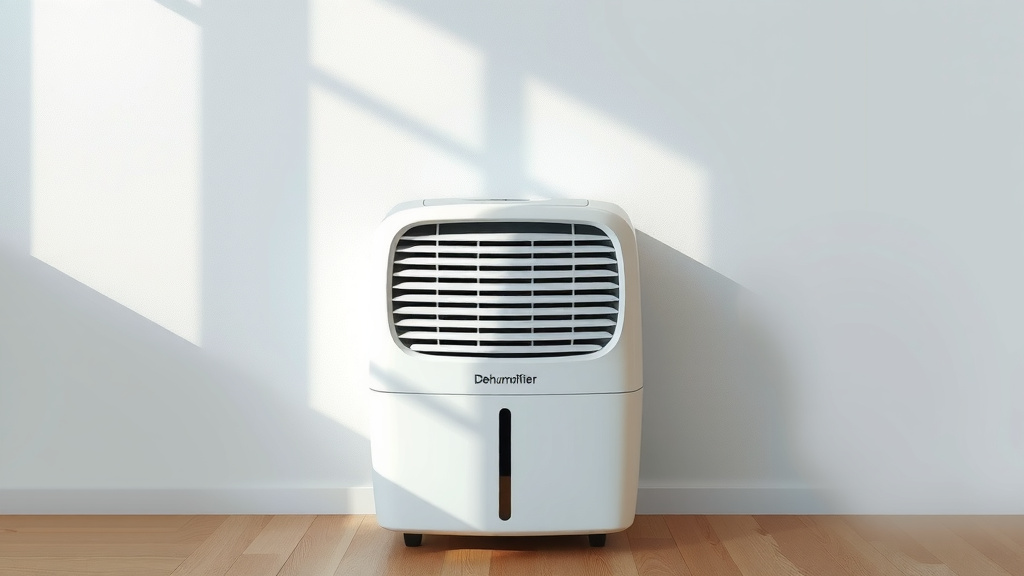
No, you generally cannot throw a dehumidifier in the trash due to hazardous components like refrigerants and oils.
Proper dehumidifier disposal involves recycling centers, special hazardous waste collection events, or retailer programs to protect our environment.
- Dehumidifiers contain refrigerants and compressor oils that are harmful if released into the environment.
- Never put your old dehumidifier in regular household trash or dumpsters.
- Look for local appliance recycling programs or hazardous waste facilities in your area.
- Some retailers or manufacturers offer take-back options for old units, especially when buying new ones.
- Correct disposal protects our planet and helps you avoid potential fines for improper waste handling.
Can You Throw Dehumidifier in the Trash?
You might be wondering what to do with your old dehumidifier when it stops working. The straightforward answer is no, you cannot simply toss your dehumidifier in the regular trash. It’s not like an old toaster or a broken lamp; these appliances contain specific materials that require special handling for disposal (EPA).
Why Can’t You Just Toss It Out?
Imagine your old dehumidifier as a mini refrigerator. It functions using similar principles and internal components. These parts, while efficient at drying your air, pose a risk if not disposed of correctly. We found that most of the concern comes down to a few key elements inside your unit.
The Refrigerant Problem
Inside every compressor-based dehumidifier, you’ll find a refrigerant. This is the chemical compound that absorbs moisture from the air. Historically, many units used refrigerants like CFCs or HCFCs, which are potent greenhouse gases. Even modern refrigerants, while safer, can still harm the environment if released into the atmosphere. They contribute to ozone depletion and climate change.
Other Harmful Components
It’s not just the refrigerant. Dehumidifiers also contain compressor oils, which can be hazardous. There are plastics, metals, and sometimes even small amounts of mercury in older models (Department of Environmental Protection). These materials need to be separated and processed safely to prevent soil and water contamination.
Finding the Right Disposal Path
So, if the trash can is out, what are your options? We understand it can feel confusing, but there are clear paths for responsible disposal. You have several choices, depending on where you live and what services are available to you.
Local Recycling Centers
Many towns and cities have dedicated recycling centers that accept large appliances. These facilities are equipped to handle the refrigerants and other components. You’ll likely need to transport the unit yourself. Always check their website or call ahead to confirm they accept dehumidifiers and if there are any associated fees.
Hazardous Waste Collection Events
Your community might host special hazardous waste collection days. These events are specifically designed for items that can’t go into regular recycling or trash. They often occur a few times a year. This is a convenient option for ensuring your dehumidifier is handled by qualified professionals.
Retailer Take-Back Programs
Did you know some appliance retailers offer to take your old unit when you buy a new one? It’s true! This service often comes with a small fee, but it can be incredibly convenient. Always ask about their appliance recycling policies before making a new purchase. It saves you an extra trip.
Manufacturer Recycling Initiatives
Some dehumidifier manufacturers also have their own recycling programs. They want to ensure their products are disposed of responsibly. You can visit their official websites to see if they offer a take-back service or can direct you to an approved recycling partner. This shows a real commitment to sustainability.
Preparing Your Dehumidifier for Disposal
Before you take your old unit anywhere, there are a few simple steps to follow. This ensures it’s ready for safe handling and recycling. Think of it as preparing your old friend for its next journey.
- Empty the water reservoir completely.
- Unplug the unit safely from its power source.
- Clean the air filter if it’s easily accessible.
- Keep the dehumidifier in an upright position during transport.
- Check with your chosen disposal facility for any specific instructions.
Environmental Impact Matters
Choosing proper disposal isn’t just about following rules; it’s about protecting our planet. When refrigerants are released, they rise into the atmosphere and cause significant damage. By recycling, you’re making a positive difference. It’s a small action with a big environmental benefit.
Protecting Our Air and Water
Improperly discarded dehumidifiers can lead to serious environmental consequences. The refrigerants and oils can seep into the soil and groundwater. This can contaminate drinking water sources and harm wildlife. Proper disposal helps to safeguard our natural resources for everyone.
What About Dehumidifier Water?
You might be curious about the water collected by your dehumidifier. This water is usually very clean. It’s essentially distilled water, as the process removes impurities. Many people use it for watering plants, cleaning, or even in clothes irons. It’s perfectly safe to pour down the drain or into your garden (CDC).
Alternatives to Trashing Your Unit
Sometimes, your dehumidifier isn’t completely broken. Or perhaps it’s still functional, but you no longer need it. Before you even think about disposal, consider these other options. You might give your unit a new lease on life!
| Alternative Option | Best For | What to Expect |
|---|---|---|
| Donation | Working units, good condition | Local charities, thrift stores may accept |
| Repair | Minor issues, cost-effective | Check local appliance repair shops |
| Sell | Fully functional, good resale value | Online marketplaces, local classifieds |
| Give Away | Friends, family, community groups | Offers a free solution for others |
Conclusion
So, while it’s tempting to just toss out an old appliance, a dehumidifier is a special case. Its internal components, particularly refrigerants, demand careful handling for disposal. We hope this guide has shown you that there are many responsible ways to say goodbye to your old unit. By choosing recycling or a proper collection program, you protect the environment and contribute to a healthier planet. Your small effort makes a significant positive impact.
Can I recycle a dehumidifier through regular curbside recycling?
No, you cannot usually put a dehumidifier out for regular curbside recycling. These units contain special chemicals and need to go to specific appliance recycling centers or hazardous waste facilities. Always check with your local waste management services for exact instructions.
Is it illegal to throw a dehumidifier in the regular trash?
In many regions, it is indeed illegal to throw appliances containing refrigerants, like dehumidifiers, into the regular trash. This is due to environmental regulations aimed at preventing the release of harmful substances. Fines can apply for improper disposal.
How much does it cost to recycle a dehumidifier?
The cost to recycle a dehumidifier can vary. Some municipal recycling centers offer free drop-off. Others might charge a small fee, often around $10-$25, to cover the cost of refrigerant removal. Retailer take-back programs might also have a fee or be free with a new purchase.
Can I remove the refrigerant myself before disposal?
No, you should never attempt to remove the refrigerant from a dehumidifier yourself. This process requires specialized training and equipment. Releasing refrigerants directly into the atmosphere is harmful and often illegal. Always leave this task to certified professionals at recycling facilities.
What if my dehumidifier is very old? Does that change disposal?
Older dehumidifiers might contain refrigerants that are more potent ozone-depleting substances. This makes proper disposal even more critical. The disposal methods remain the same – specialized recycling or hazardous waste collection – but the environmental urgency is arguably greater for very old units.
