
Can You Use a Dehumidifier Outside?
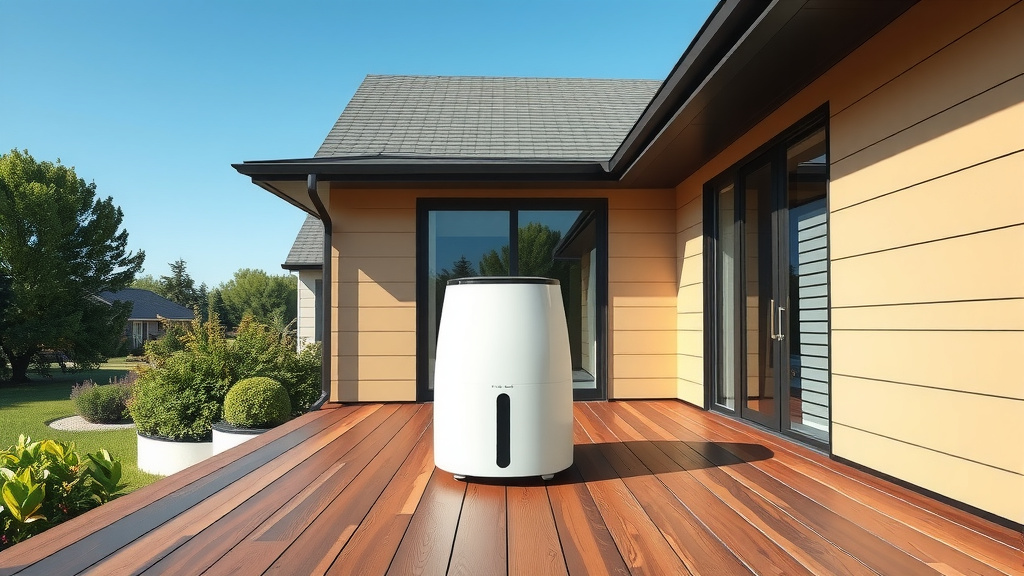
Using a dehumidifier outside is generally not recommended because most residential units are not designed to withstand outdoor elements like rain, dust, and extreme temperatures.
These appliances are built for controlled indoor environments, making them prone to damage, reduced efficiency, and significant electrical hazards when exposed to the outdoors.
- Dehumidifiers are designed for indoor spaces, not the harsh outdoor environment.
- Exposing them to rain, dust, or direct sunlight can cause serious damage and electrical risks.
- They struggle to be effective outside due to the vast, open air and fluctuating conditions.
- Using an indoor dehumidifier outdoors voids warranties and creates safety concerns.
- Seek outdoor-specific solutions or alternative humidity control methods for exterior areas.
Can You Use a Dehumidifier Outside?
No, you generally cannot use a typical household dehumidifier outside. While the idea of reducing humidity on your patio or in an open area might sound appealing, standard dehumidifiers are simply not built for the outdoors. Their design and safety features are meant for controlled indoor settings, not the variable and often harsh conditions found outside.
Why Outdoor Use is Risky
Trying to use an indoor dehumidifier outside can lead to several problems. You’re not just risking the machine itself; you’re also potentially creating safety hazards for yourself and others. Let’s look at why this is such a bad idea.
Design Limitations
Most dehumidifiers are designed with delicate internal components. These parts are not sealed against moisture, dust, or debris. When exposed to the elements, these parts can quickly corrode or become clogged, leading to malfunctions. We found that manufacturers specifically state these units are for indoor use only.
Electrical Safety Concerns
Water and electricity are a dangerous mix. Standard dehumidifiers are not waterproof or water-resistant. If rain, sprinklers, or even heavy dew comes into contact with the electrical components, it creates a severe risk of electric shock or fire (OSHA guidelines confirm this). This danger is often overlooked but extremely important.
Weather Damage Risks
Beyond water, consider other weather factors. Direct sunlight can cause plastic components to degrade and internal temperatures to rise unsafely. Wind can blow dust and leaves into the unit, damaging fans and coils. Extreme cold can also cause coils to freeze, leading to damage and inefficient operation.
Understanding Efficiency Outdoors
Even if you managed to protect your dehumidifier from physical damage, it wouldn’t work very well. An indoor appliance struggles to cope with the sheer volume of air and constant humidity replenishment found outdoors. It’s like trying to empty a swimming pool with a teacup.
The Battle Against Nature
Dehumidifiers work by continuously circulating air through their coils. Outside, the air is constantly moving and being replaced by new, humid air. This means your unit would be constantly fighting an uphill battle, drawing in new moisture from the vast open environment. It’s a losing fight for a small machine.
Temperature Extremes
Most dehumidifiers perform best within a specific temperature range, typically above 65°F (18°C). When temperatures drop, their efficiency plummets as coils can freeze over, requiring defrost cycles. In very hot weather, the unit can overheat. Both scenarios lead to poor performance and potential damage.
What About Covered Outdoor Spaces?
You might wonder if a covered porch or garage is different. While these spaces offer some protection, they are still considered “outdoor” in terms of humidity exchange and temperature fluctuations. The risks are still present, just slightly reduced. Always check your dehumidifier’s specific instructions.
Dehumidifiers in Garages
Garages often have high humidity due to concrete floors, car moisture, and poor insulation. Using a dehumidifier here is common, but it’s important to choose a unit rated for garage use or basements, which can handle lower temperatures. Ensure it’s not exposed to direct weather or extreme temperature swings (Energy.gov provides guidance on garage humidity).
Patio or Deck Areas
Even a covered patio is still an open-air environment. Humidity from the surrounding atmosphere will quickly flow in. A standard dehumidifier would run continuously, consuming a lot of energy, but achieving little real impact. It’s often a waste of electricity and a short lifespan for the machine.
Better Ways to Manage Outdoor Humidity
Instead of misusing an indoor appliance, consider solutions made for outdoor conditions. There are specific ways to address humidity and comfort outside without risking your safety or your equipment. Many experts say it’s about managing the air movement.
Consider Outdoor Fans
For personal comfort on a humid day, a powerful outdoor fan can make a significant difference. Fans create a breeze, which helps evaporate sweat from your skin, making you feel cooler and less sticky. They don’t remove humidity from the air, but they improve perceived comfort.
Landscape Solutions
Strategic landscaping can help. Planting trees or building structures that provide shade can lower ambient temperatures, reducing the “stickiness” feeling. Ensuring good drainage prevents standing water, which contributes to local humidity (EPA resources highlight landscape water management).
Industrial-Grade Options
For very specific, controlled outdoor environments (like construction sites or large event tents), you might see large, robust industrial dehumidifiers. These units are built for heavy-duty use and harsh conditions, often with weather-resistant casings. However, these are specialized and very different from residential models.
Protecting Your Home and Investment
If you’re worried about humidity affecting outdoor items like tools in a shed or furniture covers, focus on sealing and ventilation. A small, sealed storage box with desiccants (moisture absorbers) might be a better fit. Always read the owner’s manual for any appliance to understand its intended use and limitations.
Here’s a quick checklist before considering any dehumidifier for a non-traditional space:
- Is the unit specifically rated for “outdoor” or “garage” use?
- Will it be protected from direct rain, dust, and sunlight?
- Are outdoor power outlets properly grounded and covered?
- Can the collected water be safely drained without creating a slip hazard?
- Have you considered all the potential safety risks?
- Are there more appropriate, purpose-built solutions available?
The differences between indoor and outdoor conditions are vast. Respecting these differences keeps your appliances working correctly and keeps your family safe. Don’t force an indoor solution where it doesn’t belong.
Conclusion
While the desire to reduce humidity in outdoor spaces is understandable, a standard residential dehumidifier is simply not the right tool for the job. These units are designed for enclosed, climate-controlled environments and are vulnerable to damage and safety hazards when used outside. Focusing on proper ventilation, shading, and purpose-built outdoor solutions is a far more effective and responsible approach to managing outdoor comfort. Keep your indoor dehumidifier where it belongs: inside, doing its job safely and efficiently.
Frequently Asked Questions
Can I use a dehumidifier on a screened porch?
A screened porch is still an open-air environment, allowing humid air to constantly enter. While it offers some protection from direct rain, a standard dehumidifier will struggle to make a significant impact on the overall humidity and will still be exposed to fluctuating temperatures and dust. It’s generally not recommended for effective or safe operation.
Are there any dehumidifiers made specifically for outdoor use?
Yes, some industrial-grade or commercial dehumidifiers are built for harsh outdoor conditions, often seen on construction sites or for large-scale drying tasks. These are typically very large, expensive, and not designed for residential outdoor comfort. Standard consumer dehumidifiers are strictly for indoor use.
Will using an indoor dehumidifier outside void its warranty?
Yes, almost certainly. Manufacturers design their products for specific use cases. Using a residential dehumidifier outside, against its intended design and safety warnings, will void its warranty. Any damage or malfunction that occurs from such misuse would not be covered.
What are the main dangers of using an indoor dehumidifier outside?
The primary dangers include electrical shock or fire due to exposure to water or moisture, severe damage to the unit from rain, dust, or extreme temperatures, and incredibly poor efficiency, leading to wasted electricity and ineffective humidity control. It’s a significant safety risk and a waste of money.
What can I do to reduce humidity around my outdoor patio or deck?
To improve comfort, you can use powerful outdoor fans to create airflow and aid in evaporative cooling. Strategic landscaping, like planting shade trees or using umbrellas, helps lower ambient temperatures. Ensuring good drainage around your patio also helps prevent standing water from contributing to local humidity.
