
Can You Use a Dehumidifier While Showering?
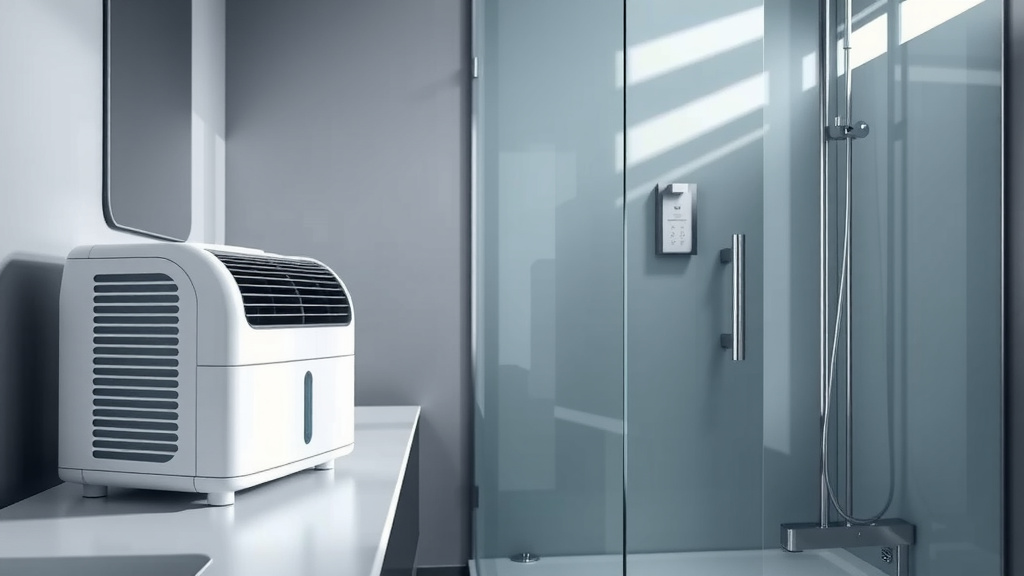
No, it is generally not recommended to use a dehumidifier directly inside the bathroom while you are showering due to significant electrical safety concerns.
Placing a dehumidifier in an adjacent room or just outside the bathroom door immediately after your shower is a much safer and more effective way to manage excess moisture.
TL;DR: Here’s a quick guide to using your dehumidifier around shower time:
- Avoid placing your dehumidifier inside the bathroom during a shower.
- Instead, position it just outside the bathroom or in a nearby hallway.
- Use it immediately after your shower to quickly dry out the air.
- Look for a unit with a gravity drain option for continuous use.
- Always prioritize electrical safety when dealing with water and appliances.
Can You Use a Dehumidifier While Showering?
No, placing a dehumidifier directly in your bathroom while showering is not a good idea for safety reasons. It’s better to use it right after your shower in a nearby area to tackle that moisture effectively.
Understanding the Electrical Risk
Imagine electrical appliances near flowing water; it’s a setup for danger. A running shower creates a lot of steam, making the air very humid. This moisture can get into your dehumidifier’s electrical components.
Many experts say mixing electricity and water creates a shock hazard (Electrical Safety Foundation International). Even if your dehumidifier is designed for high humidity, direct exposure to shower spray or steam can be too much.
The risk of electrical short circuits or other malfunctions goes up. Your safety is always the top priority when managing home humidity.
Better Ways to Beat Shower Humidity
Don’t worry, there are several simple and safe ways to keep your bathroom dry after a shower. You don’t need to put your dehumidifier in harm’s way. Let’s look at some practical solutions.
Your Trusty Bathroom Fan
This is your primary weapon against shower steam. Turn on your bathroom exhaust fan before you step into the shower. Keep it running for at least 15-20 minutes after you finish.
This fan works by pulling humid air out of the room. It’s a dedicated tool for removing moisture right at the source. Regular use helps prevent mold and mildew from settling in (Environmental Protection Agency).
Cracking a Window Open
If you have a bathroom window, open it a little while showering, or immediately afterward. This creates natural airflow, helping moist air escape.
Even a small crack can make a difference. Combine this with your exhaust fan for maximum ventilation power. It’s a free and effective method for immediate humidity reduction.
Where to Place Your Dehumidifier for Best Results
Instead of the bathroom itself, think about strategic placement. A dehumidifier works best when it can draw moisture from a general area, not just a highly concentrated zone like an active shower.
Place your unit just outside the bathroom door. A hallway or an adjacent bedroom can also work well. It will still pull humid air as it drifts from the bathroom, without the direct electrical risk.
Timing is Everything: When to Run It
The ideal time to run your dehumidifier is right after your shower. Let the exhaust fan do its initial work during the shower. Then, turn on the dehumidifier for a few hours.
This allows the appliance to collect lingering moisture efficiently. It stops that damp feeling and helps dry out surfaces that the fan might miss. We found that running it for 2-4 hours post-shower usually makes a big difference.
Picking the Perfect Dehumidifier for Your Home
Choosing the right dehumidifier makes a big difference in effectiveness. Consider the size of your home and the typical humidity levels. This helps ensure you get a unit that’s not too small or too large.
Many experts suggest a mid-sized unit for general home use, particularly if you’re concerned about areas like bathrooms. You want enough power to handle daily moisture without constant running (ENERGY STAR).
Consider Continuous Drainage
For areas with consistent moisture, like near a frequently used bathroom, a dehumidifier with a continuous drainage option is fantastic. This means you won’t have to empty a bucket constantly.
You can connect a hose to a drain, sink, or even outside. This feature lets your dehumidifier run non-stop, providing consistent humidity control without intervention. It’s a real convenience, especially for busy households.
Telltale Signs of Excess Home Humidity
How do you know if your home, beyond the shower, has too much moisture? Your home often gives you subtle hints. Learning to recognize these can help you act before bigger problems start.
Addressing these signs early protects your home and improves your indoor air quality. Don’t ignore these small warnings from your living space.
The “Wet Window” Phenomenon
Do you notice condensation on your windows, especially in cooler weather? That’s a clear sign of high indoor humidity. Moisture is literally condensing on the coldest surfaces.
This isn’t just a cosmetic issue; consistent condensation can lead to mold around window sills. It also signals that your air holds too much water vapor.
Unpleasant Smells and Stains
A persistent musty odor often points to hidden mold or mildew growth. This distinct smell is a common indicator that your home has damp spots. You might also spot dark stains on walls or ceilings.
These visible signs of mildew, especially in bathrooms or basements, are direct warnings. Many experts say these are classic signs of uncontrolled moisture problems (CDC).
Tips for Optimal Dehumidifier Performance
To get the most out of your dehumidifier, a few simple habits can make a big difference. Think of it as giving your appliance the best chance to do its job effectively.
Here’s a quick checklist to ensure your dehumidifier is always at its best:
- Keep all windows and doors closed in the area you are dehumidifying.
- Clean the air filter regularly to maintain efficiency and air quality.
- Ensure the unit has plenty of space around it for proper airflow.
- Set the humidity target to a comfortable level, typically between 40-50%.
- Empty the water collection bucket frequently, or use a continuous drain.
The Long-Term Benefits of Dry Air
Controlling humidity is about more than just drying out the air. It’s about creating a healthier and more comfortable living environment. The rewards of proper dehumidification are numerous and long-lasting.
Research often connects lower indoor humidity with reduced allergen levels like dust mites and mold (NIH). This can mean fewer respiratory issues and a happier home for everyone.
Let’s look at how different methods stack up for moisture removal:
| Method | Effectiveness | Safety for Shower | Best Use |
|---|---|---|---|
| Dehumidifier (in-bathroom) | High, but risky | Low (not recommended) | General room humidity |
| Dehumidifier (outside bathroom) | Medium to High | High (safe) | Post-shower drying, whole-home moisture |
| Bathroom Exhaust Fan | High | High (safe) | During and after shower |
| Opening Windows | Medium | High (safe) | During and after shower (weather permitting) |
Conclusion
While the urge to tackle that shower steam with your dehumidifier might be strong, remember that safety comes first. Directly using a dehumidifier in a steamy bathroom during a shower creates an unnecessary electrical hazard. Instead, lean on your exhaust fan and open windows for immediate moisture removal.
Your dehumidifier is a powerful ally against humidity. Position it strategically just outside the bathroom after you’ve showered. This approach protects your appliance, keeps your family safe, and effectively maintains healthy indoor humidity levels. A dry home is a comfortable and healthy home, so use your tools wisely!
Is it okay to run a dehumidifier 24/7?
Yes, it’s generally fine to run a dehumidifier continuously, especially if you have a significant humidity problem or a continuous drainage option. Modern units are designed for regular use. However, monitor the humidity levels; you don’t want to over-dry your home, which can cause other issues.
Where is the best place to put a dehumidifier in a house?
The best place for a dehumidifier is usually in the dampest areas of your home. Common spots include basements, crawl spaces, laundry rooms, or central hallways. If targeting post-shower humidity, just outside the bathroom door or in a connecting room works well.
How long does it take for a dehumidifier to work?
The time it takes for a dehumidifier to significantly reduce humidity depends on several factors: the room size, the unit’s capacity, and the initial humidity level. You might notice a difference within a few hours for a small, damp room, but larger or very humid spaces could take a full day or two to reach ideal levels.
Can a dehumidifier dry out a room too much?
Yes, a dehumidifier can dry out a room too much if not properly set. Extremely low humidity (below 30%) can cause discomfort, dry skin, sore throats, and even damage wooden furniture or musical instruments. Most units have a humidistat to set your desired humidity level, typically between 40-50%.
What humidity level is ideal for a home?
Many experts recommend maintaining indoor humidity levels between 40% and 50% for optimal comfort and health. This range is low enough to prevent mold and dust mite growth, but high enough to avoid issues associated with overly dry air. Some sources suggest a range of 30-60% is acceptable (Mayo Clinic).
