
Are Commercial Dehumidifiers Worth It?
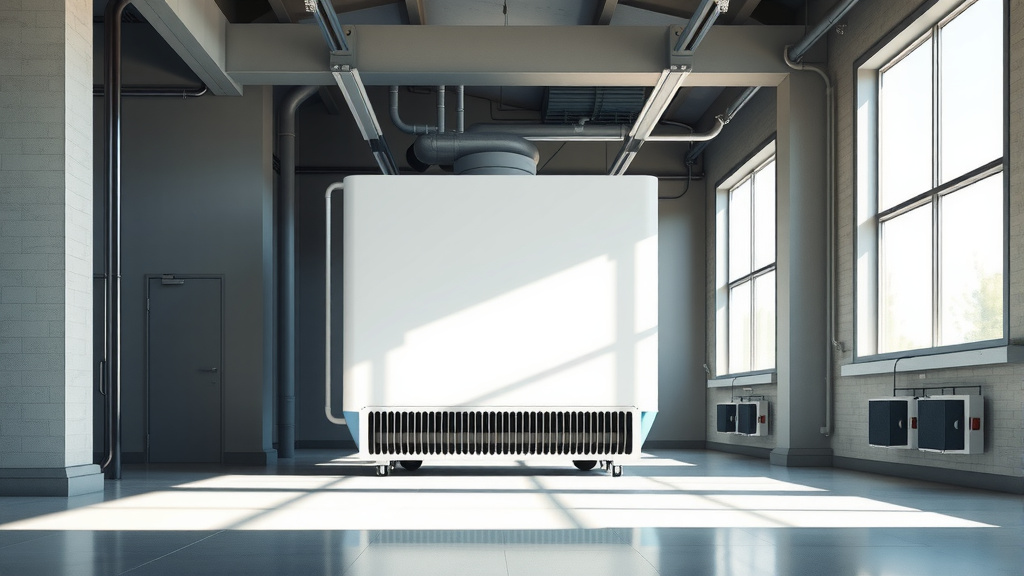
Yes, commercial dehumidifiers are often worth the investment for businesses facing humidity challenges, offering significant benefits like protecting assets and improving air quality.
They effectively control moisture levels in large or industrial spaces, preventing damage and fostering a healthier environment.
Here’s a quick overview of why commercial dehumidifiers might be your next smart move:
- Protect Your Business: They stop mold, mildew, and rust from harming your property and products.
- Boost Health: Improve air quality and reduce allergens for happier, healthier employees and customers.
- Save Money: Prevent costly repairs and energy waste from overworked AC systems.
- Ensure Comfort: Create a more pleasant environment, especially in humid climates.
- Meet Regulations: Help you comply with specific industry standards for moisture control.
Are Commercial Dehumidifiers Worth It?
Absolutely, for many businesses, a commercial dehumidifier is a smart, necessary investment. It protects inventory, maintains your building, and keeps everyone comfortable. You’ll often find the benefits far outweigh the initial cost.
Why High Humidity is a Business Problem
High humidity isn’t just uncomfortable; it silently causes serious damage. It creates a perfect environment for unseen issues that can cost you time and money. Think of it like a hidden leak.
Unchecked moisture leads to mold on walls and products. It can warp wood, corrode metals, and harm electronics. These problems disrupt operations and impact your bottom line, demanding attention.
Key Benefits You’ll Enjoy
Investing in a commercial dehumidifier brings clear advantages. You’ll quickly notice a difference in your space. It helps create a more stable, controlled environment for your business.
Safeguarding Your Assets
Imagine your expensive materials or products ruined by moisture. These units protect your valuable assets from mold, rust, and degradation. Your building’s structure also benefits (industry best practices).
Healthier Indoor Air
Damp places allow mold spores and dust mites to thrive. A good commercial dehumidifier removes excess moisture, leading to cleaner air. This means fewer allergens and irritants in your workspace.
Many health organizations connect lower humidity with fewer respiratory issues. Improving air quality boosts comfort and contributes to a safer work environment.
Enhanced Comfort & Focus
Working in a sticky, muggy office makes it hard to concentrate. Commercial dehumidifiers make your space pleasant. This comfort can lead to higher employee morale and productivity.
When your team feels good, they focus better. It’s a simple way to create a more enjoyable, efficient atmosphere, leading to better results.
Is a Dehumidifier Essential for Your Business?
Some businesses truly can’t function without one. Do you run a warehouse, factory, museum, or large office? These spaces face big humidity issues needing strong moisture control.
Industries like food processing or data centers need precise humidity control. Here, it’s not just helpful; it’s truly important for product safety and equipment life (regulatory guidelines).
- Signs You Might Need One:
- Visible mold or a musty smell
- Condensation on surfaces or warped wood
- Corrosion on metal equipment
- Frequent complaints about dampness
Choosing the Right Type for Your Needs
Commercial dehumidifiers come in different forms. Understanding the main types helps you pick the best one for your specific setting. Each has unique strengths.
Refrigerant vs. Desiccant: What’s Best?
Your choice depends on your environment’s temperature and humidity levels. This comparison helps you weigh the options for your business application.
| Feature | Refrigerant Dehumidifier | Desiccant Dehumidifier |
|---|---|---|
| Best Used In | Warmer, humid environments (above 60°F / 16°C) | Cooler environments, very low humidity needs |
| Efficiency | High in ideal temperatures, less so in cold | Consistent across a wide temperature range |
| Moisture Removal | Condenses water into a tank or drain | Absorbs moisture using a rotor, often needs heat |
| Initial Cost | Generally lower | Generally higher |
The Financial Picture: Costs and Savings
Yes, there’s an upfront cost. But think of it as a smart investment. Prices vary by capacity and features. You want to balance your budget with long-term efficiency.
Understanding Long-Term Value
Many experts advise looking at the total cost of ownership, not just the purchase price. This includes installation, energy use, and maintenance (consumer advocacy groups). A cheaper unit might cost more later.
Simple Steps for Longevity
Like any equipment, your dehumidifier needs care. Regular cleaning and checks extend its life. This means better performance and fewer issues.
Tasks like cleaning filters, checking drain lines, and ensuring good airflow prevent common problems. A well-maintained unit is reliable and efficient, protecting your investment.
Conclusion
So, are commercial dehumidifiers worth it? For most businesses battling excess moisture, absolutely. They are a powerful tool for protecting your property, enhancing air quality, and boosting comfort. By understanding your specific situation and choosing wisely, you make a smart investment in your business’s future. It’s about being proactive against humidity.
What is the ideal humidity level for a commercial space?
Most commercial spaces do well with relative humidity between 40% and 60%. This range prevents mold, protects equipment, and keeps occupants comfortable (health organizations).
How do I know what size commercial dehumidifier I need?
Consider your space’s square footage, ceiling height, current humidity, and any moisture sources. Consulting an HVAC professional helps ensure you get a unit with adequate capacity.
Can a commercial dehumidifier help with allergy symptoms?
Yes, it can. By reducing excess moisture, these units limit mold spores and dust mites. This improves indoor air quality and can greatly ease allergy and asthma symptoms for building occupants.
How much electricity do commercial dehumidifiers use?
Electricity use varies by unit size, efficiency, and run time. Larger, higher-capacity units use more power. Look for Energy Star models or high-efficiency ratings to lower operating costs.
What’s the difference between a commercial and residential dehumidifier?
Commercial units are for larger spaces, have higher capacities, and are more durable for continuous use, often with specialized features. Residential units are smaller, less powerful, and designed for home use.
