
Can You Use an Evaporative Cooler with a Dehumidifier?
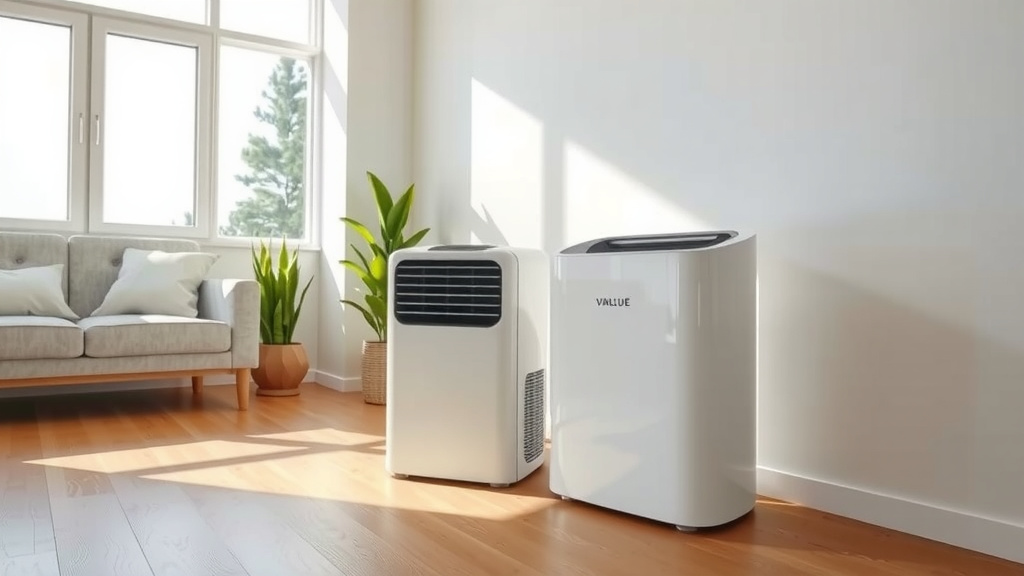
Yes, you can use an evaporative cooler with a dehumidifier, but it’s generally not recommended for optimal efficiency in the same enclosed space.
Combining an evaporative cooler, which adds moisture to the air, with a dehumidifier, which removes it, can create a counterproductive struggle, making both appliances work harder.
Here’s the quick takeaway if you’re in a hurry:
- Evaporative coolers add humidity; dehumidifiers take it away.
- Using them together in the same room usually means they fight each other.
- You might see higher energy bills and less effective cooling or drying.
- Consider using them in separate areas or at different times for best results.
- For simultaneous cooling and drying, an air conditioner is often a better choice.
Can You Use an Evaporative Cooler with a Dehumidifier?
While technically possible, using an evaporative cooler and a dehumidifier simultaneously in the same confined space is often inefficient and counterproductive. We found that these two appliances work against each other’s primary function.
Understanding Each Appliance
Before diving into combinations, let’s quickly review what each device does for your home’s air. Knowing their roles helps you make smart decisions about their use.
What is an Evaporative Cooler?
An evaporative cooler, sometimes called a swamp cooler, cools air through water evaporation. It draws in warm, dry air over water-saturated pads, where the water evaporates and absorbs heat from the air (NIH).
This process lowers the air temperature but also increases the air’s humidity. Evaporative coolers work best in hot, dry climates where adding moisture doesn’t make things feel muggy.
What is a Dehumidifier?
A dehumidifier does the exact opposite: it removes excess moisture from the air. It pulls in humid air, passes it over cold coils, and condenses the moisture into water. This collected water drains into a bucket or a hose, leaving the air feeling drier and more comfortable.
Many experts say dehumidifiers are essential in humid environments to prevent mold growth, reduce musty odors, and make indoor air feel cooler by lowering the relative humidity (CDC).
The Core Conflict: Moisture Management
The fundamental conflict lies in how each device handles moisture. One adds it, the other takes it away. This creates a push-pull scenario that wastes energy.
Evaporative Coolers Add Humidity
When you run an evaporative cooler, it actively releases water vapor into your room. This added moisture is exactly what helps it cool the air. The air might feel cooler, but it also becomes more damp and humid.
Dehumidifiers Remove Humidity
At the same time, a dehumidifier is busy extracting moisture from the air. It works hard to collect water droplets and lower the humidity levels. It’s essentially trying to undo what the evaporative cooler is creating.
Imagine trying to fill a bathtub while someone else keeps pulling the plug. That’s a good analogy for what happens when you run both in the same space. You’re constantly working against yourself, leading to higher energy consumption.
When Combining Them Makes Sense (And When It Doesn’t)
While often discouraged in the same room, there are specific scenarios where using both appliances can be effective. It really depends on your home’s layout and climate.
Situations Where They Can Coexist
Sometimes, your home has different needs in different areas. This is where strategic placement and timing become your best friends. Consider these unique approaches:
- Separate Rooms for Different Needs: You might use an evaporative cooler in a dry living room during the day for comfortable cooling. Meanwhile, a dehumidifier could run in a damp basement or laundry room, tackling moisture issues there. They address different problems in different areas.
- Targeting Specific Microclimates: Perhaps you have an attic that gets very hot and dry, perfect for an evaporative cooler. Conversely, a bathroom or crawl space might suffer from high humidity. Using a dehumidifier in the moist area and the cooler in the dry area can be an effective two-pronged attack.
- Alternating Use Throughout the Day: If your climate shifts from dry to humid, you could use the evaporative cooler when it’s hot and very dry. Later, as evening humidity rises, you might switch to the dehumidifier to dry things out. This avoids direct conflict.
Why You Should Generally Avoid Using Them Together in the Same Room
As we’ve mentioned, the main reason to avoid using them simultaneously in the same room is efficiency. You’ll likely experience a few downsides, including increased energy bills and less effective results from both units.
The evaporative cooler adds moisture, making the dehumidifier work harder. The dehumidifier removes moisture, making the evaporative cooler less effective at cooling. It’s a costly cycle of inefficiency.
Optimizing Your Indoor Air Quality Strategy
Achieving ideal indoor comfort means understanding your environment. You want to balance temperature and humidity without wasting energy.
Strategic Placement is Key
Think about where each appliance will have the most impact without interfering with the other. Place your evaporative cooler where you need cooling and don’t mind a humidity boost. Position your dehumidifier in areas prone to dampness, like basements or bathrooms (Cleveland Clinic).
Timing Your Appliance Use
Sometimes, the best solution is simply not running them at the same time. If your mornings are dry and hot, use the evaporative cooler. If afternoons become muggy, turn off the cooler and activate the dehumidifier. This thoughtful approach helps you manage changing conditions efficiently.
Comparing Cooling & Dehumidifying Solutions
Here’s a quick comparison to help you understand when to use different devices for specific needs:
| Appliance | Primary Function | Best Climate | Impact on Humidity |
|---|---|---|---|
| Evaporative Cooler | Cooling | Hot & Dry | Adds Humidity |
| Dehumidifier | Moisture Removal | Humid | Removes Humidity |
| Air Conditioner | Cooling & Dehumidifying | Hot & Humid | Removes Humidity |
Other Options for Cooling and Humidity Control
If you need both cooling and dehumidifying in the same space, consider alternatives that do both. You might find a single unit is a more practical solution.
Air Conditioners as an Alternative
Many experts point to air conditioners as a dual-purpose solution (Energy Star). They not only cool the air but also significantly dehumidify it as a byproduct of their cooling process. This makes them highly effective in hot and humid climates.
Smart Thermostats and Ventilation
Modern thermostats can often integrate with your home’s HVAC system to manage both temperature and humidity levels. Proper ventilation, like using exhaust fans, also plays a crucial role in controlling moisture in specific areas.
A Quick Checklist for Better Air
To keep your home feeling fresh and comfortable, follow these easy steps:
- Identify your climate’s main challenge (heat, dryness, humidity).
- Place evaporative coolers in dry, hot areas.
- Run dehumidifiers in damp, humid spots like basements.
- Avoid running both in the same enclosed room simultaneously.
- Consider an air conditioner for combined cooling and drying.
- Use exhaust fans in kitchens and bathrooms to vent moisture.
Conclusion
While you can physically operate an evaporative cooler and a dehumidifier at the same time, using them in the same room is generally inefficient. They have conflicting goals regarding air moisture. The best approach is to understand your specific needs for each area of your home and use each appliance strategically. By doing so, you’ll achieve better comfort and potentially save on energy costs, creating a healthier indoor environment tailored to your unique climate challenges.
FAQs About Evaporative Coolers and Dehumidifiers
Can an evaporative cooler make humidity worse indoors?
Yes, an evaporative cooler works by adding moisture to the air through evaporation. If your indoor environment is already humid, using an evaporative cooler will increase the humidity levels further, which can make the air feel muggier and less comfortable. It’s best for hot, dry climates.
Do dehumidifiers help cool a room?
Dehumidifiers primarily remove moisture from the air, which can make a room feel cooler and more comfortable, even if the actual air temperature doesn’t drop significantly. When humidity is lower, your body’s sweat evaporates more easily, enhancing the natural cooling process. They don’t actively lower air temperature like an AC.
What is the ideal humidity level for a home?
Many health organizations, including the EPA, recommend maintaining indoor humidity levels between 30% and 50%. This range is generally comfortable for most people and helps prevent issues like mold growth, dust mites, and static electricity. Keeping humidity balanced protects both your home and your health.
Is it better to use a fan or a dehumidifier for a damp room?
For a damp room, a dehumidifier is the more effective solution as its primary function is to extract moisture from the air. A fan only circulates the existing damp air, which might offer a temporary feeling of coolness but won’t actually remove humidity. A dehumidifier tackles the root cause of dampness.
How can I reduce humidity without a dehumidifier?
You can reduce humidity without a dehumidifier by increasing ventilation—open windows and doors when the outside air is drier. Use exhaust fans in bathrooms and kitchens. Take shorter, cooler showers. Dry clothes outdoors if possible. Plants also release moisture, so limiting indoor plants can help. Air conditioners also naturally dehumidify as they cool.
