
Can You Use Dehumidifier Water in a Battery?
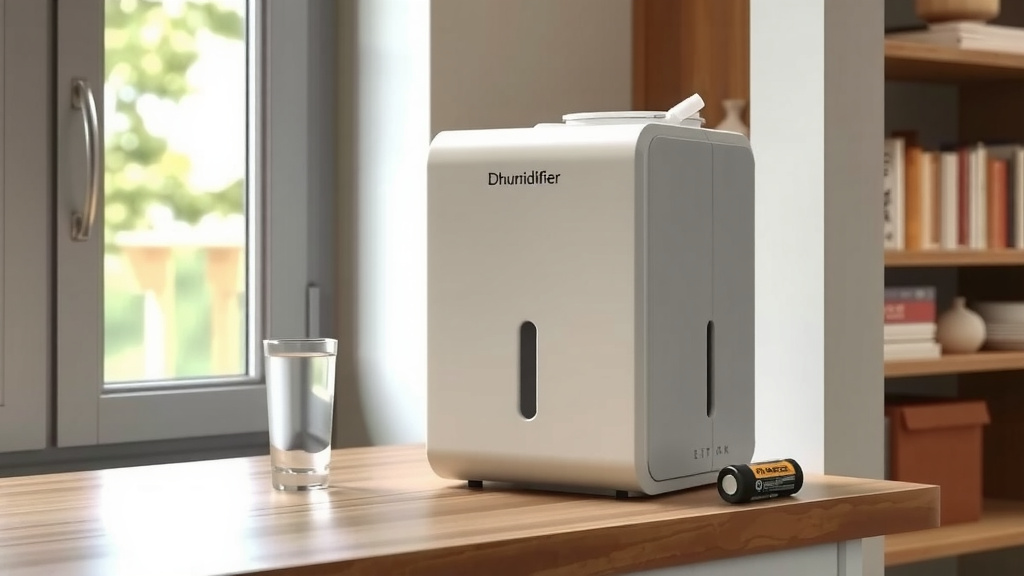
No, you absolutely should not use dehumidifier water in a battery. It contains impurities that can severely damage your battery and shorten its lifespan.
Dehumidifier water, while seemingly clean, lacks the essential purity required for battery maintenance, especially for lead-acid batteries.
- Dehumidifier water is NOT pure; it contains minerals and contaminants.
- Using it in a battery can cause corrosive build-up and reduce battery efficiency.
- Always use distilled water for batteries to ensure optimal performance.
- Battery manufacturers consistently recommend only distilled water.
- There are many safe, alternative uses for your dehumidifier water, just not in batteries.
Can You Use Dehumidifier Water in a Battery?
You might look at the water collected by your dehumidifier and think, “What a waste!” It seems clean, right? Perhaps you consider using it for various household tasks, and maybe even wonder if it could top off your car battery. Let’s get straight to the point: do not use dehumidifier water in any battery. It’s a common thought, but it’s a definite no.
What Exactly is Dehumidifier Water?
Your dehumidifier pulls moisture from the air. This moisture, or condensation, isn’t pure H2O. It picks up tiny airborne particles, dust, and even mold spores. Think of it as a microscopic sponge, collecting a little bit of everything in its path. So, while it looks clear, it’s a cocktail of dissolved solids.
When the dehumidifier works, water vapor turns back into liquid. This process itself doesn’t purify the water. Instead, it concentrates the impurities that were floating around in the air. So, it’s far from the clean, safe water your battery needs.
The Purity Problem: Why It Matters for Batteries
Batteries, especially traditional lead-acid ones, are quite sensitive. They require extremely pure water to function correctly and avoid damage. Any impurities can interfere with the chemical reactions inside the battery cells. This interference can lead to serious problems.
Introducing contaminants can disrupt the battery’s delicate balance. It’s like putting sand in a finely tuned engine. You wouldn’t do it, right? The same principle applies to your battery’s electrolyte solution. Purity is paramount for longevity.
Not Just Water: The Hidden Contaminants
The water from your dehumidifier can contain various dissolved minerals, metals, and even microorganisms. These elements are harmless for watering plants or cleaning floors, but they are disastrous for batteries. They can react with the battery’s internal components. We found that even tiny amounts can cause issues (Battery Council International).
These contaminants can cause corrosion on the battery plates. They can also create electrical shorts or build up deposits. This build-up prevents the battery from charging or discharging efficiently. It’s a slow, silent killer for your battery’s health. Always consider the source of your water.
Battery Types: Do They All React the Same?
While most of this discussion centers on lead-acid batteries, the general rule of avoiding impurities holds true for others. Different battery types have varying sensitivities, but none benefit from contaminated water. It’s best to know your battery and its specific needs.
It’s simple: when a battery calls for water, it means pure, distilled water. No shortcuts. Protect your investment by using the correct liquids. Ignoring this advice can be quite costly in the long run.
Lead-Acid Batteries: The Most Common Concern
Car batteries, golf cart batteries, and many backup power systems use lead-acid technology. These batteries consume water as part of their normal operation, especially in hot conditions. You need to top them off periodically. Many experts say that only distilled water should ever be used (Interstate Batteries).
The acids in these batteries react with the lead plates. Impurities like calcium, magnesium, or iron from dehumidifier water can interfere. They can form deposits on the plates, which reduces the battery’s capacity. This leads to premature battery failure.
Other Battery Types: A Different Story?
What about sealed batteries, like those in your phone or laptop? Or even some newer car batteries? These are usually “maintenance-free” and do not require water top-ups. You can’t even open them to add water. So, the question of adding dehumidifier water is irrelevant for them.
For any battery that does require water, the safest choice is always distilled. If you’re unsure, consult your owner’s manual. We found that manufacturer guidelines consistently recommend ultra-pure water for all serviceable batteries.
Why Distilled Water is the Gold Standard for Batteries
Distilled water is water that has been boiled into steam and then condensed back into liquid. This process leaves behind all the minerals, salts, and other impurities. It’s why it’s recommended for so many sensitive applications. It’s just H2O, nothing more.
When you use distilled water, you ensure there are no rogue elements messing with your battery’s chemistry. This means better performance and longer life for your battery. It’s a small investment that pays off big time in the end.
The Science of Distillation
Think of distillation as nature’s way of cleaning water. When water evaporates, it leaves behind dissolved solids. The steam that rises is pure water vapor. When that steam cools, it condenses back into pure liquid water. This natural process is mimicked in distillation.
This purification method is highly effective. It removes almost all dissolved solids. This makes distilled water incredibly inert, meaning it won’t react negatively with battery components. It’s the cleanest choice available.
Risks of Using Dehumidifier Water in Your Battery
Using dehumidifier water is like playing Russian roulette with your battery. The risks are very real and can be quite expensive. It’s not worth the small perceived saving. Here’s what can go wrong:
- Reduced battery capacity
- Increased self-discharge rate
- Corrosion of internal components
- Formation of damaging deposits
- Premature battery failure
- Voiding your battery warranty
These issues can shorten your battery’s life dramatically. You’ll end up replacing it much sooner than expected. Always prioritize proper maintenance to get the most out of your battery.
What Happens if You Already Used It?
Oops! Did you already add dehumidifier water? Don’t panic, but act quickly. If it was a small amount, the damage might be minimal, but it’s not ideal. The best thing to do is to monitor your battery closely.
If you’re worried, many experts suggest you might need to have the battery checked professionally. Some services can drain and refill the electrolyte with proper distilled water. This might help mitigate some of the damage. Seek expert advice if you are concerned.
Smart Uses for Your Dehumidifier Water
So, you can’t use it in your battery. But that doesn’t mean it’s useless! There are plenty of fantastic ways to reuse that collected water. It’s still a valuable resource, just not for sensitive electronics. Let’s explore some good options.
| Great Uses | Things to Avoid |
|---|---|
| Watering non-edible plants (like ornamentals) | Drinking or cooking |
| Flushing toilets | Cleaning contact lenses |
| Cleaning floors or outdoor surfaces | Medical devices |
| Washing your car | Steam irons (can leave mineral deposits) |
| Filling bird baths (change regularly) | Batteries (especially lead-acid) |
These uses help you conserve water and get value from your dehumidifier. You’re doing your part for the environment without risking your expensive electronics. Be resourceful and safe.
When in Doubt: Always Check Your Battery Manual
This advice applies to all your appliances and devices. The manufacturer’s manual is your ultimate guide. It contains specific instructions for care and maintenance. It will clearly state what type of water, if any, your battery needs.
Following these guidelines protects your warranty and ensures proper function. Don’t guess when it comes to battery maintenance. A few minutes reading the manual can save you a lot of hassle. Your manual is your friend.
Conclusion
It’s clear that using dehumidifier water in a battery is a big no-no. While it seems like a clever way to recycle, the impurities within that water are detrimental to battery health. Your battery, especially a lead-acid one, needs the pristine purity of distilled water to function properly and last its intended lifespan. Don’t risk costly damage or premature battery failure. Stick to manufacturer recommendations and use your dehumidifier water for other, more appropriate household tasks. Your battery will thank you for it, and you’ll avoid unnecessary headaches down the road.
Can I use filtered tap water instead of distilled water for my battery?
No, filtered tap water, even from advanced home filtration systems, still contains minerals and dissolved solids that are harmful to batteries. Filters often remove chlorine and sediment but not the microscopic dissolved minerals that cause problems in battery cells. Only distilled water has the purity level required.
How often should I check the water level in my car battery?
The frequency depends on several factors, including your driving habits, climate, and battery age. Many experts suggest checking lead-acid car batteries every three to six months. In hotter climates or with older batteries, you might need to check more frequently, perhaps every month or two, as evaporation increases. Always check your vehicle’s owner manual for specific recommendations.
Is rain water pure enough for batteries?
While rainwater is naturally distilled from the atmosphere, it collects pollutants and contaminants as it falls through the air and runs off surfaces. Dust, pollen, industrial pollutants, and other airborne particles can all be present in rainwater, making it unsuitable for battery use. It’s not nearly as pure as commercially distilled water.
What are the signs that my battery’s water level is low?
If your battery’s water level is low, you might notice the engine struggling to start or turning over slowly. Other signs can include a weaker horn, dimming headlights, or the battery warning light illuminating on your dashboard. Sometimes, you can visually inspect the battery cells if they are accessible and see the plates exposed to the air. Always check water levels before issues get serious.
Can using improper water void my battery warranty?
Yes, absolutely. Most battery manufacturers explicitly state in their warranty terms that using anything other than distilled water will void the warranty. They understand the critical role of water purity in battery longevity and performance. If you file a warranty claim and it’s discovered that non-distilled water was used, your claim will likely be denied.
