
Do Air Exchangers Dehumidify?
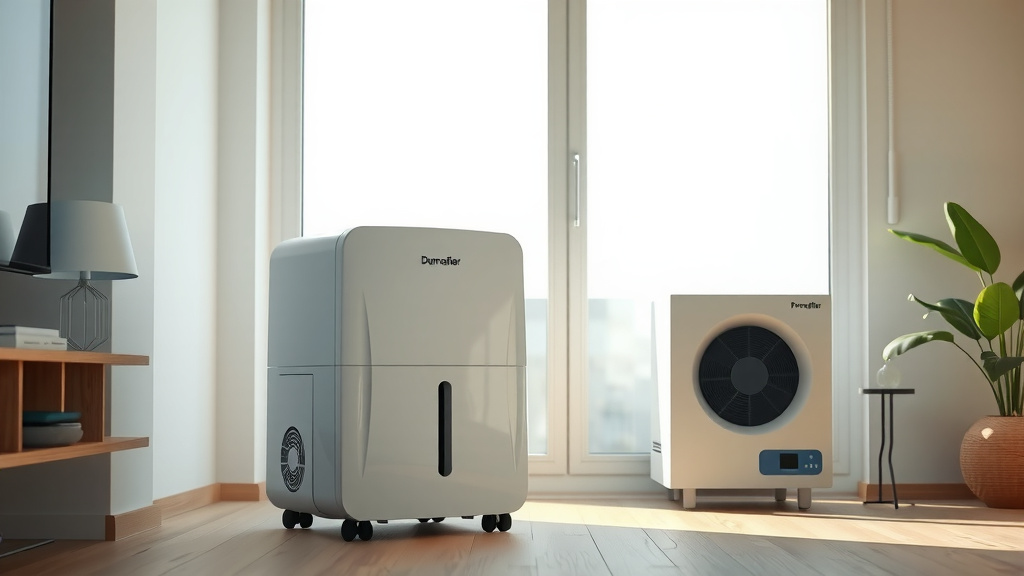
Air exchangers, especially Energy Recovery Ventilators (ERVs), can transfer some moisture between indoor and outdoor air, providing a minor dehumidifying effect. However, they are not designed to be primary dehumidifiers.
Their main purpose is to ventilate your home, bringing in fresh air while recovering heat or coolness. For significant humidity control, a dedicated dehumidifier is usually necessary.
- Air exchangers primarily provide fresh air, not dehumidification.
- ERVs (Energy Recovery Ventilators) transfer a small amount of moisture, offering slight relief.
- HRVs (Heat Recovery Ventilators) do not transfer moisture at all.
- For real humidity problems, a dedicated dehumidifier is your best friend.
- Combine systems for fresh air and precise humidity control in your home.
Do Air Exchangers Dehumidify?
No, not in the way a dedicated dehumidifier does. Air exchangers are designed for ventilation, bringing fresh air into your home.
While some types offer a minor moisture transfer, they won’t tackle serious humidity issues effectively.
Understanding Air Exchangers: What Are They For?
Think of an air exchanger as your home’s lungs. Its job is to replace stale indoor air with fresh outdoor air. This helps to remove odors, pollutants, and allergens from your living space.
We found that regular ventilation is vital for good indoor air quality (EPA).
HRV vs. ERV: Knowing the Difference
There are two main types of air exchangers: Heat Recovery Ventilators (HRVs) and Energy Recovery Ventilators (ERVs). Knowing their differences helps you understand their role with humidity.
They both bring in fresh air, but they handle energy and moisture differently.
Heat Recovery Ventilators (HRVs) and Humidity
HRVs transfer heat between incoming and outgoing air streams. During winter, they capture heat from your outgoing warm air to warm the fresh incoming cold air. This saves on heating costs.
When it comes to moisture, HRVs do not transfer it. They keep indoor humidity levels separate from outdoor humidity. This means an HRV will vent out moist indoor air, which can lower humidity, but it doesn’t pull moisture from the incoming air.
Energy Recovery Ventilators (ERVs) and Moisture Transfer
ERVs are a bit more sophisticated. Like HRVs, they transfer heat. But they also transfer moisture between air streams. This is where the confusion about dehumidification often starts.
During humid summers, an ERV can transfer some humidity from the incoming fresh air to the outgoing stale air. This helps keep your indoor air a little drier. However, research shows this is a limited moisture transfer, not true dehumidification.
Why Air Exchangers Aren’t Dedicated Dehumidifiers
Imagine trying to dry your clothes with a fan instead of a dryer. A fan moves air, which helps, but it doesn’t actively remove moisture from the fabric. Air exchangers are similar for humidity control.
Their primary airflow is for ventilation, not for conditioning the air specifically for moisture removal. Many experts say they lack the robust moisture removal capacity of a true dehumidifier (ASHRAE).
Signs Your Home Needs Real Dehumidification
Are you seeing tell-tale signs of too much moisture? Here are some clues to watch for:
- Condensation on windows or cold surfaces.
- A persistent musty or damp smell.
- Peeling paint or wallpaper.
- Mold or mildew growth on walls, ceilings, or fabrics.
- A general feeling of clamminess, even when the air temperature is comfortable.
If you notice these, your home likely needs more than an air exchanger can offer for humidity control.
When to Use an Air Exchanger
You should consider an air exchanger if you have a tightly sealed, energy-efficient home. Modern homes are great at keeping conditioned air in, but they can also trap stale air and pollutants.
An air exchanger ensures a continuous supply of fresh, filtered air without wasting too much heating or cooling. It’s excellent for improving overall indoor air quality.
When to Use a Dedicated Dehumidifier
A dedicated dehumidifier is the champion for fighting high humidity. You need one if your indoor humidity consistently stays above 50-60%. This is common in basements, laundry rooms, or homes in naturally humid climates.
These units actively pull moisture from the air, collecting it in a reservoir or draining it away. They are designed for significant moisture extraction.
The Benefits of Proper Humidity Control
Maintaining optimal indoor humidity (usually 30-50%) offers many advantages. It makes your home more comfortable, reducing that clammy feeling. It also helps preserve your home’s structure.
More importantly, we found that proper humidity levels can deter the growth of mold, mildew, and dust mites (CDC). This creates a healthier environment for everyone in your family.
Combining Solutions for Best Results
The best approach often involves using both systems. An ERV provides essential fresh air while offering minimal moisture assistance. A separate dehumidifier then handles any remaining excess humidity.
Think of it as having both a fresh air system and a moisture manager. They work together to create a perfectly balanced indoor environment.
Table: Air Exchanger vs. Dehumidifier Functions
| Feature | HRV (Heat Recovery Ventilator) | ERV (Energy Recovery Ventilator) | Dedicated Dehumidifier |
|---|---|---|---|
| Primary Function | Ventilation, heat recovery | Ventilation, heat & moisture recovery | Moisture removal |
| Moisture Transfer | No (vents moist air out) | Limited transfer (some moisture removed from incoming air) | High capacity removal |
| Impact on Humidity | Indirect reduction by venting | Minor reduction | Significant reduction |
| Air Quality Improvement | High (fresh air) | High (fresh air) | Indirect (prevents mold) |
Maintenance Tips for Your Systems
Just like any appliance, your air exchanger and dehumidifier need some care. Regular maintenance ensures they run efficiently. This means they can keep your home healthy and comfortable.
Neglecting maintenance can lead to reduced performance and higher energy bills.
Air Exchanger Checklist: Keeping It Fresh
To keep your air exchanger working well, follow these simple steps:
- Clean or replace filters regularly (every 3-6 months).
- Check and clean the core annually.
- Ensure exterior vents are clear of debris.
- Inspect condensate drains for blockages.
- Keep the area around the unit clean.
Dehumidifier Care: Battling Moisture Effectively
Your dehumidifier also needs a bit of love. These actions will help it thrive:
- Empty the water reservoir frequently.
- Clean or replace the air filter monthly.
- Clean the coils with a soft brush or vacuum.
- Ensure clear airflow around the unit.
- Check the drain hose for clogs if applicable.
Conclusion
Air exchangers, especially ERVs, play a minor role in moisture management. They are fantastic for providing fresh air and improving overall indoor air quality. However, they are not a substitute for a dedicated dehumidifier when you have high humidity.
For a truly comfortable and healthy home, consider using both systems. An air exchanger handles your fresh air needs, while a dehumidifier tackles excess moisture directly. This combined approach gives you the best of both worlds: clean, fresh air and optimal humidity control.
Is an ERV enough for basement humidity?
An ERV is usually not enough for basement humidity. Basements often have unique moisture challenges due to their below-grade construction. A dedicated dehumidifier is almost always necessary to effectively control humidity levels in a basement, preventing mold and musty odors.
Can an HRV make my house too dry in winter?
Yes, an HRV can sometimes make your house too dry in the winter. Since HRVs do not transfer moisture, they vent out existing indoor humidity along with stale air. If your home is already dry, this can further reduce indoor moisture, leading to discomfort. Adding a humidifier might be needed.
What is the ideal indoor humidity level?
The ideal indoor humidity level is generally between 30% and 50%. Maintaining this range helps prevent mold growth, dust mites, and discomfort. It also protects your home’s structure and furnishings from moisture damage or excessive dryness (NIH).
Do air exchangers use a lot of electricity?
Air exchangers are generally energy-efficient, using less electricity than many other HVAC components. Their primary function is to recover heat or energy, which minimizes the energy needed to condition incoming fresh air. Actual consumption depends on the model and fan speed settings.
Should I run my dehumidifier all the time?
Whether you run your dehumidifier all the time depends on your home’s specific humidity levels. In naturally humid climates or damp areas like basements, continuous operation might be necessary. However, if humidity levels are stable within the 30-50% range, you can use it intermittently or with a humidistat setting.
