
Do All Dehumidifiers Have Filters?
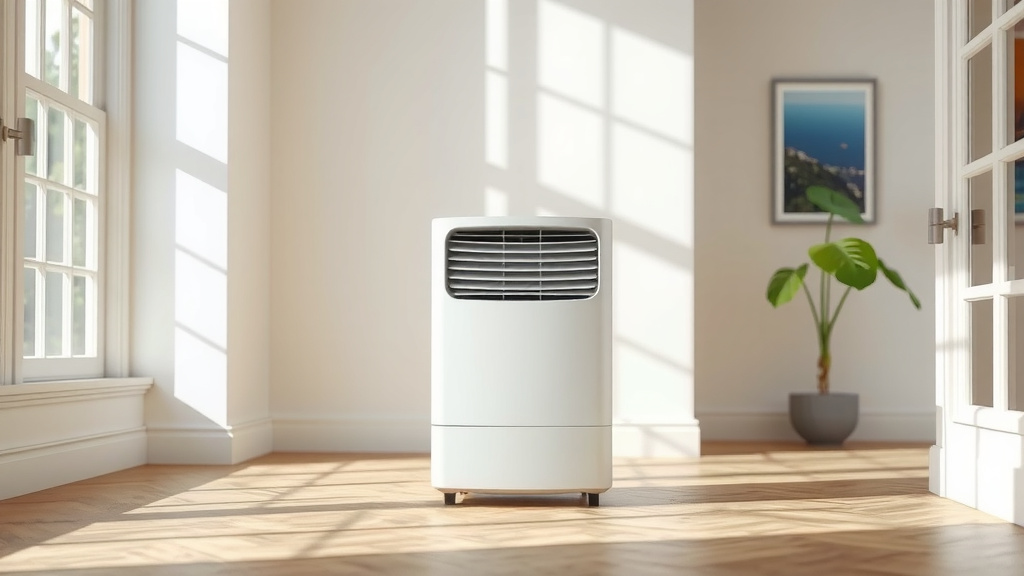
No, not all dehumidifiers have filters.
While most modern dehumidifiers include a filter for air quality and machine longevity, some basic or older models might operate without one.
Here’s a quick summary if you’re short on time:
- Most modern dehumidifiers come equipped with filters for better air quality.
- Filters help protect the machine’s internal components from dust and debris.
- Not all dehumidifiers have filters, especially older or very basic units.
- Regular filter cleaning or replacement is vital for efficiency and healthy air.
- Choosing a model with a good filter can significantly improve your indoor environment.
Do All Dehumidifiers Have Filters?
The straightforward answer is no, not every single dehumidifier comes with a filter.
However, the vast majority of new models you’ll find today do include one, and for good reasons.
Why Most Modern Dehumidifiers Include Filters
You might wonder why filters became so common. It’s a simple case of improving performance and user experience.
Manufacturers recognized the dual benefits filters offer for both the appliance and your home environment.
Protecting Your Dehumidifier’s Lifespan
Think of the filter as a bouncer for your dehumidifier. It stops dust, pet dander, and other airborne particles from getting inside.
Without this protection, these tiny invaders can clog coils and internal parts, leading to reduced efficiency and premature wear (Consumer Reports).
Improving Your Indoor Air Quality
Beyond protecting the machine, filters play a role in the air you breathe. They capture particles that might otherwise recirculate in your home.
While not an air purifier, a good filter contributes to a cleaner, healthier living space, especially important for those with allergies (EPA).
Different Types of Dehumidifier Filters You Might Find
Just like cars have different tire types, dehumidifiers come with various filters. Each offers a different level of protection and benefit.
Understanding these can help you decide what’s best for your home.
The Basic Mesh Filter
Most common are the basic mesh filters. These are typically washable and reusable.
They’re great at catching larger dust particles and lint, acting as the first line of defense for your appliance.
Specialized Carbon and HEPA-Style Options
Some premium dehumidifiers go a step further. We found models featuring activated carbon filters, which help with odors, or HEPA-style filters.
HEPA-style filters can trap much smaller particles, offering a significant boost to air purification efforts (American Lung Association).
Understanding Dehumidifiers Without Filters
So, if filters are so good, why would any dehumidifier lack one? It often comes down to design, cost, or age.
It’s like choosing between a basic model and one with all the bells and whistles.
When You Might See Filterless Models
Older dehumidifiers, particularly those from decades past, often didn’t include filters as a standard feature.
You might also find very basic, low-cost dehumidifiers that skip the filter to keep the price down.
The Risks of Operating Without a Filter
Running a dehumidifier without any filter protection comes with a few downsides. Your machine is more vulnerable to dust buildup.
This means you might see it work harder, use more energy, or even fail sooner than a filtered model.
Maximizing Benefits: The Role of a Clean Filter
Having a filter is only half the battle. A dirty filter is like trying to breathe through a clogged nose—it just doesn’t work well.
Regular maintenance ensures your dehumidifier runs at its best and your air stays cleaner.
Simple Steps for Dehumidifier Filter Maintenance
Keeping your filter clean is surprisingly easy. Most washable filters only need a quick rinse and dry.
For disposable types, a quick swap makes all the difference. We found that this simple act can extend your unit’s life by years.
- Check your filter every 2-4 weeks during heavy use.
- Unplug the dehumidifier before touching the filter.
- Gently remove the filter from its slot.
- Rinse washable filters under cool tap water.
- Let the filter air dry completely before reinserting.
- Replace disposable filters as recommended by the manufacturer.
- Ensure the filter is seated properly before restarting.
Deciding: Filtered vs. Filterless Dehumidifier
When buying, should you prioritize a filter? Many experts say yes, especially if indoor air quality is a concern.
Here’s a quick comparison to help you weigh your options:
| Feature | Filtered Dehumidifier | Filterless Dehumidifier |
|---|---|---|
| Air Quality Contribution | Helps capture dust, dander, pollen. | Primarily for humidity; no air cleaning. |
| Machine Longevity | Protects internal components, extends life. | More vulnerable to dust, potentially shorter life. |
| Maintenance | Regular cleaning/replacement needed. | Less user maintenance, but internal cleaning might be harder. |
| Cost | Generally higher initial cost, filter replacement. | Often lower initial cost. |
| Efficiency | Maintains efficiency with clean filter. | Efficiency can drop quickly with internal dust buildup. |
Conclusion
While not every dehumidifier has a filter, it’s clear that most modern units do, and for good reason.
Filters protect your appliance, improve indoor air quality, and contribute to a healthier home environment.
When choosing a dehumidifier, consider the long-term benefits of a model with a good filter and commit to its simple maintenance.
Your dehumidifier, and your lungs, will thank you.
How often should I clean or replace my dehumidifier filter?
For washable filters, aim to clean them every 2-4 weeks if your dehumidifier is in constant use, or monthly otherwise. Disposable filters should be replaced every 3-6 months, or as indicated by the manufacturer or an indicator light on your unit.
Can I run my dehumidifier without a filter?
While some older or very basic models are designed to run without a filter, it’s not recommended for models that originally came with one. Running a filtered unit without its filter can expose internal components to dust, shortening its lifespan and reducing its efficiency.
Do dehumidifier filters also remove mold spores?
Basic mesh filters primarily catch larger particles like dust and pet dander. More advanced filters, like HEPA-style filters found in some dehumidifiers, can trap smaller particles including some mold spores. However, a dehumidifier’s main role is to prevent mold growth by reducing humidity, not to purify the air of existing spores.
Are washable dehumidifier filters as effective as disposable ones?
Washable mesh filters are generally effective at capturing larger particles and are more environmentally friendly. Disposable filters, especially pleated paper or activated carbon types, often offer finer filtration for smaller particles or odors. The “best” depends on your specific needs and the type of airborne contaminants in your home.
What happens if I don’t clean my dehumidifier filter?
Neglecting your dehumidifier filter can lead to several problems. The most common issues include reduced airflow, decreased dehumidifying efficiency, increased energy consumption, and premature wear on the unit’s motor and coils. It can also lead to a musty smell if dust and debris build up and get damp.
