
Do All Homes Need a Dehumidifier?
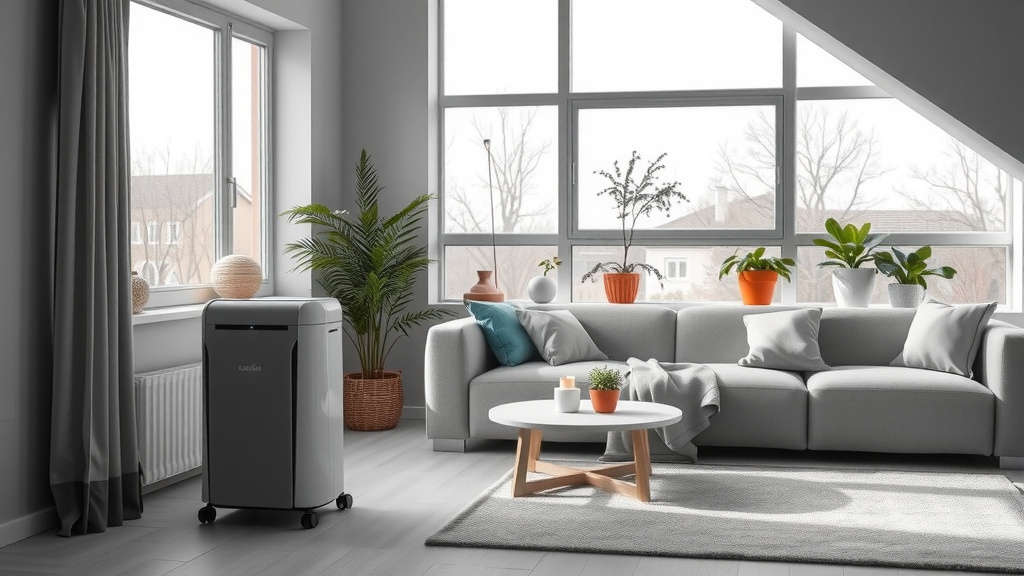
No, not all homes need a dehumidifier, but many benefit significantly from one, especially in humid climates or specific indoor environments. You need a dehumidifier if your home consistently shows signs of excess moisture.
A dehumidifier becomes a must-have when your indoor air feels sticky, you notice condensation on windows, or detect a musty smell. It helps control moisture, preventing issues like mold growth, dust mites, and discomfort.
- The need for a dehumidifier depends on your home’s humidity levels and local climate.
- Look for signs like sticky air, condensation, or musty smells to know if you need one.
- Maintaining optimal indoor humidity protects your home and improves your health.
- Simple tools like a hygrometer help you measure and manage moisture effectively.
- There are various dehumidifier types to suit different home sizes and needs.
Do All Homes Need a Dehumidifier?
You might be wondering if your home is one of those that needs a dehumidifier. The short answer is no, not every single home requires one. It truly depends on your specific environment and the conditions inside your living space.
However, a great many homes across various regions could certainly benefit from the air-drying powers of a dehumidifier. It is about understanding your home’s unique needs.
What is Humidity and Why Does it Matter?
Humidity is simply the amount of water vapor floating in the air around you. When the air holds too much moisture, we call it high humidity. This can make your home feel muggy and hot, even when the temperature is not that high.
Controlling humidity is important for both your comfort and the health of your home. It can influence everything from how fresh your air feels to the longevity of your belongings. We found that maintaining proper levels is key.
Ideal Humidity Levels for Your Home
Many experts agree that the ideal relative humidity level inside your home should stay between 30% and 50% (EPA). Going above or below this range can lead to various problems. This sweet spot keeps things comfortable and safe.
Keeping your home in this range helps prevent issues related to either too much or too little moisture. It is like finding the perfect balance for a healthy indoor environment.
Signs Your Home Might Need a Dehumidifier
How do you know if your home has too much moisture? Your home often gives you clues. Paying attention to these signs can help you decide if a dehumidifier is right for you. It is about listening to what your living space tells you.
Feeling Sticky and Uncomfortable
Do you often feel a bit sticky or clammy indoors, even when the air conditioning is running? This is a classic sign of high humidity. The air feels heavy, and your skin cannot release moisture easily.
When the air is too wet, your body struggles to cool itself down through sweat evaporation. This makes you feel hotter and less comfortable than you should be. Many people describe this as simply feeling “muggy.”
Musty Odors and Mildew
Have you ever walked into a room and noticed a distinct, earthy, or stale smell? This often points to mold or mildew growth in hidden spots. These odors are often the first sign of trouble.
Mold and mildew thrive in damp environments. They can grow behind walls, under carpets, or in crawl spaces, releasing those unpleasant smells. Research often connects these odors to moisture issues (CDC).
Visible Condensation
Take a look at your windows, especially in cooler weather. Do you see moisture droplets or fogging on the inside panes? This is condensation, and it signals too much humidity indoors.
Condensation can also appear on cold pipes, mirrors, or even walls. This moisture can damage surfaces over time, leading to peeling paint or warped wood. It is a visual red flag for your home.
Allergy or Asthma Symptoms Worsening
If you or a family member experience increased allergy or asthma symptoms while at home, high humidity could be a factor. Elevated moisture levels promote common allergens.
Dust mites, mold spores, and other irritants love humid conditions. Keeping humidity down can greatly reduce their populations, bringing relief to sensitive individuals. Many experts confirm this connection (Mayo Clinic).
Where Does Excess Humidity Come From?
You might wonder how all this extra moisture gets into your home. It is often from everyday activities. Simple things we do can add significant amounts of water vapor to the air.
Activities like showering, cooking, doing laundry, and even breathing release moisture. Leaky pipes, damp basements, or a rainy climate also contribute. Even houseplants release some moisture.
The Science Behind Humidity Problems
High humidity creates a perfect breeding ground for various unwelcome guests and problems. It is not just about feeling uncomfortable; it is about creating an environment where certain things thrive. Understanding this science helps in management.
Mold and Mildew Growth Explained
Mold and mildew are types of fungi that need moisture to grow. When relative humidity stays above 60% for extended periods, they find it much easier to spread. They are like uninvited guests who love a damp party.
These fungi can cause structural damage to your home and release spores into the air. These spores can trigger allergies and respiratory problems for many people (NIH). Controlling moisture stops them.
Dust Mite Proliferation
Dust mites are tiny creatures that feed on dead skin cells. They are a common trigger for allergies and asthma. These microscopic pests flourish when humidity levels are high.
Research indicates that keeping humidity below 50% can greatly reduce dust mite populations. Without enough moisture, they cannot reproduce effectively and struggle to survive. This helps keep your home cleaner.
Checking Your Home’s Humidity: Easy Steps
To accurately gauge your home’s humidity, you can use a simple tool called a hygrometer. These small, affordable devices measure the relative humidity in a room. They are straightforward to use.
Just place it in various rooms, especially damp areas like basements or bathrooms. After about 30 minutes, it will give you a reading. This simple step provides factual data for your decision.
Choosing the Right Dehumidifier for You
If you determine your home needs a dehumidifier, the next step is choosing the right one. They come in various sizes and types, each suited for different needs. Thinking about your space helps guide your choice.
Consider the size of the area you need to dehumidify and the level of humidity present. This helps you select a model with the right capacity. A bigger space or higher humidity means you will need a larger unit.
| Dehumidifier Type | Best For | Key Advantages |
|---|---|---|
| Portable Units | Single rooms, basements, small apartments | Flexible placement, easy setup, lower initial cost |
| Whole-House Units | Entire homes, integrated with HVAC system | Consistent humidity control, less maintenance, quiet operation |
Portable Dehumidifiers: Pros and Cons
Portable dehumidifiers are great for tackling specific damp spots like a basement, laundry room, or a humid bedroom. You can move them wherever they are needed most. They are a flexible solution.
They typically have a water reservoir that you need to empty regularly. Some models offer a continuous drain option if you have access to a floor drain. Their power varies, so match it to your room size.
Whole-House Dehumidifiers: A Different Approach
For consistent humidity control throughout your entire home, a whole-house dehumidifier might be a better choice. These units integrate directly into your existing HVAC system. They work quietly and out of sight.
This type offers a more hands-off solution, continuously managing humidity levels for every room connected to your air ducts. They typically drain automatically, so there is no bucket to empty. We found these offer great convenience.
Benefits of Maintaining Optimal Humidity
Keeping your home’s humidity in the ideal range offers a wealth of advantages. It is not just about comfort; it is about creating a healthier and more pleasant living space. These benefits extend to your health and home itself.
- Improved Air Quality: Fewer allergens like mold and dust mites.
- Better Sleep: A more comfortable environment promotes restful sleep.
- Reduced Odors: Eliminates musty smells linked to dampness.
- Protect Your Belongings: Prevents damage to wood, electronics, and fabrics.
- Lower Energy Bills: Drier air feels cooler, so you might use less AC.
- Fewer Pests: Some insects prefer humid conditions, which can be deterred.
Dehumidifier Placement and Maintenance Tips
Once you have your dehumidifier, proper placement and regular maintenance are key to its efficiency. Placing it strategically makes a big difference in how well it works. A little care goes a long way.
Place your dehumidifier in the center of the most humid room, away from walls and furniture to allow for good airflow. Remember to clean the air filter regularly, usually once a month, for optimal performance. Empty the water bucket as needed or set up continuous drainage.
Conclusion
While not every home needs a dehumidifier, many homes can significantly benefit from one. Your specific climate, home structure, and daily activities play a big part in determining this need. By understanding the signs of excess humidity and taking simple steps to measure it, you can make an informed choice.
Ultimately, a dehumidifier is a powerful tool for creating a healthier, more comfortable, and longer-lasting home environment. Paying attention to your indoor air quality is an investment in your well-being and your home’s integrity.
Is a Dehumidifier Expensive to Run?
The cost to run a dehumidifier depends on its size, efficiency, and how often you operate it. Smaller, energy-efficient models can be quite economical. Many modern units have smart sensors that turn them off when the desired humidity is reached, saving power. We found that the long-term benefits of preventing mold and protecting your home often outweigh the running costs.
Can a Dehumidifier Help with Pests?
Yes, indirectly, a dehumidifier can help deter some common household pests. Many insects, like silverfish, cockroaches, and even spiders, prefer high-humidity environments. By reducing moisture, you make your home less hospitable for these critters. It removes a key element they need to thrive, making your space less attractive to them.
How Long Should I Run My Dehumidifier Each Day?
You should run your dehumidifier until the indoor humidity reaches your desired level, typically between 30% and 50%. Many units have a humidistat that allows you to set a target humidity, and the machine will cycle on and off automatically to maintain it. In very humid conditions, you might need to run it continuously at first to bring levels down.
What’s the Difference Between a Dehumidifier and an Air Purifier?
A dehumidifier removes moisture from the air, making it feel less damp and preventing humidity-related problems like mold. An air purifier, on the other hand, cleans the air by filtering out particles like dust, pollen, pet dander, and odors. While both improve indoor air quality, they tackle different aspects: one controls moisture, the other cleans particles.
Does Opening Windows Help with Humidity?
Opening windows can help with indoor humidity if the outdoor air is drier than the indoor air. For example, on a cool, dry day, it might help air out your home. However, if it is hot and humid outside, opening windows will only bring more moisture into your home, making the problem worse. Always check outdoor humidity before deciding to open windows to combat indoor dampness.
