
Are Crawl Space Dehumidifiers Worth It?
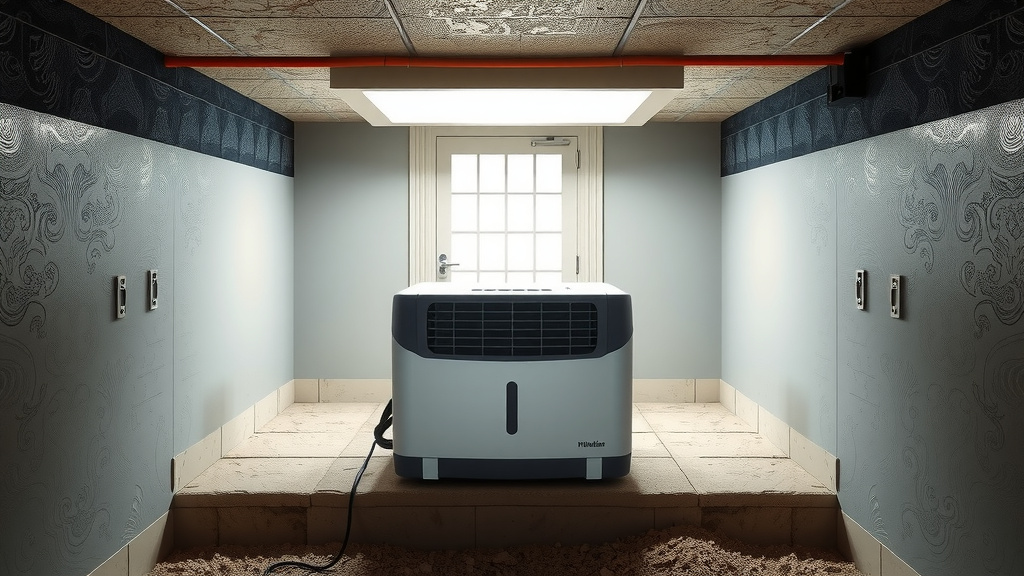
Yes, crawl space dehumidifiers are often a smart investment to protect your home from moisture damage and improve indoor air quality.
They actively control humidity, preventing mold, mildew, wood rot, and pest infestations that thrive in damp crawl spaces.
- A crawl space dehumidifier is a powerful defense against moisture problems in your home.
- It helps prevent costly repairs from mold, wood rot, and pest damage by keeping humidity levels low.
- You’ll likely notice better indoor air quality throughout your living spaces, as the air often travels upwards from the crawl space.
- While there’s an initial cost, the long-term benefits for your home’s integrity and your family’s health often outweigh the expense.
- It’s a practical step for many homeowners to create a drier, healthier home environment.
Are Crawl Space Dehumidifiers Worth It?
For many homeowners, a crawl space dehumidifier is a really good idea. It helps keep your home safe and healthy from unseen moisture issues.
You might be asking, “Do I really need one?” The simple answer often depends on your home’s specific situation. High humidity below your living space can cause many problems.
Why Your Crawl Space Needs Attention
Think of your crawl space as the lungs of your home. Any air down there can easily move up into your main living areas. If that air is damp, you’re breathing it in.
Damp crawl spaces are unfortunately quite common. They are often dark and poorly ventilated, creating an ideal breeding ground for several unwelcome guests and issues.
Common Problems from Damp Crawl Spaces
Excess moisture can lead to serious headaches. We found that consistently high humidity, usually above 50-60%, can harm your home’s structure and your health (Environmental Protection Agency).
- Mold and Mildew Growth: These fungi love damp, dark places. They can produce spores that spread throughout your home, causing respiratory issues.
- Wood Rot: Your home’s wooden beams and floor joists are at risk. Constant moisture causes wood to decay, weakening your home’s foundation.
- Pest Infestations: Critters like termites, cockroaches, and rodents are attracted to damp environments. Your crawl space becomes a cozy home for them.
- Poor Indoor Air Quality: Musty odors from mold and mildew travel upwards. This means the air you breathe inside your home can be less fresh and potentially unhealthy.
- Increased Energy Bills: Damp air feels heavier and requires more energy to heat or cool. Your HVAC system works harder, costing you more money.
How a Dehumidifier Helps Your Home
A crawl space dehumidifier acts like a mini-hero for your home’s foundation. It removes excess moisture from the air, bringing humidity down to a healthy level.
Imagine your crawl space drying out. The musty smell disappears. The air feels lighter. That’s the power of consistent moisture control.
Beyond Just Removing Water
It’s not just about taking water out of the air. It’s about creating an environment where problems can’t start. This proactive step helps protect your biggest investment.
We found that maintaining humidity between 30% and 50% is ideal for preventing mold growth and pest activity (American Society of Heating, Refrigerating and Air-Conditioning Engineers).
Key Benefits of a Crawl Space Dehumidifier
Let’s look at the direct advantages you gain. These benefits often extend far beyond the crawl space itself, improving your entire home.
| Benefit Area | Without Dehumidifier | With Dehumidifier |
|---|---|---|
| Mold & Mildew | High risk of growth, musty odors | Significantly reduced risk, cleaner air |
| Structural Integrity | Wood rot, weakened supports | Protected wood, stronger foundation |
| Indoor Air Quality | Allergens, poor air, musty smell | Improved air, fewer allergens |
| Pest Control | Attracts termites, rodents | Less appealing environment for pests |
| Energy Costs | Higher HVAC workload, more expense | More efficient HVAC, potential savings |
What to Look for in a Crawl Space Dehumidifier
Choosing the right unit is important. You want something durable and efficient for a space that isn’t typically visited often.
Consider factors like capacity (how much moisture it can remove), energy efficiency, and features like automatic drainage, which saves you from emptying a bucket.
Dehumidifier Checklist
- Is it specifically designed for crawl spaces (robust, often self-draining)?
- Does it have enough capacity for your space (measured in pints per day)?
- Is it energy efficient (look for Energy Star ratings)?
- Does it have an automatic humidistat to maintain desired humidity?
- Does it offer a drainage option to avoid manual emptying?
- Is it easy to install and maintain?
The Cost Factor: Is It Really Worth It?
Yes, there’s an upfront cost for the unit and installation. However, consider the potential savings. A repair for severe mold or wood rot can cost thousands.
Many homeowners find that the peace of mind and prevention of expensive repairs make the investment quite sensible. It’s like buying insurance for your home’s health.
Installation and Maintenance Tips
Proper installation is key for the dehumidifier to work effectively. Many experts say it’s best to install it after your crawl space has been properly sealed or “encapsulated.”
Maintenance is usually simple. You’ll typically need to clean or replace the air filter regularly. If you have an automatic drainage system, there’s little else to do.
When Might You Not Need One?
If your crawl space is already perfectly dry, sealed, and properly ventilated with very low humidity, you might not need a dehumidifier. But this is rare for most homes.
It’s always a good idea to have a professional inspection. They can assess your specific situation and tell you if a dehumidifier is the right choice for you.
Conclusion
So, are crawl space dehumidifiers worth it? For the vast majority of homes, the answer is a resounding yes. They are a powerful tool against moisture, protecting your home’s structure and improving your indoor air quality.
Investing in a dehumidifier is investing in your home’s long-term health and your family’s comfort. It’s a smart decision for creating a drier, healthier living environment.
What is the ideal humidity level for a crawl space?
The ideal humidity level for a crawl space is generally between 30% and 50%. Keeping it within this range helps stop mold growth, deter pests, and protect wooden structures from damage.
How much does a crawl space dehumidifier cost?
The cost of a crawl space dehumidifier can vary widely, from a few hundred dollars to over a thousand, depending on its capacity and features. Installation costs might be additional if you hire a professional.
Can a crawl space dehumidifier lower my energy bills?
Yes, often a crawl space dehumidifier can help lower energy bills. Damp air is harder to heat and cool, making your HVAC system work harder. By removing excess moisture, the dehumidifier can make your heating and cooling more efficient.
How long do crawl space dehumidifiers typically last?
With proper maintenance, a good quality crawl space dehumidifier can last anywhere from 5 to 10 years, or even longer. Regular filter cleaning and checking the drainage system can help extend its lifespan.
Is encapsulation necessary with a crawl space dehumidifier?
While not strictly “necessary” in every single case, encapsulating your crawl space is highly recommended when using a dehumidifier. Encapsulation seals the space, making the dehumidifier much more effective and efficient, as it isn’t fighting against outside moisture constantly entering.
