Do Candles Help Dehumidify?
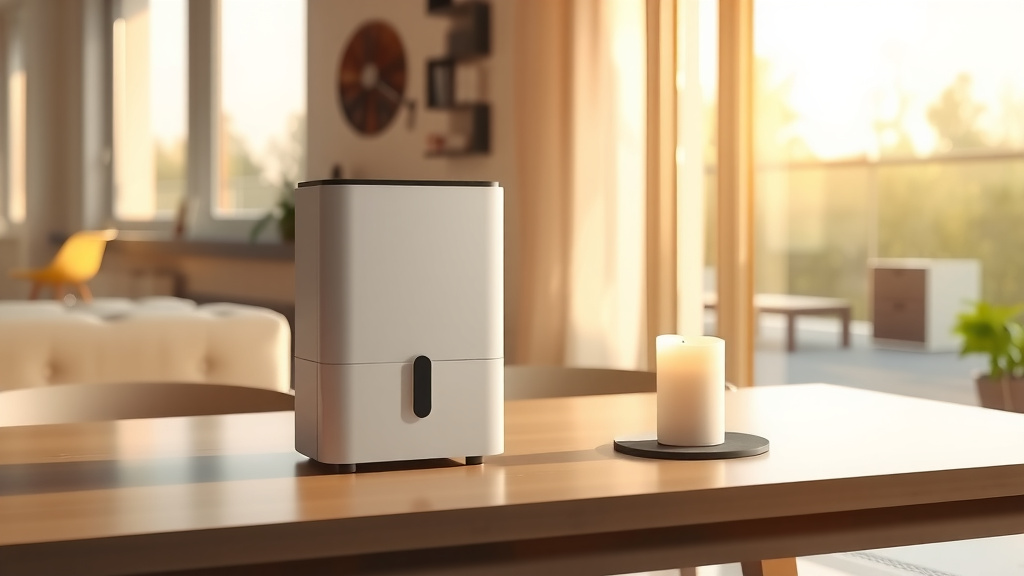
No, candles do not help dehumidify your home; in fact, burning candles actually releases moisture into the air.
Instead of removing humidity, candles can contribute to higher indoor humidity levels, making existing dampness problems worse.
- Candles create water vapor as they burn, increasing humidity.
- This added moisture can lead to mold, mildew, and stale air.
- Paraffin candles, especially, release more moisture and soot.
- True dehumidification requires proper ventilation or a dedicated dehumidifier.
- Relying on candles for humidity control is ineffective and counterproductive.
Do Candles Help Dehumidify?
You might wonder if those lovely flickering candles can do more than just set a mood. Many people ask, “Do candles help dehumidify?” The straightforward answer is no. Candles do not remove moisture from the air; they actually add to it.
When a candle burns, it undergoes a combustion process, releasing water vapor into your home. This means if you are struggling with high humidity, lighting candles will only make the problem worse, not better. It is a common misconception, but the science is clear.
Why Do People Think Candles Dehumidify?
It is easy to see why this belief might arise. A burning candle creates heat, and we often associate heat with drying things out. Think about how a warm sunny day helps dry clothes.
However, the localized heat from a small candle is not enough to dry out a room. Instead, the chemical reaction of burning fuel takes center stage. It is a common misunderstanding of how combustion really works.
The Science Behind Burning Candles and Moisture
When you light a candle, the wax (typically paraffin, soy, or beeswax) is the fuel. As the wick burns, it melts the wax, which then vaporizes and reacts with oxygen in the air. This process, called combustion, produces several byproducts.
The main byproducts are carbon dioxide and, crucially, water vapor. This water vapor is released directly into your indoor air. So, instead of absorbing moisture, your cozy candle is actively contributing to the humidity levels.
Paraffin Candles: A Hidden Source of Humidity?
Most commercially available candles are made from paraffin wax. Paraffin is a petroleum-based product. When paraffin burns, its molecular structure breaks down and combines with oxygen.
This chemical reaction always yields water molecules. So, burning a paraffin candle literally adds water to the air around you. It is a fundamental part of the burning process, making them a direct source of unwanted humidity.
Do Scented Candles Make a Difference?
The type of wax used in scented candles still determines their impact on humidity. Whether it is a delightful lavender or a fresh linen scent, the core combustion process remains the same. The fragrance oils themselves do not change this.
Scented candles will also release water vapor. Beyond that, some scented candles can release volatile organic compounds (VOCs) and particulate matter. These can irritate airways, especially in humid, stuffy environments, as research often connects poorer air quality with respiratory issues (NIH).
The Unwanted Side Effects of Candle Humidity
Increasing your indoor humidity, even slightly, can have several negative consequences. High humidity creates an ideal breeding ground for mold and mildew. You might notice a musty smell or even visible black spots on walls or ceilings.
Excess humidity also makes your home feel clammy and uncomfortable. It can damage wooden furniture, warp floors, and even lead to peeling paint. We found that maintaining optimal humidity levels is key for both comfort and home preservation.
How Much Moisture Do Candles Really Add?
While a single candle might not turn your living room into a rainforest, multiple candles burning for extended periods certainly add up. Think of it like a small, slow leak – individually, it is minor, but over time, it creates a significant puddle.
Many experts say that continuously burning candles can measurably increase the relative humidity in a sealed room. This effect is especially noticeable in smaller spaces or homes already struggling with dampness.
Real Solutions for Humidity Control
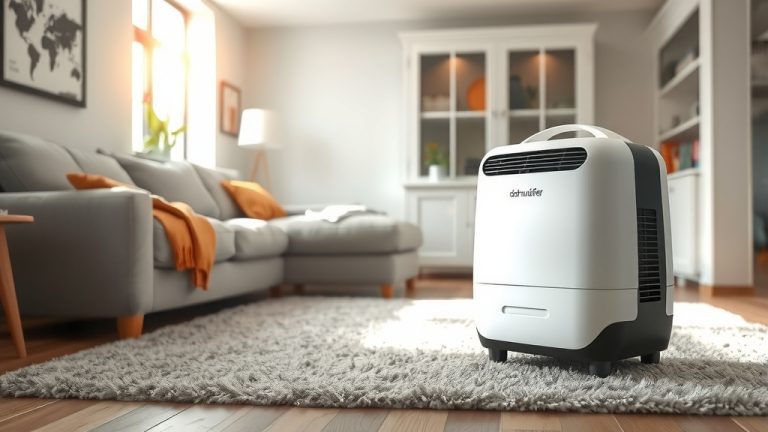
If you are serious about reducing humidity, you need effective strategies. The most direct approach is using a dehumidifier. These appliances are specifically designed to extract moisture from the air.
Proper ventilation is also key. Using exhaust fans in bathrooms and kitchens, opening windows when the outdoor air is dry, and ensuring good airflow throughout your home can make a big difference. These methods actively remove or prevent moisture buildup.
Understanding Different Dehumidifier Types
Choosing the right dehumidifier for your home depends on various factors. There are primarily two types: compressor and desiccant dehumidifiers.
Here is a quick comparison:
| Feature | Compressor Dehumidifiers | Desiccant Dehumidifiers |
|---|---|---|
| How they work | Cool air over coils, condense moisture | Absorb moisture with a desiccant material |
| Best for | Warmer environments (above 65°F) | Colder environments (below 65°F) |
| Energy use | More efficient in warm, less in cold | Consistent energy use, good in cold |
| Noise level | Can be louder (like a fridge) | Generally quieter |
| Portability | Often heavier, but many portable models | Lighter, very portable |
When to Consider a Dehumidifier
You might need a dehumidifier if you notice certain signs. These include a constant clammy feeling, condensation on windows, or a persistent musty odor. Visible mold spots are also a clear indicator.
Additionally, if you have allergies or asthma, lowering humidity can help reduce triggers like dust mites and mold spores (Mayo Clinic). A healthy indoor humidity level typically falls between 30% and 50%.
Simple Habits to Keep Humidity Low
Beyond appliances, adopting a few simple habits can help manage humidity in your home:
- Ventilate bathrooms: Always use exhaust fans during and after showers.
- Use kitchen fans: Turn on your range hood when cooking to remove steam.
- Fix leaks promptly: Even small leaks add significant moisture to your home.
- Dry clothes outdoors: If possible, avoid drying laundry indoors, especially without ventilation.
- Increase air circulation: Open doors between rooms and use fans to move air around.
- Keep plants in check: Too many houseplants can increase indoor humidity.
What About Air Purifiers? Are They Dehumidifiers?
It is important to distinguish between air purifiers and dehumidifiers. An air purifier cleans the air by removing particulates, allergens, and pollutants. Think of it as a filter for your air.
However, an air purifier does not remove moisture from the air. While some high-end units may have a slight drying effect as a byproduct of moving air, it is not their primary function. For humidity, a dedicated dehumidifier is what you need.
The Best Ways to Track Your Home’s Humidity
You cannot manage what you do not measure, and humidity is no exception. A hygrometer is a small, inexpensive device that measures the relative humidity in a room. It gives you an accurate reading, so you know when to take action.
Many thermostats now include a built-in hygrometer, offering convenience. Knowing your home’s actual humidity levels helps you make informed decisions about ventilation and dehumidifier use. We found these tools are really helpful.
Conclusion
Ultimately, while candles create a wonderful ambiance, they are not your allies in the fight against high humidity. They actively contribute water vapor to your indoor air, potentially worsening existing moisture problems and their associated issues like mold and discomfort.
For effective humidity control, focus on proper ventilation, fixing leaks, and investing in a quality dehumidifier if necessary. By understanding the true impact of candles and employing proven strategies, you can maintain a drier, healthier, and more comfortable home environment.
Can I still burn candles if my home has high humidity?
While you can, it is generally not recommended if you are actively trying to reduce humidity. Burning candles adds moisture to the air. If your home already has high humidity, using candles will only make the situation worse. Consider burning them sparingly or only in well-ventilated areas where humidity is not a concern.
Are there any candles that absorb moisture?
No, there are no candles designed to absorb moisture. All types of burning candles, regardless of their wax type (paraffin, soy, beeswax), release water vapor as a byproduct of combustion. If you are looking to absorb moisture, you need desiccants like silica gel packets or a mechanical dehumidifier.
Does burning a wood wick candle create less humidity?
The type of wick (wood or cotton) does not significantly change the amount of water vapor released during combustion. The moisture comes from the burning wax itself, not primarily the wick. So, a wood wick candle will still add moisture to your home’s air just like a cotton wick candle would.
What are common signs of high humidity in a home?
Common signs of high humidity include condensation on windows, a persistent musty smell, clammy or sticky air, visible mold or mildew growth on walls or ceilings, peeling wallpaper, and warped wood surfaces. If you notice these issues, it is a good idea to check your humidity levels with a hygrometer.
Is using an air conditioner enough to dehumidify my home?
An air conditioner does remove some moisture from the air as a byproduct of cooling, and this can certainly help reduce humidity. However, an air conditioner’s primary function is temperature control, not humidity control. If you have significant humidity issues, especially when cooling is not needed, a dedicated dehumidifier will be much more effective at maintaining optimal humidity levels.