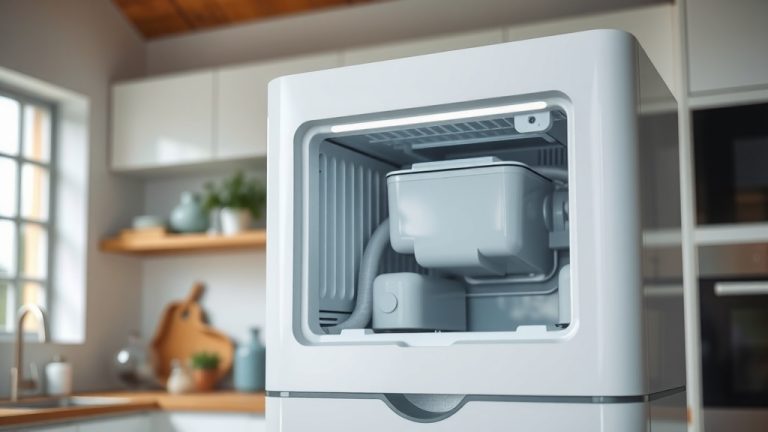
Do Central Air Conditioners Have Dehumidifiers?
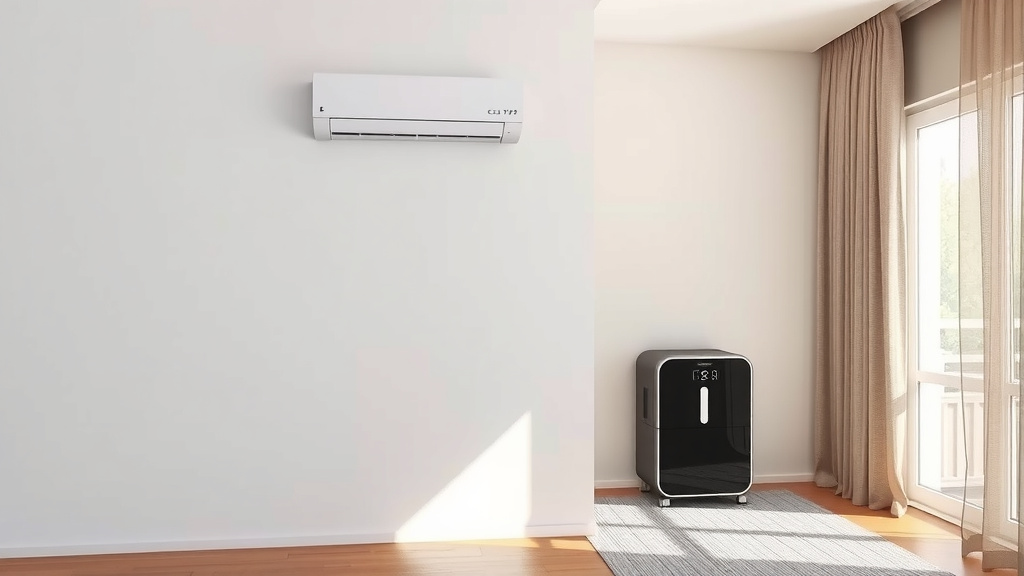
Yes, central air conditioners do have a dehumidifying effect as they cool your home. They naturally remove some moisture from the air during their normal operation, making your space feel more comfortable.
However, an air conditioner is designed primarily for cooling, not for dedicated humidity control, meaning it might not be enough for very humid environments or specific moisture problems.
- TL;DR: Your AC reduces humidity by default, but it’s a byproduct of cooling.
- It condenses water vapor as it cools the air, making your home feel drier.
- For high humidity, a central AC alone often isn’t enough to solve the problem.
- Dedicated dehumidifiers offer much more precise and powerful moisture removal.
- Understanding the difference helps you choose the best solution for your home.
Do Central Air Conditioners Have Dehumidifiers?
Central air conditioners indeed reduce humidity levels. This happens as part of their primary job: cooling your home’s air.
When warm, moist air passes over the cold evaporator coils, water vapor condenses out of the air.
How ACs Handle Humidity: The Basics
Think of a cold glass on a hot day. Condensation forms on the outside, right? Your AC works similarly inside.
As warm, humid air flows over the chilly coils, moisture in the air turns into liquid water. This water then drains away.
This process makes the air cooler and also removes some of its moisture. You feel drier and more comfortable.
Understanding Your AC’s Dehumidifying Power
Your AC’s ability to dehumidify depends on a few factors. Its size, efficiency, and even the outside temperature play a role.
A properly sized AC can handle average humidity pretty well. But if your AC is too big, it might cool too quickly without running long enough to remove much moisture.
Many experts say that an AC must run for longer cycles to effectively pull moisture from the air. Short cycles mean less dehumidification (Energy Star).
Signs Your AC Isn’t Enough
Even with an AC, you might notice lingering humidity. Do you feel sticky even when it’s cool?
A musty smell, condensation on windows, or even visible mold are all tell-tale signs. These suggest your AC isn’t winning the battle against moisture.
Excess humidity can make your home feel warmer than it is. This often leads you to lower the thermostat even more, wasting energy.
When Do You Need More Dehumidification?
Certain situations almost always call for extra help. Basements, crawl spaces, and homes in very humid climates are prime examples.
If you live near a large body of water, your AC might struggle. We found that humidity can also be a big problem after heavy rain (EPA).
Any area prone to dampness will likely benefit from a dedicated dehumidifier. It brings comfort and protects your home from moisture damage.
The Difference: AC vs. Dedicated Dehumidifier
While your AC helps with humidity, it’s not a specialized tool. Think of it like a butter knife versus a chef’s knife. Both cut, but one does it much better.
A central AC focuses on temperature control. A dedicated dehumidifier focuses only on moisture removal.
| Feature | Central Air Conditioner | Dedicated Dehumidifier |
|---|---|---|
| Primary Function | Cooling air | Removing moisture from air |
| Humidity Control | Byproduct of cooling | Precise and intentional |
| Temperature Impact | Lowers temperature | Minimal temperature change, or slight increase |
| Operation | Runs based on thermostat setting | Runs based on desired humidity level (humidistat) |
| Energy Use | Higher overall energy use when cooling and dehumidifying | Lower energy use for moisture removal only |
Types of Dehumidifiers to Consider
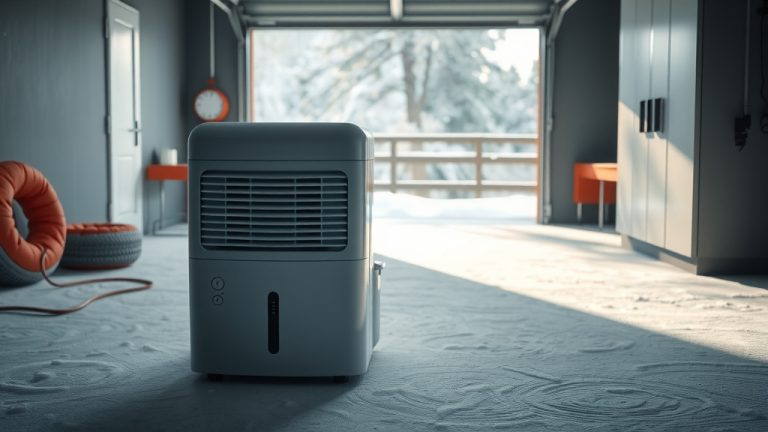
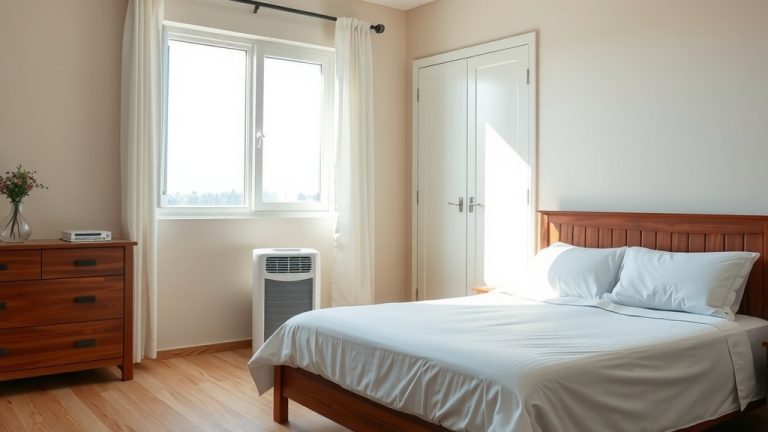
You have options if you need extra help. Portable dehumidifiers are great for specific rooms or areas, like a damp basement.
For a whole-home solution, whole-house dehumidifiers integrate with your existing HVAC system. These offer consistent humidity control throughout your entire living space.
Choosing the right type depends on your needs and budget. We often find that whole-house units offer the best set-it-and-forget-it convenience.
Benefits of Proper Humidity Control
Keeping humidity in check offers many perks. First, you’ll feel more comfortable at higher temperatures, meaning you might not need to blast the AC as much.
Second, it helps prevent mold and mildew growth. This is good for your health and protects your home’s structure. Many experts confirm that controlling humidity is key to preventing mold (CDC).
Finally, it safeguards your belongings. Excessive moisture can damage furniture, electronics, and even books over time. Proper humidity control helps preserve your investment.
Optimizing Your AC for Better Dehumidification
Even without a separate unit, you can help your AC do a better job. Simple adjustments and regular care can make a big difference.
Think about how you use your system. Sometimes, a few small changes lead to much drier air and greater comfort. It’s about being smart with your current setup.
Tips for Boosting Your AC’s Dehumidifying Efforts
- Set your thermostat higher: Running the AC for longer cycles at a slightly higher temperature can remove more moisture.
- Regular AC maintenance: Keep coils clean and filters fresh. A clean system works more efficiently.
- Check ductwork: Seal any leaks in your ducts. Leaky ducts bring in humid, unconditioned air.
- Use exhaust fans: In bathrooms and kitchens, these pull moist air outside. This prevents it from circulating throughout your home.
- Consider a smart thermostat: Some models have advanced settings to prioritize humidity removal.
Professional Help: When to Call the Experts
Sometimes, you need professional eyes. An HVAC technician can check your system’s sizing and performance. They can ensure your AC is running at its best.
They might suggest upgrades or adjustments to your existing system. Or, they can help you explore options for a dedicated whole-house dehumidifier installation.
Research often connects proper HVAC sizing with effective humidity control (ASHRAE). Don’t hesitate to seek expert advice.
Common Misconceptions About AC and Humidity
A common myth is that simply making your home colder will make it drier. This isn’t always true. While cooling does remove some humidity, just cranking down the thermostat might not solve a deeper moisture problem.
Another belief is that older ACs are worse at dehumidifying. While newer models are more efficient, age isn’t the only factor. System design and maintenance also play a huge role.
We’ve found that proper sizing is often more important than the age of the unit alone when it comes to humidity.
What Humidity Levels Are Ideal?
So, what’s the sweet spot? Many experts suggest keeping indoor relative humidity between 30% and 50%. This range is generally comfortable and discourages mold growth.
The EPA recommends keeping relative humidity below 60% and ideally between 30-50% to prevent mold. You can easily monitor this with a hygrometer, a small, inexpensive device.
Maintaining these levels helps with comfort and protects your home and health. It’s a small goal with a big payoff for your living space.
Conclusion
Your central air conditioner definitely plays a role in dehumidifying your home. It cools the air and naturally removes some moisture, helping you feel more comfortable. However, it’s not a dedicated humidity solution.
If you’re still battling sticky air, musty smells, or mold concerns, your AC might need some help. Consider optimizing its operation with better maintenance and sensible thermostat settings. For persistent or severe humidity issues, a dedicated dehumidifier, either portable or whole-house, provides the focused power you need. Finding the right balance will create a healthier, more comfortable living environment for you and your family.
What is the ideal humidity level for a home?
The ideal indoor relative humidity for most homes ranges between 30% and 50%. This level is best for comfort, health, and preventing issues like mold growth or structural damage.
Can a dirty AC filter affect humidity removal?
Yes, a dirty AC filter can hinder your system’s overall performance, including its ability to dehumidify. A clogged filter restricts airflow, making the unit work harder and less efficiently, meaning it may not run long enough to effectively pull moisture from the air.
Will running my AC colder remove more humidity?
While running your AC colder will initially cause more condensation, if the unit cools your home too quickly and cycles off before much moisture is removed, it might not be the most effective strategy for dehumidification. Longer run times, even at slightly warmer temperatures, often yield better moisture removal.
Is a portable dehumidifier enough for my whole house?
Generally, a portable dehumidifier is designed for a single room or a specific area, like a basement or a damp bedroom. For whole-house humidity control, especially in larger homes or very humid climates, a dedicated whole-house dehumidifier integrated into your HVAC system is usually more effective.
How can I measure the humidity in my home?
You can easily measure the humidity in your home using a hygrometer. These small, affordable devices display the relative humidity percentage and are widely available online or at most hardware stores. Placing them in different rooms helps you monitor moisture levels.