Do Chemical Dehumidifiers Work?
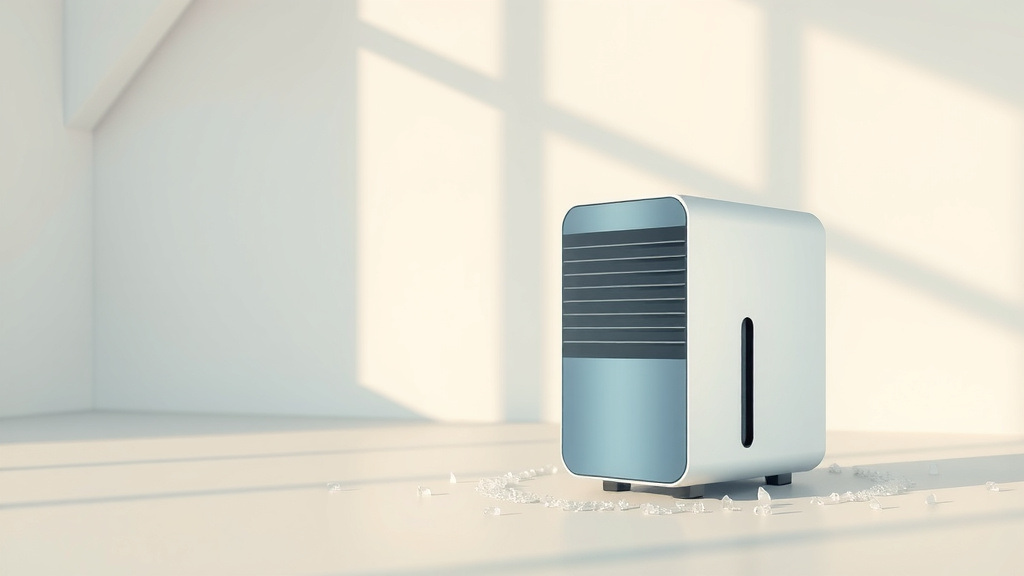
Yes, chemical dehumidifiers absolutely work to remove moisture from the air, but they typically handle smaller spaces and offer a different kind of solution compared to electric models. They use absorbent materials like calcium chloride to literally pull humidity out of your environment.
Chemical dehumidifiers are best for small, enclosed areas where electricity isn’t available or practical. Think closets, RVs, gun safes, or even a damp bathroom.
- Chemical dehumidifiers work by absorbing moisture from the air, great for small, contained areas.
- They use absorbent crystals like calcium chloride, which slowly dissolve as they collect water.
- These are a good choice for places without power outlets or where a quiet, passive solution is needed.
- Expect to replace the absorbing material regularly; it’s not a set-it-and-forget-it solution for large areas.
- While effective in their niche, they won’t tackle a whole house or a very damp basement like an electric unit.
Do Chemical Dehumidifiers Work?
Yes, chemical dehumidifiers do work effectively for their intended purpose, extracting excess moisture from small, enclosed spaces without needing electricity.
So, you’ve got a damp corner, a musty closet, or perhaps your RV feels a bit clammy? You’re wondering if those little tubs of crystals really do anything. We’re here to tell you how they work and where they shine.
Understanding How They Pull Moisture
Chemical dehumidifiers are a neat trick of chemistry. They use hygroscopic substances, which simply means materials that love to absorb and hold onto water molecules from the air. Calcium chloride is the star player here (NIH).
Imagine tiny sponges that never get full – that’s essentially what these crystals are doing. They draw in moisture, and as they do, they slowly dissolve, turning into a liquid that collects in a tray below. It’s a passive, silent process.
The Science Behind the Magic
When the air around the crystals is more humid than the crystals themselves, water vapor moves from the air to the chemical. This continues until a balance is reached or until the chemical is saturated. It’s all about vapor pressure differences.
This process is continuous as long as there’s moisture in the air and active crystals left to absorb it. No fans, no motors, just good old chemistry at play.
Where Chemical Dehumidifiers Excel
These units are not meant to dry out an entire basement after a flood. Instead, they are specialty tools for specific problems. They are fantastic for tackling small, localized humidity issues.
Think about areas where mold and mildew often thrive. These are often the perfect spots for a chemical dehumidifier to lend a helping hand. They offer a simple, no-fuss solution.
- Closets and Wardrobes: Protect your clothes from musty odors.
- Pantry Areas: Keep snacks and dry goods fresh.
- RVs and Campers: Reduce condensation during storage.
- Gun Safes: Prevent rust on valuable firearms.
- Storage Bins: Protect electronics or important documents.
- Small Bathrooms: Reduce steam after showers.
Comparing Chemical vs. Electric Dehumidifiers
It’s like comparing a bicycle to a car. Both get you somewhere, but they’re built for different journeys. Electric dehumidifiers are powerful machines designed for larger areas and more significant moisture problems.
Chemical units, however, are quiet and discreet. They don’t need an outlet and cost less upfront. Your choice depends entirely on your specific humidity challenge and the size of the space.
| Feature | Chemical Dehumidifier | Electric Dehumidifier |
|---|---|---|
| Power Source | None (passive) | Electricity (active) |
| Coverage Area | Small, enclosed spaces | Medium to large rooms/basements |
| Moisture Removal Rate | Slow and steady | Fast and powerful |
| Maintenance | Regular refilling/replacement | Emptying water bucket, filter cleaning |
| Noise Level | Silent | Audible fan/compressor |
| Cost (Upfront) | Very low | Moderate to high |
| Cost (Operating) | Cost of refills | Electricity bill |
The Right Tool for the Job
Choosing isn’t about one being “better.” It’s about finding the best fit for your needs. If you need to dry out a whole house, an electric unit is essential. For a small, damp drawer, a chemical dehumidifier is perfect.
When to Choose a Chemical Dehumidifier
You might opt for a chemical solution if you’re dealing with very localized moisture. Think about those spots where you see condensation forming, or where things just feel a bit clammy. They are ideal for preventing mildew and musty smells.
They are also a fantastic option for seasonal use in places like vacation homes that are closed up for months. Just pop a few in and let them do their work silently. It’s about convenience and targeted action.
Pros of Using Chemical Dehumidifiers
The benefits are clear for their niche. They are incredibly easy to use, requiring no technical know-how. Just unwrap and place! Plus, the initial cost is very budget-friendly.
Their silence is a huge plus in living spaces or storage areas where noise is a concern. They provide a continuous, low-level drying action without any fuss.
Potential Drawbacks to Consider
While effective, they aren’t without their limitations. You’ll need to regularly check and replace the absorbing material, which can add up over time if you’re not careful with your budget (Consumer Reports).
They also can’t handle large volumes of moisture. If your basement has standing water, a chemical dehumidifier will barely make a dent. They are more for maintenance and prevention than heavy-duty remediation.
Maintenance and Refilling Tips
When the crystals are gone or the collection tray is full, it’s time for a change. Most units have clear indicators. Simply empty the collected water and refill or replace the unit. Always dispose of the water safely, as it contains the dissolved chemical.
Some models offer refill bags, which can be a more sustainable option than buying entirely new units. Always follow the manufacturer’s instructions for the safest and most effective use.
Important Safety Notes
The chemicals used, like calcium chloride, are generally safe when handled correctly. However, they can be irritating to skin and eyes. Always wear gloves when handling the crystals or emptying the collected water.
Keep them out of reach of children and pets. If ingested, seek medical attention. We found that proper placement in a stable, inaccessible spot is key to safe operation (CDC).
Checklist for Optimal Use
- Choose the right size for your space.
- Place in a stable, elevated spot.
- Keep away from children and pets.
- Monitor absorption and empty/replace regularly.
- Combine with good ventilation if possible.
Conclusion
Chemical dehumidifiers are a straightforward, effective solution for controlling humidity in small, specific areas. They are not a replacement for powerful electric units but serve a distinct and important purpose. By understanding their strengths and limitations, you can make an informed choice and keep your smaller spaces free from excessive moisture and its unwanted side effects.
Are chemical dehumidifiers toxic?
Generally, chemical dehumidifiers use calcium chloride, which is considered low toxicity. However, it can be irritating if it contacts skin or eyes, and ingestion should be avoided. Always handle refills with gloves and keep units out of reach of children and pets.
How long do chemical dehumidifiers last?
The lifespan of a chemical dehumidifier unit depends on the humidity level and the amount of absorbent material. In very humid conditions, they might last a few weeks. In less humid environments, they could last several months before needing a refill or replacement.
Can I reuse the liquid from a chemical dehumidifier?
No, the liquid collected in a chemical dehumidifier is water mixed with the dissolved absorbent chemical. It’s essentially brine and cannot be reused to dehumidify. It should be safely disposed of according to product instructions.
Will a chemical dehumidifier prevent mold?
Yes, by reducing humidity levels in small, enclosed spaces, a chemical dehumidifier can certainly help prevent mold and mildew growth. Mold needs moisture to thrive, so removing that moisture is a key preventative step.
Are chemical dehumidifiers bad for the environment?
The main component, calcium chloride, is a naturally occurring salt. However, the plastic containers and packaging contribute to waste. Some brands offer refillable containers to reduce plastic waste, which is a more eco-friendly option. Always dispose of components responsibly.