Do Dehumidifiers Have Compressors?

Yes, many common dehumidifiers, especially the larger, more powerful models, do have compressors. These components are essential for how refrigerant dehumidifiers remove moisture from your air.
Compressors play a key role in the refrigeration cycle that cools coils, causing humidity in the air to condense into water droplets for collection.
- Most household dehumidifiers rely on a compressor, similar to your refrigerator.
- This compressor cools internal coils, turning airborne moisture into liquid water.
- Some dehumidifiers, known as desiccant types, operate without a compressor.
- The choice between types often depends on temperature, noise, and energy needs.
Do Dehumidifiers Have Compressors?
You might be wondering if your dehumidifier has a compressor. The quick answer is that most standard dehumidifiers you find for homes do indeed feature a compressor. This component is the heart of how they operate.
Compressors are central to what we call “refrigerant” or “mechanical” dehumidifiers. They make the cooling process possible, which is how these machines pull water from your indoor air.
Understanding How Dehumidifiers Work
Imagine your air conditioner or refrigerator; a dehumidifier uses a similar principle. It doesn’t cool your entire house, but it does cool a specific part of itself down.
The goal is to bring the air’s temperature down to its dew point. At this point, the invisible water vapor in the air becomes visible liquid water.
The Role of the Compressor
The compressor is like a tiny engine, driving refrigerant gas through coils inside the unit. It pressurizes the refrigerant, causing it to heat up, then cool down.
This cycle creates a very cold surface. When warm, humid air passes over these coils, the moisture in the air condenses onto them, just like water forming on a cold glass of ice water.
The Refrigerant Dehumidifier: A Closer Look
These are the most common types you’ll encounter in homes. They excel in warmer, humid environments.
They are efficient at removing significant amounts of moisture from the air. We found that they are often rated by how many pints of water they can remove per day (EPA).
What Happens Inside?
First, a fan pulls humid air into the dehumidifier. This air then passes over cold refrigerant coils.
As the air cools, water vapor turns into liquid water. This water drips into a collection bucket or drains away. The now dry air gets reheated slightly and then released back into the room.
Desiccant Dehumidifiers: A Different Approach
Not all dehumidifiers use compressors. There’s a distinct category known as desiccant dehumidifiers.
These units operate on a completely different principle. They don’t rely on refrigeration or cooling to remove moisture.
How Desiccants Absorb Moisture
Desiccant dehumidifiers use a special material, like silica gel, which naturally absorbs moisture. Think of those small packets you find in new shoes or electronics.
Humid air passes through a rotor coated with this desiccant material. The desiccant soaks up the moisture, then a small heater regenerates the desiccant so it can keep working.
Why Does the Compressor Matter?
The presence of a compressor impacts several key aspects of your dehumidifier’s performance. It influences things like efficiency, noise, and even its ideal operating temperature.
Understanding these differences helps you pick the right unit for your needs. You want a dehumidifier that works best for your specific situation.
Energy Efficiency and Noise Levels
Compressor-based dehumidifiers are generally very energy efficient in typical room temperatures. However, they can use more electricity in very cold spaces.
They also tend to be noisier because of the fan and the compressor running. Desiccant units, by contrast, often operate more quietly, which can be a big plus in living areas.
When Would You Choose Each Type?
Making the right choice depends heavily on your environment. Each type has its own strengths and weaknesses.
Consider the temperature of the area you want to dehumidify. This is a critical factor in your decision.
Ideal Conditions for Refrigerant Dehumidifiers
Refrigerant dehumidifiers are perfect for warm, humid rooms. They work best above 65°F (18°C).
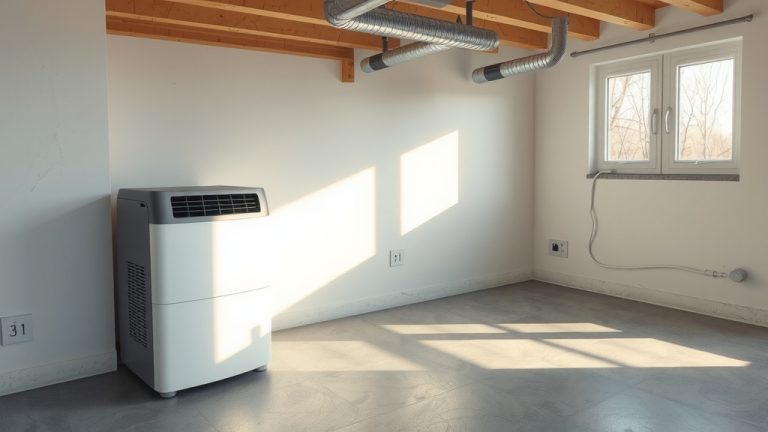
Think basements, living rooms, or large garages. They are great for removing significant amounts of moisture.
Ideal Conditions for Desiccant Dehumidifiers
Desiccant units shine in colder environments. They perform well in temperatures as low as 33°F (1°C).
Garages, unheated basements, boats, or RVs are ideal locations for these types. They maintain efficiency even when it’s chilly.
Here’s a quick comparison:
| Feature | Refrigerant (Compressor) | Desiccant (No Compressor) |
|---|---|---|
| Main Mechanism | Cools air via refrigerant | Absorbs moisture with desiccant material |
| Ideal Temperature | Above 65°F (18°C) | Below 65°F (18°C) |
| Noise Level | Typically louder | Generally quieter |
| Energy Use | Efficient in warm settings | Efficient in cold settings |
Maintaining Your Compressor Dehumidifier
Proper maintenance helps your dehumidifier last longer and run efficiently. It’s not just about setting it and forgetting it.
Regular cleaning prevents problems and ensures optimal performance. A well-maintained unit saves you money in the long run.
Here’s a simple checklist:
- Clean the air filter regularly (every 2-4 weeks).
- Empty the water collection bucket often.
- Check the drain hose for clogs if you use one.
- Keep the coils free of dust and debris.
- Ensure good airflow around the unit.
- Store it properly during off-season use.
Conclusion
Many common dehumidifiers you’ll use in your home indeed come equipped with a compressor. This component is key to their ability to cool coils and condense moisture from the air, keeping your living spaces dry and comfortable. However, remember that desiccant models offer a compressor-free alternative, particularly suited for colder environments.
The best choice for you depends on your specific needs, like room temperature, noise preference, and overall moisture levels. By understanding how each type operates, you can confidently select and maintain the perfect dehumidifier to combat humidity effectively in your home.
FAQs
Can a dehumidifier work without a compressor?
Yes, desiccant dehumidifiers work effectively without a compressor. They use a moisture-absorbing material, like silica gel, to remove humidity from the air, making them ideal for colder spaces where compressor models struggle.
Are compressor dehumidifiers better than desiccant ones?
Neither is inherently “better”; they simply suit different conditions. Compressor dehumidifiers excel in warm, humid environments (above 65°F), offering high efficiency. Desiccant dehumidifiers are superior in cooler temperatures (below 65°F), maintaining performance where compressor models might frost up.
What does it mean if my compressor dehumidifier is not collecting water?
If your compressor dehumidifier isn’t collecting water, check the air filter for clogs, ensure the humidity setting is appropriate, and verify the room temperature isn’t too low. Sometimes, a full water bucket or a misaligned drain hose can also prevent water collection.
How much noise does a compressor dehumidifier make?
Compressor dehumidifiers typically produce noise levels comparable to a refrigerator or a window air conditioner, often ranging from 45 to 60 decibels. The noise comes from both the fan and the compressor unit, which some users might find noticeable in quiet rooms.
Do all dehumidifiers use refrigerant gas?
No, not all dehumidifiers use refrigerant gas. Only compressor-based (refrigerant) dehumidifiers utilize refrigerant within their sealed cooling system. Desiccant dehumidifiers do not use refrigerant, relying instead on absorbent materials to remove moisture from the air.