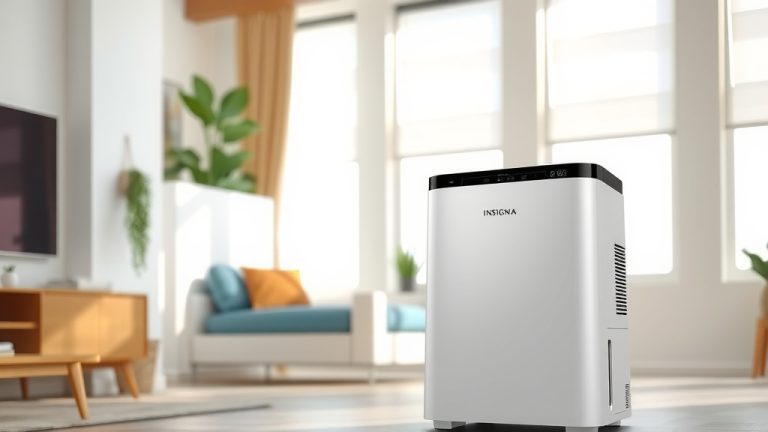
Do Dehumidifiers Have HEPA Filters?
No, most standard dehumidifiers do not come equipped with HEPA filters. Their primary function is to remove excess moisture from the air, not to filter microscopic particles like allergens or pollutants.
While some specialized or combination units might include advanced air filtration, it’s not a standard feature you’ll find in typical dehumidifier models.
- The vast majority of dehumidifiers focus solely on removing humidity.
- HEPA filters are for capturing tiny particles like pollen, dust mites, and pet dander.
- If you need both humidity control and air purification, look for combination units.
- Separate appliances often provide the best performance for each task.
Do Dehumidifiers Have HEPA Filters?
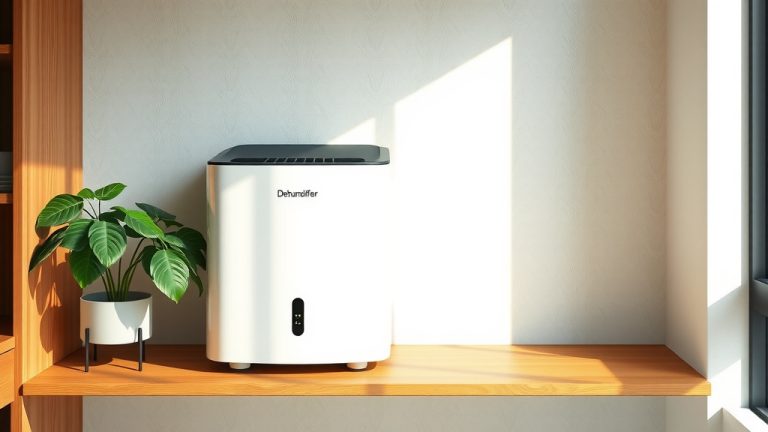
Generally speaking, a dedicated dehumidifier does not have a HEPA filter. Their design and operation target moisture. You won’t typically find one in a machine built just for drying the air.
What a Standard Dehumidifier Really Does
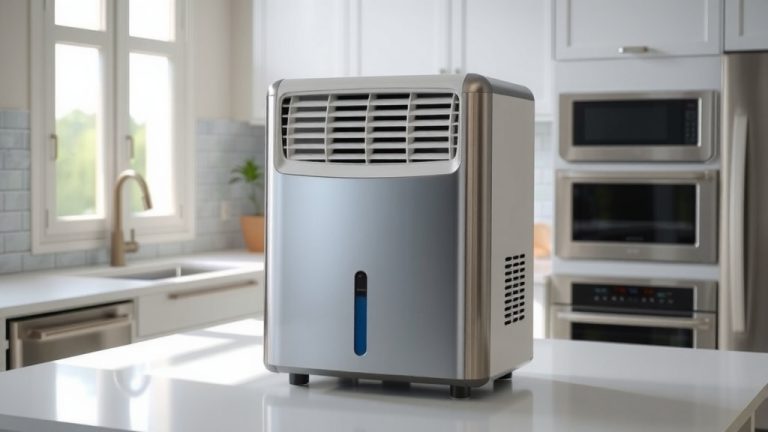
A dehumidifier is essentially a moisture-removing expert. It pulls in humid air, cools it down to condense the water vapor, and then releases drier air back into your space. Think of it like a small, specialized air conditioner for moisture.
Its job is to bring down high humidity levels. This helps prevent issues like mold growth, mildew smells, and musty odors in damp areas of your home. We found that keeping indoor humidity between 30-50% is ideal (EPA guidelines).
The Filters You DO Find in Dehumidifiers
Many dehumidifiers do have filters, but these are typically basic mesh filters. These filters are designed to catch larger particles like dust bunnies and pet hair. They protect the internal components of the machine. They are not designed for true air purification, nor do they meet HEPA standards.
You need to clean these mesh filters regularly. This ensures your dehumidifier runs efficiently. It also helps it last longer.
Understanding What a HEPA Filter Is
HEPA stands for High-Efficiency Particulate Air. A true HEPA filter is a specialized pleated mechanical air filter. It can trap 99.97% of particles that are 0.3 microns in size. This includes tiny things like pollen, dust mites, mold spores, and pet dander (CDC).
These filters are found in dedicated air purifiers. They are crucial for improving indoor air quality. If you have allergies or asthma, an air purifier with a HEPA filter can make a big difference.
Why Don’t All Dehumidifiers Include HEPA Filters?
Adding a HEPA filter would change a dehumidifier’s core function and cost. Dehumidifiers prioritize moisture removal. HEPA filters prioritize particle removal. Combining them often means a larger, more expensive, and sometimes less efficient unit for either task.
A standard dehumidifier is like a mop for wet floors. It excels at drying. A HEPA filter is like a vacuum cleaner. It excels at picking up tiny debris. You wouldn’t expect a mop to vacuum, would you? Both are useful, but they have different strengths.
The Rise of Combination Units: Dehumidifier + Air Purifier
Yes, some manufacturers now offer combination units. These devices aim to tackle both humidity and air quality. They integrate a dehumidifier with an air purifier, sometimes including a HEPA filter. We’ve seen these becoming more popular for convenience.
These combo units can save space. They can also simplify your appliance needs. However, it’s important to check their specifications. Ensure they perform both functions effectively. Sometimes a specialized unit is better.
Are Combination Units as Effective?
This is where things can get tricky. A single unit trying to do two big jobs might not perform each task as well as two separate, dedicated appliances. We found that performance can vary greatly by brand and model.
Research often suggests that dedicated machines typically offer superior performance (Consumer Reports). A dedicated dehumidifier will excel at removing moisture. A dedicated air purifier with a true HEPA filter will clean the air better.
| Feature | Standard Dehumidifier | Air Purifier with HEPA |
|---|---|---|
| Primary Goal | Remove moisture from air | Filter airborne particles |
| Main Benefit | Prevents mold, mildew, mustiness | Reduces allergens, dust, odors |
| Filter Type | Basic mesh filter (for lint/dust) | HEPA, activated carbon (for tiny particles) |
| Removes Water? | Yes, collects in bucket | No |
| Ideal Use | Damp basements, bathrooms, laundry rooms | Bedrooms, living rooms (allergy relief) |
When You Might Need Both a Dehumidifier and an Air Purifier
If you live in a humid climate and suffer from allergies, you likely need both. High humidity encourages mold and dust mites. These are common allergy triggers. Managing both aspects creates a healthier indoor environment.
Consider your specific needs. Do you have excess humidity *and* air quality concerns? Then having both appliances, or a robust combination unit, is a sensible choice for your home.
- Reduces mold growth and musty smells.
- Lowers dust mite populations.
- Alleviates allergy and asthma symptoms.
- Protects your home from moisture damage.
- Creates a more comfortable living space.
Choosing the Right Solution for Your Home
Deciding between a dehumidifier, an air purifier, or a combination unit depends on your home’s unique environment. Do you have visible mold or persistent dampness? A dehumidifier is your priority. Are you constantly sneezing? An air purifier comes first.
Many experts say to address the most pressing issue first. If humidity is very high, a dehumidifier is non-negotiable. Then, consider an air purifier for particle filtration.
Tips for Buying a Combination Unit
If you’re leaning towards a combo unit, read reviews carefully. Look for models with separate controls for each function. Ensure the HEPA filter is a true HEPA filter. Check the dehumidifying capacity, measured in pints per day.
Also, consider noise levels. Both dehumidifiers and air purifiers can be noisy. A quiet unit can make a big difference in your comfort. Make sure the filter replacement costs are reasonable too.
Maintenance Matters for Both Appliances
Regardless of what you choose, regular maintenance is key. For dehumidifiers, empty the water bucket often and clean the mesh filter. For units with HEPA filters, replace them according to the manufacturer’s schedule. This ensures optimal performance and extends the life of your appliance.
Neglecting maintenance can lead to reduced efficiency. It can also cause the machine to break down sooner. A well-maintained unit works harder for you.
Here’s a quick checklist when you are considering an appliance:
- Assess your home’s humidity levels.
- Identify any allergy or asthma triggers.
- Determine your budget for appliances.
- Check the room size for appliance capacity.
- Read reviews for performance and noise.
- Consider ongoing filter replacement costs.
Conclusion
While standard dehumidifiers are fantastic at tackling excess moisture, they typically don’t include HEPA filters. Their purpose is distinct from air purifiers. If you need both humidity control and clean air, you have two main options: investing in separate, dedicated appliances or choosing a high-quality combination unit.
Ultimately, understanding the specific needs of your home and prioritizing those will help you make the best decision. Don’t compromise on either healthy air or proper humidity levels; both contribute to a comfortable and safe living environment.
Do dehumidifiers remove dust?
Standard dehumidifiers can remove some larger dust particles through their basic mesh filters, which protect the machine’s internal parts. However, they are not designed to filter microscopic dust or allergens like a true HEPA filter does. For effective dust removal, an air purifier is needed.
Can a dehumidifier help with allergies?
Yes, indirectly. By reducing humidity, a dehumidifier helps control mold spores and dust mites, which are common allergy triggers. Less moisture means these allergens are less likely to thrive. However, for airborne pollen, pet dander, and fine dust, an air purifier with a HEPA filter is more effective.
What is the ideal humidity level for a home?
The ideal indoor humidity level for most homes is between 30% and 50% relative humidity. Keeping it within this range helps prevent the growth of mold and dust mites, while also keeping your home comfortable and protecting wooden furniture or floors (Mayo Clinic).
Can I use a dehumidifier and an air purifier in the same room?
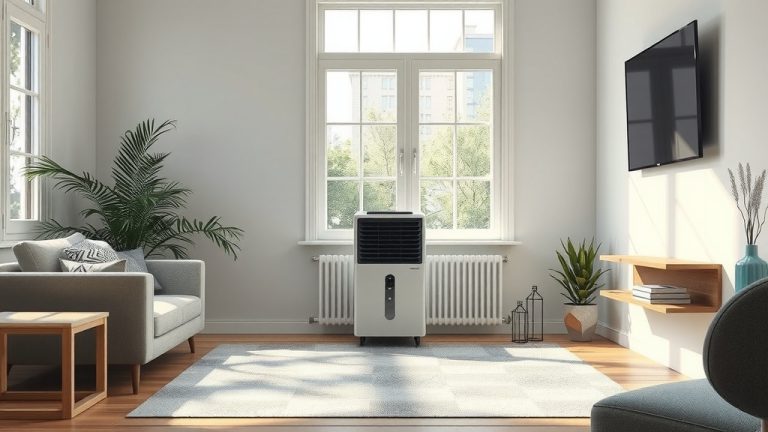
Absolutely! Using both a dehumidifier and an air purifier in the same room is a great strategy for comprehensive home health. Place them a few feet apart so each can operate efficiently without interfering with the other’s air intake or output. This offers the benefits of both humidity control and particle filtration.
How often should I clean my dehumidifier’s filter?
Most manufacturers recommend cleaning your dehumidifier’s mesh filter at least every two weeks, or more frequently if you live in a dusty environment or run the unit continuously. A clean filter ensures the machine runs efficiently and helps prevent breakdowns.