Do Dehumidifiers Help Dry Washing?
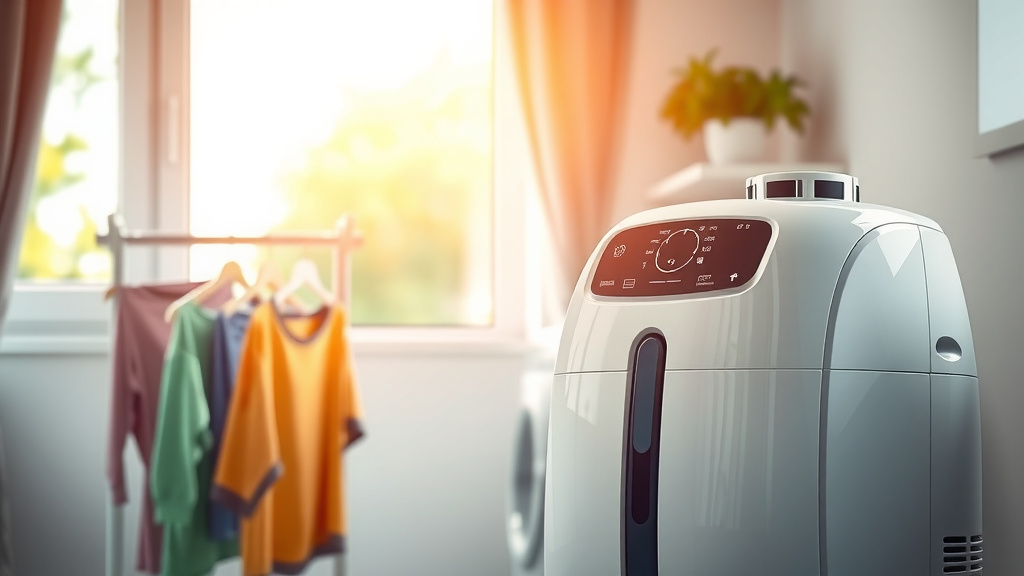
Yes, dehumidifiers significantly help dry washing indoors by actively reducing the moisture in your air. They create a drier environment, allowing your clothes to release water much faster than they would otherwise.
Using a dehumidifier while drying laundry prevents dampness from lingering, which can lead to musty smells and even mold growth in your home.
- TL;DR: Dehumidifiers absolutely speed up indoor clothes drying by removing excess humidity.
- TL;DR: They stop your home from feeling damp and prevent musty smells from forming.
- TL;DR: Proper placement and good airflow around your laundry are key for optimal results.
- TL;DR: This method can be more energy-efficient than a tumble dryer, especially for delicate items.
- TL;DR: You also gain the added benefit of generally improving your home’s air quality and comfort.
Do Dehumidifiers Help Dry Washing?
Yes, they do. A dehumidifier makes a big difference when you need to dry clothes indoors. It’s like giving your laundry a helpful boost.
You know how clothes dry slowly on a rainy day? That’s because the air is already full of water. A dehumidifier changes that.
How a Dehumidifier Works for Laundry
Think of it like this: your clothes are trying to give off their water. If the air around them is already humid, it’s a slow, tough job.
A dehumidifier pulls that moisture right out of the air. It creates a drier space, making it much easier for your clothes to release their dampness.
We found that this process really speeds up drying times. It’s especially useful during colder months or when rain keeps you from using an outdoor line.
The Science Behind Faster Drying
Water evaporates more quickly into dry air. This is basic physics at play.
A dehumidifier lowers the relative humidity in your drying area. This means the air can absorb more moisture from your wet laundry.
Many experts say this is a practical and effective method for indoor drying (NIH).
Why Indoor Drying Can Be a Problem
Drying clothes inside without help can cause issues. Your home might start to feel damp and heavy.
All that evaporating water has to go somewhere. It settles into your walls, furniture, and even your breathing air.
Mold and Mildew Risks
High humidity is a welcome mat for mold. Those dark spots you see? They love damp, warm places.
Mold spores can cause allergies and respiratory problems for some people. Nobody wants that in their home.
Research often connects indoor humidity levels with increased mold growth (CDC).
Lingering Damp Smells
Ever notice a musty smell after drying clothes indoors? That’s typically dampness and potential mildew forming.
A dehumidifier tackles this directly. It pulls out the moisture, so those smells don’t even get a chance to start.
Your home will smell fresher and cleaner. It’s a noticeable improvement.
Choosing the Right Dehumidifier
Not all dehumidifiers are equal. Picking the best one depends on a few factors.
You’ll want a unit that’s powerful enough for your space and needs.
Compressor vs. Desiccant Models
There are two main types. Compressor dehumidifiers work great in warmer rooms (above 20°C).
Desiccant models are better for colder areas, like a garage or basement. They perform well even at lower temperatures.
Consider where you’ll be drying your laundry. This will help you decide.
Room Size Matters
Dehumidifiers are rated by how much moisture they can remove. Look for capacity in pints per day.
A larger room with lots of laundry will need a higher capacity unit. Check the manufacturer’s recommendations for square footage.
Optimal Placement for Washing
Where you put the dehumidifier makes a real difference. Placement is key for efficiency.
Position it in the same room as your drying clothes. The closer, the better, but don’t block its airflow.
Many experts suggest placing it centrally in the room if possible. This allows it to circulate air effectively.
Getting the Best Results: Tips and Tricks
Using a dehumidifier for laundry drying is straightforward, but a few tricks can boost its effectiveness.
You want to maximize its power to dry your clothes quickly and efficiently.
Preparing Your Laundry Area
Close windows and doors in the room where you’re drying. This keeps the outside humidity out.
The dehumidifier can then focus its efforts on the moisture from your clothes, not the whole world.
Airflow is Your Friend
Make sure clothes are spaced out on the drying rack. Don’t clump them together.
Good airflow around each garment lets the moist air escape easily. A small fan can also help circulate air.
We found that adding a fan can reduce drying time even further.
Energy Efficiency Considerations
While dehumidifiers use electricity, they can be more energy-efficient than a tumble dryer for certain loads.
Consider using it for delicate items or smaller washes. This saves on wear and tear for your tumble dryer too.
Some models have an auto-shutoff feature. This saves energy once the desired humidity level is reached.
Dehumidifier vs. Tumble Dryer: A Comparison
Both methods get clothes dry, but they have different strengths. Here’s a quick look.
| Feature | Dehumidifier Drying | Tumble Dryer |
|---|---|---|
| Drying Speed | Slower (hours) | Faster (minutes to 1-2 hours) |
| Energy Use | Moderate, often lower for delicates | Higher (especially heat-pump models) |
| Fabric Care | Gentle, preserves fabric | Can be harsh, causes wear/shrinkage |
| Space Required | Drying rack + dehumidifier footprint | Appliance footprint |
| Noise Level | Low to moderate hum | Moderate to high rumbling |
Benefits Beyond Drying Clothes
Using a dehumidifier offers more than just dry laundry. It brings several other advantages to your home.
It’s like getting a bonus for your comfort and health.
- Reduces overall indoor humidity.
- Helps prevent condensation on windows.
- Can alleviate allergies for some people by inhibiting dust mites and mold.
- Keeps wooden furniture and floors from swelling or warping.
- Protects electronics and books from moisture damage.
Common Misconceptions About Dehumidifiers
There are a few myths floating around about these handy devices. Let’s clear them up.
Knowing the facts helps you use your dehumidifier more effectively.
Are They Expensive to Run?
Not necessarily. While they use electricity, modern dehumidifiers are quite efficient.
Many models have humidistats that turn the unit off when the target humidity is reached. This saves energy.
Compared to preventing mold remediation, the running costs are usually quite small.
Do They Shrink Clothes?
No, a dehumidifier will not shrink your clothes. Heat causes shrinkage, not simply the removal of moisture.
In fact, drying clothes with a dehumidifier is much gentler than a hot tumble dryer. It actually helps preserve your garments.
Conclusion
Dehumidifiers are a fantastic tool for drying washing indoors. They are effective, help protect your home, and offer other benefits.
You can enjoy faster drying times, prevent mold, and keep your indoor air fresh. It’s a smart investment for any home.
By understanding how they work and using them properly, you’ll keep your laundry and your home happy.
Can I leave my dehumidifier on overnight for drying clothes?
Yes, you can safely leave most dehumidifiers running overnight. Many models have continuous drainage options or large tanks, so they can run for extended periods without needing to be emptied. Always check your specific model’s instructions for continuous use recommendations.
How long does it take for a dehumidifier to dry clothes?
The drying time varies greatly depending on the load size, the type of fabric, the initial wetness, and the dehumidifier’s power. Typically, a full load of laundry can take anywhere from 4 to 12 hours to dry completely with a dehumidifier, especially if combined with good airflow.
Should I open a window when using a dehumidifier?
No, it’s best to keep windows and doors closed in the room where the dehumidifier is operating. Opening windows allows more humid air from outside to enter, making the dehumidifier work harder and less efficiently. You want to create a sealed environment for optimal moisture removal.
Can a dehumidifier replace a tumble dryer entirely?
While a dehumidifier can effectively dry clothes, it typically cannot replace a tumble dryer entirely for speed and convenience, especially for large households or heavy items. It is an excellent complementary method, particularly for delicate items, small loads, or when outdoor drying is not possible. Some people prefer it for the gentler drying it offers.
Does a dehumidifier make the room feel warmer or colder?
Dehumidifiers do release a small amount of heat into the room as a byproduct of their operation. This means the room might feel slightly warmer, especially smaller spaces, or if the unit runs for a long time. It won’t significantly heat a room, but it won’t make it colder either.