
Are Dehumidifiers a Fire Risk?
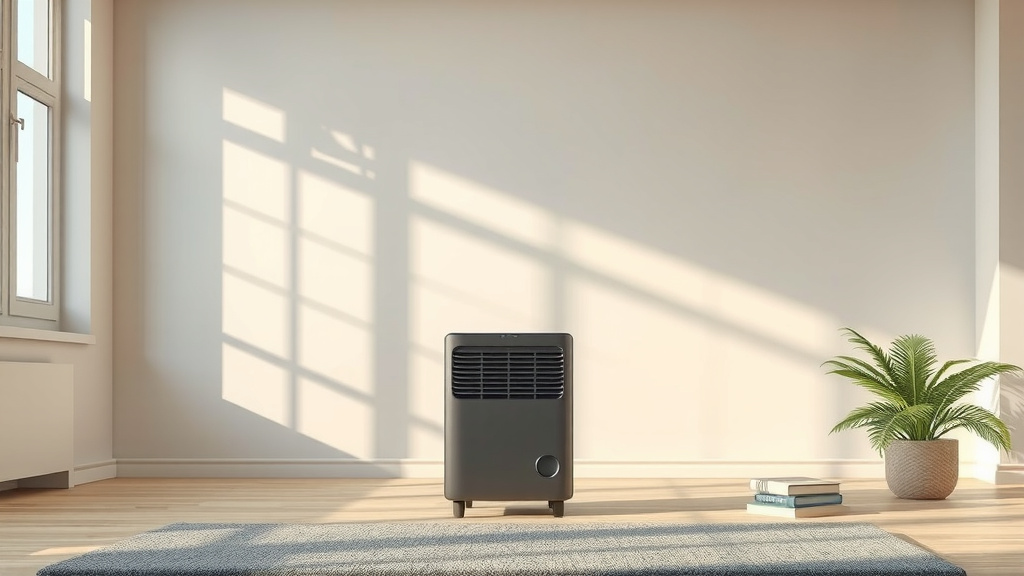
Dehumidifiers are generally not a high fire risk, especially modern models designed with safety features.
However, older or damaged dehumidifiers, along with improper use or maintenance, can increase the potential for electrical fires.
- Modern dehumidifiers are typically safe when you follow the rules.
- Older or faulty units present a greater potential danger.
- Regular cleaning and simple upkeep are your best defense.
- Always place your unit correctly and avoid blocking air vents.
- Never use extension cords; plug directly into a wall outlet.
Are Dehumidifiers a Fire Risk?
The good news is that most modern dehumidifiers are designed with safety in mind and pose a very low fire risk when used properly. Your concern is valid, but often, proper use makes all the difference.
You might wonder, “Could my dehumidifier suddenly catch fire?” While rare, it’s not impossible, especially with certain factors. Thinking about safety is always smart.
Understanding the “Why” Behind the Risk
Most fire risks with electrical appliances, including dehumidifiers, stem from a few key areas. These units work hard, pulling moisture from the air, which involves electrical components and a fan.
We found that electrical malfunctions are the primary concern (Consumer Product Safety Commission – CPSC). This means faulty wiring, defective parts, or overheating can sometimes lead to issues.
Electrical Overheating: A Silent Culprit
Imagine your dehumidifier working for hours. If internal parts like the motor or compressor get too hot, it could spark trouble. This overheating is a common cause in many electrical appliance fires.
Sometimes, dust buildup inside can also trap heat, making the components run hotter than they should. A little cleaning goes a long way here.
Faulty Wiring and Components
Older units, or those with manufacturing defects, might have compromised wiring or components. Over time, wires can fray or connections can loosen, creating a dangerous situation.
Many experts say that recalls often happen for these very reasons. Keeping an eye on recall notices for your model is a wise practice.
Spotting Warning Signs: What to Look For
Your dehumidifier often gives clues if something is wrong. Paying attention to these signals can help you prevent bigger problems. Think of it as your unit trying to tell you something.
- Unusual Odors: Do you smell something burning, like plastic or electrical insulation? This is a big red flag.
- Strange Noises: Is your unit buzzing, grinding, or rattling more than usual? New noises can indicate internal trouble.
- Visible Smoke or Sparks: Any smoke, even a small puff, or visible sparks means you should unplug it immediately.
- Overheating: Does the casing feel unusually hot to the touch? This suggests internal components are getting too warm.
- Frequent Tripping Breakers: If your dehumidifier consistently trips your circuit breaker, it could be drawing too much power, signaling an electrical issue.
Best Practices for Safe Dehumidifier Use
Keeping your home safe doesn’t take much effort when it comes to dehumidifiers. A few simple habits can drastically reduce any potential risk. It’s about being mindful, not paranoid.
Proper Placement is Key
Where you put your dehumidifier matters a lot. It needs space to breathe, like you do. Think of it like giving it its own little personal bubble.
Always place your unit on a flat, stable surface. Keep it away from walls, furniture, or curtains. Research often suggests at least 6-12 inches of clearance around all sides (NFPA guidelines).
Avoid Extension Cords at All Costs
This is a big one. Extension cords are not designed to handle the continuous power draw of a dehumidifier. They can overheat, leading to fires.
Always plug your dehumidifier directly into a dedicated wall outlet. If an outlet isn’t close, consider relocating the unit or using a different room.
Regular Cleaning and Maintenance: Your Safety Net
Just like any appliance, your dehumidifier benefits from a little TLC. Keeping it clean is your first line of defense against many issues.
We found that dust and lint can accumulate on coils and vents, hindering airflow and causing overheating. A quick clean can make a huge difference.
When to Consider Replacing Your Dehumidifier
Even with the best care, appliances don’t last forever. Knowing when to retire your old dehumidifier is important for ongoing safety. They get tired, too, you know.
Older models, especially those made before 2005, might not have the same safety features as newer ones. If yours is showing its age or acting up, it might be time for an upgrade.
A Quick Safety Checklist
Use this handy checklist to ensure your dehumidifier is operating safely. A quick scan can offer peace of mind.
- Is the dehumidifier plugged directly into a wall outlet?
- Are all air intake and exhaust vents clear of obstructions?
- Is there at least 6 inches of space around the unit?
- Have you cleaned the air filter recently?
- Are there any strange smells, sounds, or visible issues?
- Is the power cord in good condition, without frays or damage?
Comparing Old vs. New Dehumidifier Safety Features
Technology advances, and so does safety. Newer models often come with features designed to prevent common problems that lead to fires.
| Feature | Older Models (Pre-2005) | Modern Models (Post-2005) |
|---|---|---|
| Auto Shut-Off | Less common | Standard for full bucket, continuous operation |
| Overload Protection | Limited or absent | Common, prevents motor overheating |
| Improved Wiring | Older insulation, less robust | Enhanced insulation and connection integrity |
| Smart Features | None | Humidity sensors, timers, app control for efficient use |
As you can see, newer models offer a distinct advantage in built-in safety. It’s like having a little guardian angel inside your machine.
Conclusion
While the thought of a dehumidifier fire can be unsettling, rest assured that the risk is generally very low, especially with newer units and proper care. Your dehumidifier is a helpful tool for managing indoor humidity, not a hidden danger.
By simply following the manufacturer’s guidelines, performing routine cleaning, and staying aware of any unusual signs, you can enjoy all the benefits of a drier, more comfortable home with peace of mind. Your proactive approach to safety makes all the difference.
Are old dehumidifiers more dangerous?
Yes, older dehumidifiers, particularly those manufactured before 2005, often lack the advanced safety features found in newer models. Their components can also degrade over time, increasing the potential for electrical malfunctions or overheating.
Can a dehumidifier overheat and catch fire?
Yes, a dehumidifier can overheat if its internal components are faulty, if air vents are blocked, or if it’s operating in extremely hot conditions. Overheating can potentially lead to an electrical fire, which is why proper maintenance and placement are so important.
Is it safe to run a dehumidifier overnight?
Running a modern, well-maintained dehumidifier overnight is generally safe. Many units are designed for continuous operation and feature automatic shut-off functions. Always ensure it’s plugged directly into a wall outlet and has proper ventilation before leaving it unattended.
How often should I clean my dehumidifier to prevent fires?
You should clean your dehumidifier’s air filter at least once a month, or more often if you live in a dusty environment or run it frequently. Wiping down the exterior and ensuring vents are clear should be done regularly, too. This simple task significantly reduces dust buildup and fire risk.
What should I do if my dehumidifier smells like burning?
If you notice a burning smell from your dehumidifier, immediately unplug the unit from the wall outlet. Do not attempt to fix it yourself. Contact the manufacturer for support or consider replacing the unit, especially if it’s an older model. Safety is paramount.
