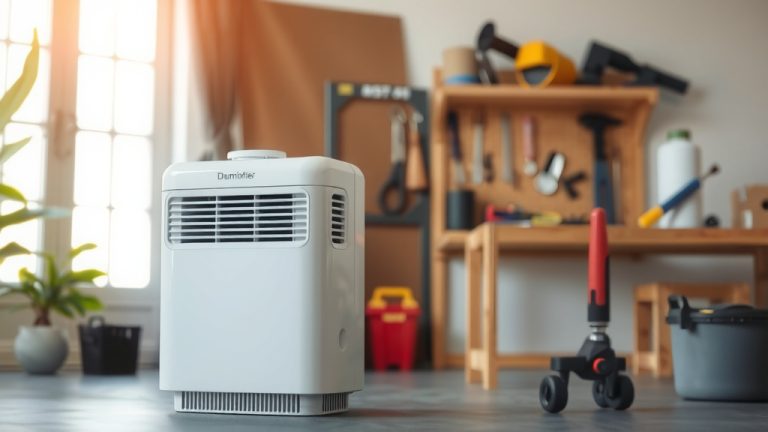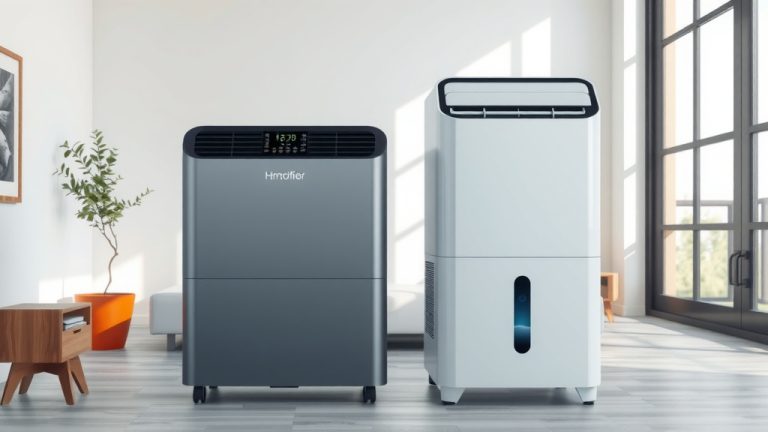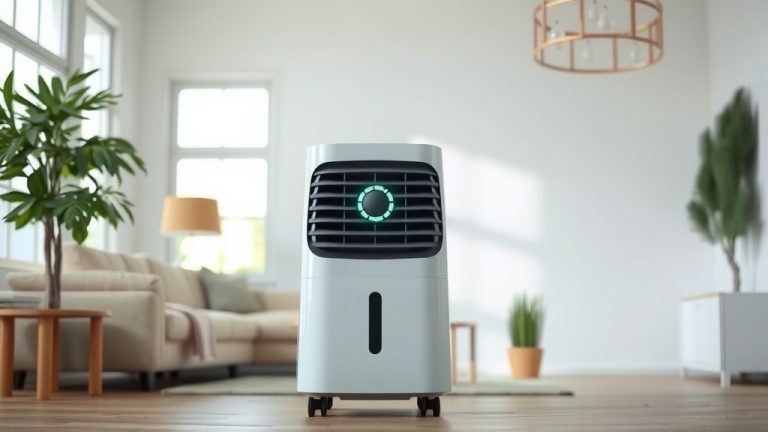
Do Dehumidifiers Need Maintenance?

Yes, dehumidifiers absolutely need maintenance to run efficiently and last longer. Just like any hardworking appliance, regular cleaning and checks help your unit perform its best, keeping your home comfortable and free from excess moisture.
Neglecting your dehumidifier can lead to reduced moisture removal, higher energy bills, and even costly breakdowns, making simple upkeep a wise investment for its longevity.
- Dehumidifiers require regular cleaning and checks to work well.
- Maintenance tasks are simple: clean the filter, empty the water bucket, and inspect coils.
- Keeping your dehumidifier clean stops mold, lowers energy use, and extends its life.
- Ignoring maintenance can lead to poor performance, strange smells, or even unit failure.
- You should clean the filter weekly or bi-weekly, and check the coils every few months.
Do Dehumidifiers Need Maintenance?
Absolutely, dehumidifiers do need regular maintenance. Think of it like changing the oil in your car; a little routine care keeps everything running smoothly and prevents bigger problems down the road.
Without proper attention, your dehumidifier won’t remove as much moisture, can waste energy, and might even break down sooner than you’d expect. It’s truly worth the small effort!
Why Regular Dehumidifier Care Matters
You probably bought your dehumidifier to tackle humidity, right? Well, for it to keep doing that job effectively, regular care is essential. It helps maintain the unit’s efficiency, extends its operational life, and even improves the air quality in your home.
Many experts say that a well-maintained dehumidifier can last significantly longer than one that’s ignored, saving you money in the long run (Cleveland Clinic).
Your Dehumidifier’s Key Components to Check
Knowing what parts need attention makes maintenance simple. You’ll focus on the areas that interact with air and water most directly. It’s not as complex as it sounds.
Each component plays a vital role in your dehumidifier’s ability to pull moisture from the air.
The Air Filter: Your Dehumidifier’s Lungs
This is probably the most important part to maintain. Your dehumidifier pulls in air, and that air often carries dust, pet dander, and other particles.
The filter catches these tiny bits, protecting the internal components. A clogged filter blocks airflow, making your unit work harder for less result. We found that a dirty filter is a common reason for poor performance.
- Check weekly during heavy use.
- Clean or replace every two weeks or monthly.
- Rinse reusable filters with warm, soapy water.
- Let filters dry completely before putting them back.
The Water Bucket: A Daily Task
This is where all the collected moisture ends up. It needs to be emptied regularly, especially in very humid conditions. You’ll notice when it’s full because the unit usually shuts off automatically.
Give the bucket a quick rinse with warm, soapy water every few weeks. This helps prevent mold or mildew growth inside the bucket itself. You don’t want a funky smell spreading through your home.
Coils and Fins: Keeping Things Cool
Behind the filter, you’ll find the evaporator and condenser coils. These get cold to condense moisture from the air. Over time, dust can settle on them, acting like a blanket and reducing their ability to cool efficiently.
Many experts suggest gently cleaning these coils every few months. You can use a soft brush or vacuum cleaner attachment to remove dust. A clean coil means better moisture removal.
Drainage Hose: Keeping Water Flowing
If your dehumidifier has a continuous drainage option with a hose, it needs a periodic check. Over time, algae or mineral deposits can build up inside the hose, blocking the flow of water.
We found that a clogged drain hose can cause water to back up and overflow. Disconnect the hose and flush it with clean water occasionally to keep it clear. Make sure it has a proper downward slope for gravity to do its job.
Exterior and Vents: A Quick Wipe Down
The outside of your dehumidifier and its air vents also gather dust. A simple wipe-down with a damp cloth keeps it looking good and ensures air can flow freely into and out of the unit.
Blockages on the vents can restrict airflow, making your unit work harder than it needs to. A quick cleaning helps maintain its appearance and function.
How Often Should You Perform Maintenance?
The frequency of maintenance tasks depends on how often you use your dehumidifier and how dusty your environment is. Here’s a general guide to help you keep things on track.
Remember, consistency is key to getting the most out of your appliance.
| Task | Frequency |
|---|---|
| Empty Water Bucket | Daily (when full) |
| Clean Air Filter | Weekly to Bi-weekly |
| Rinse Water Bucket | Monthly |
| Clean Coils/Fins | Every 3-6 Months |
| Check Drain Hose | Every 3-6 Months |
| Wipe Exterior/Vents | Monthly |
Benefits of a Well-Maintained Dehumidifier
What’s in it for you? Quite a lot, actually! Keeping your dehumidifier in top shape delivers several practical advantages for your home and your wallet. It’s a small investment of time for big returns.
These benefits extend beyond just removing moisture; they touch on comfort, health, and finances.
- Improved Efficiency: A clean unit doesn’t have to work as hard, using less energy to remove the same amount of moisture. This means lower electricity bills for you.
- Longer Unit Lifespan: Just like any machine, proper care helps it last longer. You get more years of service from your dehumidifier before needing a replacement.
- Better Air Quality: By preventing mold and mildew growth within the unit and in your home, it helps keep your indoor air healthier and reduces musty odors.
- Fewer Repairs: Routine maintenance helps catch small issues before they become expensive problems. It’s often cheaper to clean than to repair a broken part.
Signs Your Dehumidifier Needs Attention
Your dehumidifier might try to tell you it needs some care. Knowing these warning signs can prompt you to act before a minor issue becomes a major headache. Pay attention to its behavior.
If you notice any of these, it’s a good time for a maintenance check-up.
- Reduced Water Collection: Is it filling up slower than usual, even when humidity is high? A dirty filter or coils could be the cause.
- Strange Noises: Unusual rattling, grinding, or loud humming sounds often indicate a problem. It could be a loose fan blade or a failing motor due to overworking.
- Foul Odors: A musty or moldy smell coming from the unit usually means there’s mildew growing inside, often in the water bucket or on the coils.
- Ice Build-up: If you see frost or ice on the coils, it’s a sign of poor airflow, low refrigerant (less common for DIY fix), or extreme cold ambient temperatures. A dirty filter is often the culprit.
Quick Maintenance Checklist
Want a fast way to stay on top of your dehumidifier care? Here’s a simple checklist you can run through. It breaks down the main tasks into easy-to-remember steps.
Keep this handy for your regular maintenance routine.
- Clean or replace the air filter.
- Empty and rinse the water collection bucket.
- Inspect and gently clean the coils and fins.
- Check the drainage hose for blockages.
- Wipe down the exterior and clean air vents.
Conclusion
So, do dehumidifiers need maintenance? The answer is a resounding yes! Just a small amount of regular care goes a long way. By keeping your filter clean, your water bucket rinsed, and your coils free of dust, you’re ensuring your unit runs effectively and lasts for years.
Think of it as nurturing a helpful friend in your home. A well-cared-for dehumidifier will continue to protect your property from moisture damage, improve air quality, and keep those energy bills in check. Your future self (and your wallet) will thank you for taking the time.
Does cleaning a dehumidifier make it more efficient?
Yes, absolutely. A clean dehumidifier is a more efficient dehumidifier. When the air filter and coils are free of dust and debris, the unit doesn’t have to work as hard to pull air through and remove moisture. This means it uses less energy and can extract more water, saving you money on electricity bills and improving its overall performance.
How often should I clean my dehumidifier filter?
You should aim to clean your dehumidifier filter at least every two weeks, and even weekly if you use it heavily or live in a dusty environment. During peak humidity seasons, checking it more frequently is a good idea. A clean filter is crucial for efficient operation and maintaining good airflow.
What happens if I don’t clean my dehumidifier?
If you don’t clean your dehumidifier, several problems can arise. The unit will become less efficient, meaning it won’t remove as much moisture but will use more energy. You might notice strange odors, often caused by mold or mildew buildup. Eventually, neglected maintenance can lead to mechanical failure, requiring expensive repairs or a full replacement of the unit.
Can I use a regular vacuum cleaner to clean my dehumidifier’s coils?
You can use a regular vacuum cleaner with a soft brush attachment to gently clean the surface of your dehumidifier’s coils. The key is to be very gentle, as the fins on the coils are delicate and can bend easily. Avoid using harsh bristles or excessive force. For tougher grime, specialized coil cleaning sprays are available, but usually a soft brush is sufficient for routine dust removal.
How do I know if my dehumidifier filter is dirty?
You can tell if your dehumidifier filter is dirty by visually inspecting it. It will often appear grayish or covered in a layer of dust, pet hair, or other particles. If the filter looks clogged or if you notice a decrease in the unit’s water collection despite high humidity, it’s definitely time to clean or replace it. Some units also have an indicator light that signals when the filter needs attention.