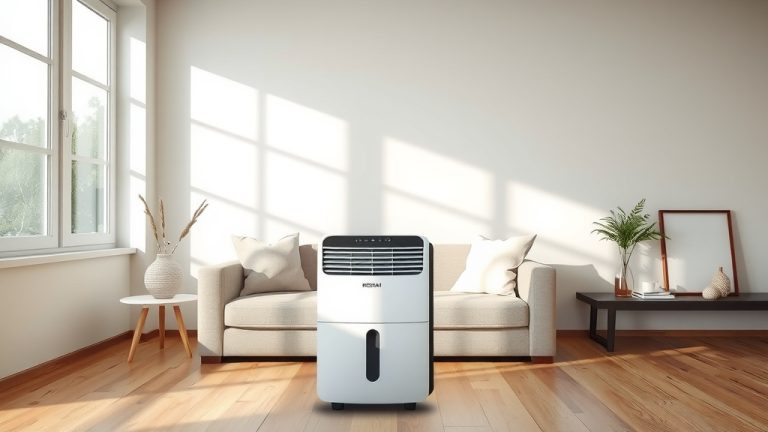
Do Dehumidifiers Need to Be Cleaned?
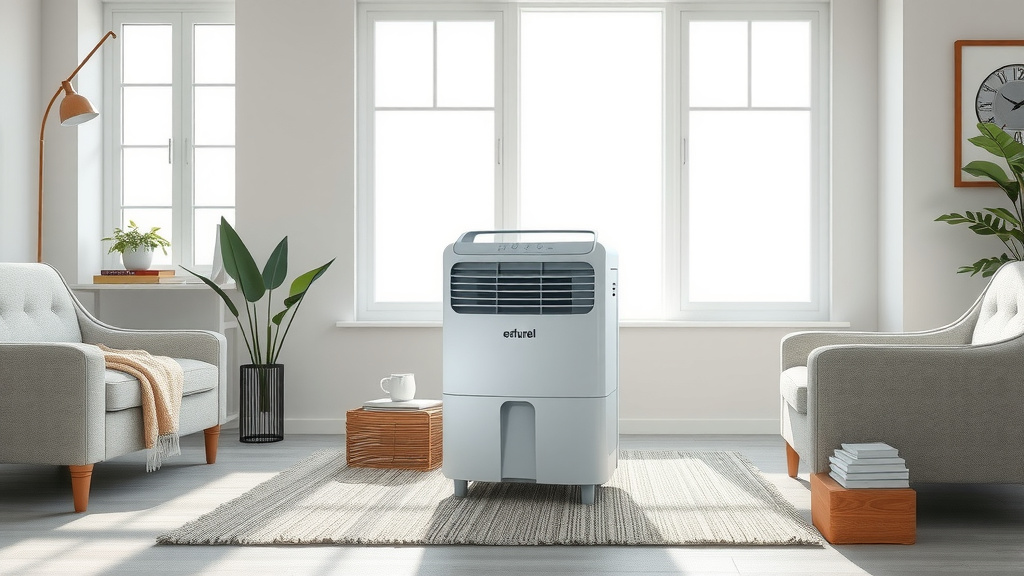
Yes, dehumidifiers absolutely need to be cleaned regularly to work efficiently and prevent health issues. Think of it like changing the oil in your car; maintenance keeps it running smoothly.
Neglecting your dehumidifier’s cleanliness can lead to mold growth, reduced air quality, and even costly breakdowns, making regular cleaning a vital part of owning one.
TL;DR:
- Dehumidifiers require regular cleaning for optimal performance and air quality.
- Dirty filters, buckets, and coils can lead to mold and musty odors.
- Cleaning helps maintain energy efficiency and extends the unit’s lifespan.
- You should clean the water bucket weekly and the air filter every 2-4 weeks.
- A simple cleaning routine prevents common problems and keeps your home healthier.
Do Dehumidifiers Need to Be Cleaned?
Absolutely, cleaning your dehumidifier is not just recommended; it’s essential. Without regular attention, these appliances can turn into a source of problems rather than solutions.
Why Bother Cleaning Your Dehumidifier?
You might be wondering, “Isn’t it just pulling water from the air?” Well, yes, but that process also draws in dust, pet dander, and other airborne particles. These can build up fast.
Preventing Mold and Mildew Growth
A dehumidifier’s job is to reduce humidity, which helps prevent mold. But if its internal components, especially the water bucket, aren’t cleaned, they become prime breeding grounds for mold and mildew. Imagine a stagnant puddle; that’s what a dirty water bucket can become. Many experts say that mold can significantly reduce indoor air quality (CDC).
Maintaining Efficiency and Performance
When dust clogs the filter or coils, your dehumidifier has to work much harder to do its job. This not only makes it less effective at removing moisture but also consumes more electricity. You could see a noticeable jump in your energy bill for a unit that isn’t even performing well.
Extending Your Dehumidifier’s Lifespan
Regular maintenance is like preventative medicine for your appliance. By keeping it clean, you reduce strain on its motor and other parts, helping it last longer. We found that well-maintained dehumidifiers often enjoy a significantly longer operational life than neglected ones.
Improving Indoor Air Quality
A dirty dehumidifier can release dust, mold spores, and bacteria back into your air. Instead of improving your home’s air quality, it can actually make it worse. Who wants that?
What Parts of Your Dehumidifier Need Cleaning?
It’s not just one spot. Several key components require your attention to keep the whole unit running smoothly and cleanly.
The Water Bucket or Reservoir
This is where all the collected moisture ends up. It’s also the most common spot for mold and slime to grow if not emptied and cleaned frequently. We recommend cleaning it weekly.
The Air Filter
Just like your home’s HVAC filter, the dehumidifier’s air filter catches dust, pet hair, and other particles. A clogged filter blocks airflow and reduces efficiency. Most experts suggest checking it every two to four weeks.
The Cooling Coils
These coils get cold to condense moisture from the air. Over time, they can accumulate dust and grime, which acts as insulation and reduces their ability to cool. Dirty coils mean less water removal.
The Exterior Casing and Grilles
Dust and dirt can settle on the outside too, especially around the air intake and exhaust grilles. Keeping these clear ensures unrestricted airflow.
How to Clean Your Dehumidifier: A Step-by-Step Guide
Ready to get your dehumidifier sparkling? It’s simpler than you might think.
Safety First: Unplug the Unit
Always, always unplug your dehumidifier before you start any cleaning. Electricity and water don’t mix, and your safety is paramount.
Cleaning the Water Bucket
Empty any standing water. Wash the bucket with warm, soapy water. For stubborn grime or mold, use a solution of one part white vinegar to one part water, or a mild bleach solution (about a tablespoon of bleach per gallon of water). Let it sit for 15-30 minutes, then scrub and rinse thoroughly. Make sure it’s completely dry before putting it back.
Cleaning or Replacing the Air Filter
Remove the filter. Most dehumidifiers have washable filters. You can rinse it under warm water to remove dust. If it’s very dirty, a soft brush can help. Some filters are disposable; if yours is, replace it according to the manufacturer’s guidelines. Allow washable filters to air dry completely before reinserting them.
Tackling the Cooling Coils
Gently wipe the coils with a soft cloth or a brush attachment on your vacuum cleaner. Be careful not to bend the delicate fins. For more stubborn buildup, a spray bottle with a vinegar-water solution can help. Lightly mist the coils, let it sit for a few minutes, then wipe clean. Research shows that clean coils directly contribute to energy savings (Energy Star).
Wiping Down the Exterior
Use a damp cloth to wipe down the outside of the unit, paying attention to the air intake and exhaust grilles. This prevents dust from being drawn inside.
How Often Should You Clean Your Dehumidifier?
The frequency depends on how often you use it and your home’s environment. Here’s a general guideline:
| Component | Recommended Cleaning Frequency | Notes |
|---|---|---|
| Water Bucket | Weekly, or with every emptying | More often if mold growth is noticed |
| Air Filter | Every 2-4 weeks | More often with pets or high dust |
| Cooling Coils | Every 3-6 months | Annually for light use |
| Exterior | Monthly | Prevents general dust buildup |
Signs Your Dehumidifier Needs Cleaning
Your dehumidifier might be trying to tell you something. Are you listening?
- It smells musty or moldy.
- It’s not collecting as much water as it used to.
- The fan is running, but no water is being collected.
- The unit is making unusual noises.
- There’s visible dust or grime on the filter or coils.
If you notice any of these, it’s a clear signal to grab your cleaning supplies!
Maintaining a Healthy Home Environment
Cleaning your dehumidifier is a small task with big rewards. It’s a key part of maintaining good indoor air quality and protecting your family from moisture-related issues like mold and allergens.
Long-Term Benefits of Regular Cleaning
Think about the peace of mind knowing your dehumidifier is truly helping, not hindering. You’ll enjoy consistent performance, lower energy bills, and a unit that lasts for years. It’s an investment in your home and your health.
Conclusion
So, do dehumidifiers need to be cleaned? Absolutely, and consistently. Neglecting this simple task can lead to decreased efficiency, higher energy costs, unpleasant odors, and even mold growth that undermines the very purpose of the appliance. By dedicating a little time each month to clean the water bucket, air filter, and coils, you ensure your dehumidifier operates at its best, providing you with cleaner air and a more comfortable home environment. It’s a small effort for a significant return on your investment in healthy living.
How often should I empty my dehumidifier’s water bucket?
You should empty your dehumidifier’s water bucket as soon as it’s full, which could be daily or every few days depending on your home’s humidity levels. For hygienic reasons, try to empty and rinse it weekly, even if it’s not completely full, to prevent mold and slime buildup.
Can I use harsh chemicals to clean my dehumidifier?
No, avoid using harsh chemicals or abrasive cleaners on your dehumidifier. These can damage plastic components, leave behind strong fumes, or even corrode metal parts. A mild solution of warm soapy water, white vinegar, or a very diluted bleach solution (as described in the article) is generally safe and effective.
What happens if I don’t clean my dehumidifier’s air filter?
If you don’t clean your dehumidifier’s air filter, it will become clogged with dust and debris. This restricts airflow, making the unit work harder and less efficiently, potentially increasing your energy bills. A dirty filter can also reduce the amount of moisture the unit removes and may even lead to the spread of dust and allergens in your home.
Is it normal for a dehumidifier to smell musty even after cleaning?
If your dehumidifier still smells musty after a thorough cleaning of the bucket and filter, the issue might be deeper, possibly involving mold growth on the cooling coils or inside the drain pan. Try cleaning the coils more thoroughly with a vinegar solution. If the smell persists, consult the manufacturer’s manual or a professional, as it could indicate a more serious internal problem.
Can a dirty dehumidifier pose a health risk?
Yes, a dirty dehumidifier can pose health risks. If mold and bacteria grow inside the unit, particularly in the water bucket or on the coils, their spores and particles can be released into your home’s air. This can exacerbate allergies, asthma, and other respiratory issues, especially for sensitive individuals. Regular cleaning helps prevent these potential health concerns.