Do Dehumidifiers Use a Lot of Power?
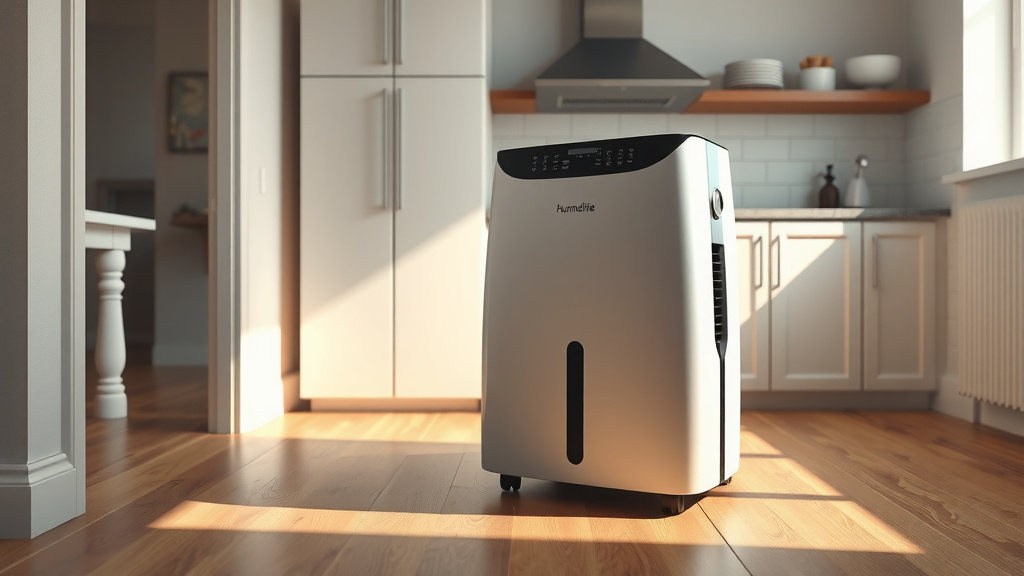
Dehumidifiers can use a moderate amount of power, similar to a refrigerator or window air conditioner, but their consumption varies greatly based on their size, type, and how often they run. Your energy bill will reflect factors like the unit’s wattage, the humidity level in your home, and how long you operate it daily.
While a dehumidifier’s energy usage might seem high initially, the benefits of improved air quality and preventing mold often make it a worthwhile investment for many households.
Here’s a quick overview of what you’ll find:
- Most standard dehumidifiers use between 300 to 700 watts.
- The exact power cost depends on your unit’s size, your home’s humidity, and your local electricity rates.
- Newer, ENERGY STAR certified models are much more efficient, helping you save on bills.
- Proper sizing and maintenance can significantly reduce how much electricity your dehumidifier uses.
- The benefits, like better health and preventing mold, often outweigh the running costs.
Do Dehumidifiers Use a Lot of Power?
When you consider running a dehumidifier, one of your first thoughts might be about your electricity bill. It’s a fair question, and the simple answer is: it depends. A typical dehumidifier can draw anywhere from 300 to 700 watts of power when actively removing moisture.
This power usage is comparable to many common household appliances, so it’s not necessarily “a lot” in every situation. We’ve found that proper understanding helps manage expectations.
Understanding Dehumidifier Power Consumption
Thinking about how much power a dehumidifier uses is like thinking about how much fuel a car uses. It’s not one fixed number. Several factors come into play. Your unit’s size and efficiency play big roles.
The conditions in your home also matter, like how damp it is. Are you battling high humidity in a basement or just trying to dry out a slightly muggy room?
The Role of Wattage and Capacity
Dehumidifiers come in different capacities, usually measured by how many pints of moisture they can remove per day. A larger capacity unit, say a 50-pint model, will generally use more watts than a smaller 30-pint unit.
For example, we found that a typical 50-pint model might use around 500-600 watts. A 30-pint model might use 300-400 watts. You can usually find the exact wattage listed on the unit itself or in its specifications.
How Different Types Compare
There are generally two main types of portable dehumidifiers: refrigerant and desiccant. Most common home models are refrigerant (compressor-based). These work similarly to a refrigerator or air conditioner.
Desiccant dehumidifiers are less common for general home use. They tend to use more power but work better in very cold conditions. For most homes, refrigerant models offer a better balance of efficiency and performance.
Factors That Affect Your Dehumidifier’s Energy Bill
Your dehumidifier’s total power consumption isn’t just about its wattage. It’s also about how long it runs and how hard it has to work. Think of it like a light switch: the longer it’s on, the more power it consumes.
Many experts say several environmental factors contribute to this. Let’s look at them.
Humidity Levels and Your Home
If your home has very high humidity, your dehumidifier will need to run longer and more frequently to bring the moisture down to your desired level. This means more power usage.
A home with moderate humidity, where the dehumidifier only cycles on occasionally, will naturally use less power. Maintaining a comfortable humidity level, often between 40-50% (CDC), is key.
Dehumidifier Placement Matters
Where you place your dehumidifier can also affect its efficiency. Placing it in an open area, away from walls and furniture, allows for better airflow. This means it can remove moisture more effectively and might not need to run as long.
Putting it in a very cold spot, like an unheated basement in winter, might cause some refrigerant models to ice up. This reduces their efficiency and increases power use. Many units have an auto-defrost feature to help with this.
Calculating Your Dehumidifier’s Running Cost
Want to get a clearer picture of what your dehumidifier might cost? It’s easier than you think. You just need three pieces of information:
- The unit’s wattage (W).
- How many hours per day it runs (H).
- Your local electricity rate (C) in cents per kilowatt-hour (kWh).
The formula is: (Wattage × Hours per day) / 1000 × Cost per kWh = Daily Cost. Let’s crunch some numbers.
An Example: Breaking Down the Numbers
Let’s say you have a 400-watt dehumidifier. You run it for 12 hours a day, and your electricity rate is 15 cents per kWh.
Here’s what that looks like:
| Factor | Value | Calculation |
|---|---|---|
| Wattage (W) | 400 W | |
| Hours per day (H) | 12 hours | |
| Electricity Rate (C) | $0.15/kWh | |
| Daily Cost | (400 W * 12 H) / 1000 * $0.15 = $0.72 | |
| Monthly Cost | $0.72 * 30 days = $21.60 |
So, in this example, your dehumidifier might add about $21.60 to your monthly bill. This calculation helps you understand the impact directly.
Energy-Saving Tips for Your Dehumidifier
Reducing your dehumidifier’s power use isn’t complicated. A few smart habits can make a real difference in your energy costs. It’s all about making your unit work smarter, not harder.
We found that small adjustments lead to noticeable savings.
- Choose the Right Size: An undersized unit will run constantly, using more power. An oversized unit might short-cycle, leading to inefficiencies. Match the unit’s capacity to your room size and humidity level.
- Maintain Your Unit Regularly: Keep the air filter clean! A dirty filter restricts airflow, forcing the unit to work harder. We recommend checking and cleaning or replacing it every few weeks.
- Set the Right Humidity Level: Most experts suggest keeping indoor humidity between 40-50%. Setting it lower than necessary makes your unit run more often. Most modern dehumidifiers have a humidistat to help you set this.
- Seal Air Leaks: Prevent humid air from entering your space. Seal cracks around windows and doors. This means less work for your dehumidifier.
- Use It When Necessary: Run your dehumidifier only when humidity is high. Sometimes, simply opening a window or using an exhaust fan is enough.
- Consider ENERGY STAR: Look for models with the ENERGY STAR label. These units are designed to be more energy-efficient, saving you money in the long run.
The Benefits Outweigh the Costs
While power consumption is a valid concern, many people find the benefits of using a dehumidifier far outweigh the operational costs. Imagine breathing easier and feeling more comfortable in your own home.
Research often connects proper humidity levels with better indoor air quality (EPA). This can be a game-changer for your health and home maintenance.
High humidity can cause mold and mildew growth. It can damage wooden furniture, flooring, and even affect electronics. A dehumidifier acts as a protective shield against these issues. It’s an investment in your home’s longevity and your family’s well-being.
Conclusion
So, do dehumidifiers use a lot of power? They use electricity, much like many essential home appliances. Their power usage depends on several factors, including the unit’s size, your home’s humidity, and how well you maintain it.
By choosing an appropriately sized and energy-efficient model, maintaining it properly, and setting sensible humidity levels, you can manage your running costs effectively. The health benefits, comfort, and protection against mold and property damage often make a dehumidifier a worthwhile addition to your home. It’s about creating a healthier and more comfortable living space for you and your family.
What is a good humidity level for a home?
A good humidity level for most homes is between 40% and 50%. This range is generally comfortable for people and helps prevent the growth of mold, dust mites, and other allergens (Mayo Clinic).
How long should I run my dehumidifier each day?
You should run your dehumidifier as long as necessary to maintain your desired humidity level, typically 40-50%. Some days it might run for several hours, while on other less humid days, it might only cycle on for short periods. Many units have a built-in humidistat that automatically turns them on and off.
Will a dehumidifier cool my room?
No, a dehumidifier will not cool your room. In fact, compressor-based (refrigerant) dehumidifiers actually release a small amount of heat into the room as a byproduct of their operation. While removing moisture can make a room feel less “muggy” and thus more comfortable, it doesn’t lower the air temperature.
Can I use a dehumidifier with an air conditioner?
Yes, you absolutely can use a dehumidifier with an air conditioner. They work differently. An air conditioner primarily cools the air, and while it does remove some humidity as a side effect, a dehumidifier is specifically designed for efficient moisture removal. Using them together can create a very comfortable environment, especially in highly humid climates, without over-cooling your space.
Are ENERGY STAR dehumidifiers worth the extra cost?
Many experts say ENERGY STAR certified dehumidifiers are generally worth the extra initial cost. They are designed to be more energy-efficient than standard models, meaning they use less electricity to remove the same amount of moisture. This can lead to significant savings on your utility bills over the lifespan of the unit, often offsetting the higher purchase price.