
Are Dehumidifiers a Scam?
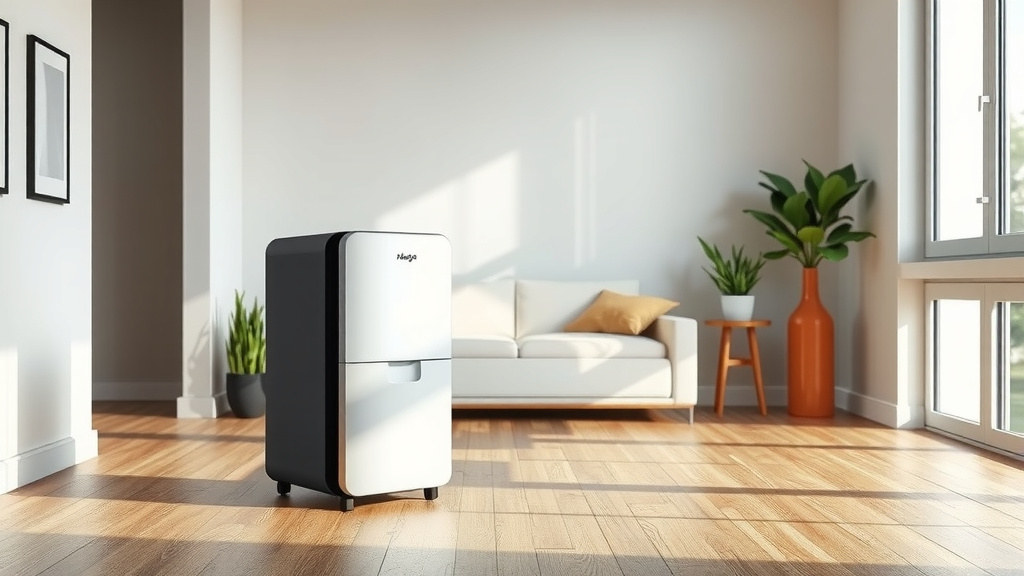
Absolutely not, dehumidifiers are not a scam; they are legitimate appliances designed to remove excess moisture from the air in your home, protecting your health and property.
Many experts, including those from environmental health organizations, confirm that a well-chosen dehumidifier can significantly improve air quality, reduce allergens, and prevent dampness-related structural damage.
- Dehumidifiers genuinely reduce humidity, which is vital for a healthy home environment.
- They help prevent mold growth, musty smells, and dust mite infestations.
- These devices protect your home’s structure and belongings from moisture damage.
- Choosing the right size and type for your space ensures maximum effectiveness.
- Regular maintenance keeps them working efficiently, making them a wise investment.
Are Dehumidifiers a Scam?
Let’s get straight to it: no, dehumidifiers are absolutely not a scam. They are real, working appliances that solve a real problem: too much moisture in your indoor air.
If you’ve ever walked into a damp basement or felt sticky air in summer, you know what we’re talking about. Dehumidifiers exist to combat this excess humidity, making your home a healthier and more comfortable place.
Understanding What Dehumidifiers Do
Think of your home as a sponge, especially in humid climates or certain seasons. It can soak up a lot of moisture from the outside air, from cooking, or even from showering.
A dehumidifier acts like a reverse sponge. It pulls that excess moisture out of the air, collects it, and leaves you with a drier, more pleasant atmosphere. We found that this simple process offers significant benefits that are far from a trick or scam.
How a Dehumidifier Works (Simply)
How do they work their magic? It’s quite straightforward. A dehumidifier draws in the humid air from your room.
Inside, this air passes over cold coils, similar to how condensation forms on a cold drink. The moisture in the air condenses into water droplets, which then drip into a collection tank. The now-drier air is released back into your room, creating a continuous cycle of moisture reduction.
The Real Dangers of High Humidity
High humidity isn’t just about feeling uncomfortable. It poses genuine risks to your health and the integrity of your home. Ignoring it can lead to bigger problems down the road.
Many experts, including those at the Environmental Protection Agency (EPA), suggest keeping indoor humidity between 30% and 50% to prevent these issues effectively.
Health Risks of Dampness
When humidity levels climb, your health can suffer. Elevated moisture provides an ideal breeding ground for common allergens.
Things like mold, mildew, and dust mites thrive in damp conditions. Exposure to these can trigger or worsen allergies and asthma symptoms (Mayo Clinic). You might notice more coughing, sneezing, or even skin irritation in humid spaces.
Protecting Your Home’s Structure
Beyond health, your home itself is at risk. High humidity can cause significant damage over time. It can warp wooden floors, furniture, and even structural beams. Paint might peel, wallpaper can bubble, and rust can form on metal objects.
We found that unchecked dampness often leads to expensive repairs that could have been avoided with proper humidity control.
When Do You Really Need a Dehumidifier?
You might be wondering if a dehumidifier is truly necessary for your home. It’s not always obvious, but there are clear signs that your indoor air has too much moisture.
Paying attention to these indicators can help you decide if it’s time to bring one into your space and improve your living conditions.
Clear Signs Your Home Needs Help
Look for these tell-tale signs that humidity is too high. These clues often appear in basements, bathrooms, and other poorly ventilated areas.
Catching them early can save you a lot of trouble. We found these indicators are often the first warning signals homeowners notice:
- A persistent musty or mildew smell in certain rooms.
- Condensation on windows, pipes, or walls.
- Cold, clammy, or sticky feelings on surfaces.
- Visible mold or mildew spots on walls, ceilings, or fabrics.
- Peeling paint or wallpaper, especially in bathrooms.
- Increased presence of dust mites or other moisture-loving pests.
Musty Odors and Condensation
Ever walked into a room and smelled something “off”? That musty smell is a strong indicator of mold or mildew, which loves damp environments.
Also, notice if your windows constantly fog up, or if pipes are dripping with condensation. These are direct signs of too much moisture floating around in your air.
Benefits You Can Expect
Investing in a dehumidifier brings a cascade of positive changes. It’s more than just drying the air; it’s about transforming your living space into something more comfortable and healthier.
Many people report feeling a noticeable difference very quickly, which further proves these units are not a waste of money.
Better Air Quality and Comfort
With less moisture, your air feels lighter and fresher. You’ll breathe easier, especially if you suffer from allergies or asthma.
The overall comfort in your home improves significantly, making those sticky summer days much more bearable. We often hear feedback about a general feeling of cleanliness and improved sleep.
Saving Your Belongings
Your furniture, books, electronics, and even clothes are vulnerable to high humidity. Wood can warp, paper can get wavy, and electronics can develop moisture-related issues.
A dehumidifier helps preserve these items, extending their lifespan and preventing costly damage. It’s like giving your possessions a protective, dry shield against the elements.
Choosing the Right Dehumidifier for You
Not all dehumidifiers are created equal. To get the best results, you need one that’s suited to your specific needs and the size of your space. A unit that’s too small won’t be effective, and one that’s too large might use more energy than necessary.
Taking a moment to consider your options can make a big difference in performance.
Types and Sizes Matter
Dehumidifiers come in different types and capacities. Most common are compressor (refrigerant) and desiccant models. Compressor models work well in warmer temperatures, while desiccant units are better for cooler spaces like basements or garages.
The capacity, measured in pints per day, indicates how much moisture the unit can remove. Match this to your room size and humidity level for optimal results.
Whole-House vs. Portable Units
For extensive humidity problems or large homes, a whole-house dehumidifier might be integrated into your HVAC system. These offer comprehensive control.
For specific problem areas like a damp basement or a humid bedroom, a portable unit is a flexible and effective solution. We found that many homeowners start with a portable unit to address localized moisture issues.
| Space Size (Sq Ft) | Moderately Damp (Pints/Day) | Very Damp (Pints/Day) |
|---|---|---|
| 500 | 10-14 | 14-18 |
| 1000 | 14-18 | 18-22 |
| 1500 | 18-22 | 22-26 |
| 2000 | 22-26 | 26-30 |
Getting the Most From Your Dehumidifier
Once you have your dehumidifier, a few simple practices can ensure it works as efficiently and effectively as possible. It’s not just about plugging it in and forgetting about it.
Proper setup and minimal upkeep will extend its life and maximize its humidity-fighting power.
Placement and Maintenance Tips
Place your dehumidifier in the center of the dampest room, away from walls, to allow for optimal airflow. Keep doors and windows closed in that area while it’s running. This prevents new humid air from entering.
Regularly empty the water collection tank, or connect a hose for continuous drainage if your model allows. Clean the air filter monthly to prevent dust buildup, which can hinder its performance (CDC guidelines for indoor air quality often suggest regular filter cleaning for air quality appliances).
Dehumidifier Checklist for Success
Before you run your new dehumidifier, a quick check can make sure you’re set up for the best results.
- Did you choose the right capacity for your room size?
- Is the unit placed in the most humid area, away from obstructions?
- Are windows and doors in the area closed during operation?
- Have you set your desired humidity level (ideally between 40-50%)?
- Do you have a plan for regularly emptying the water tank or draining?
- Are you ready to clean the air filter monthly for efficiency?
Conclusion
So, are dehumidifiers a scam? The answer is a resounding no. They are incredibly useful tools for maintaining a healthy and comfortable home environment by effectively controlling excess moisture. From preventing mold and dust mites to protecting your property, the benefits are clear and backed by widespread experience.
By understanding how they work, recognizing the signs of high humidity, and choosing the right unit for your needs, you can harness the power of a dehumidifier to transform your living space for the better. It’s an investment in your home’s health and your own peace of mind.
Are dehumidifiers expensive to run?
The running cost of a dehumidifier varies depending on its capacity, efficiency, and how often it’s used. Newer, Energy Star certified models are much more energy-efficient, often costing less than a dollar a day to operate. Factors like room size and humidity levels also play a role in overall energy consumption.
Can a dehumidifier make a room too dry?
Yes, it’s possible for a dehumidifier to make a room too dry if set incorrectly or left running too long. Most modern units have a humidistat that allows you to set your desired humidity level, typically between 40% to 50% for optimal comfort and health. This feature helps prevent over-drying.
Where is the best place to put a dehumidifier?
The best place for a dehumidifier is usually in the dampest part of your home, such as a basement, crawl space, or a particularly humid room. Place it away from walls and furniture to ensure good airflow. For a whole-house solution, units are often integrated with your HVAC system.
How long does it take for a dehumidifier to work?
The time it takes for a dehumidifier to significantly reduce humidity depends on several factors: the initial humidity level, the size of the room, and the capacity of the unit. You might notice a difference in air quality and feel within a few hours, with optimal levels often reached within 24-48 hours of continuous operation.
Do dehumidifiers help with allergies?
Many experts, including those from allergy and asthma foundations, suggest that dehumidifiers can indeed help with allergies. By reducing airborne moisture, they create an environment less hospitable for common allergens like dust mites, mold, and mildew. Lower humidity often leads to fewer allergy triggers in your home.
