
Do Dyson Fans Dehumidify?
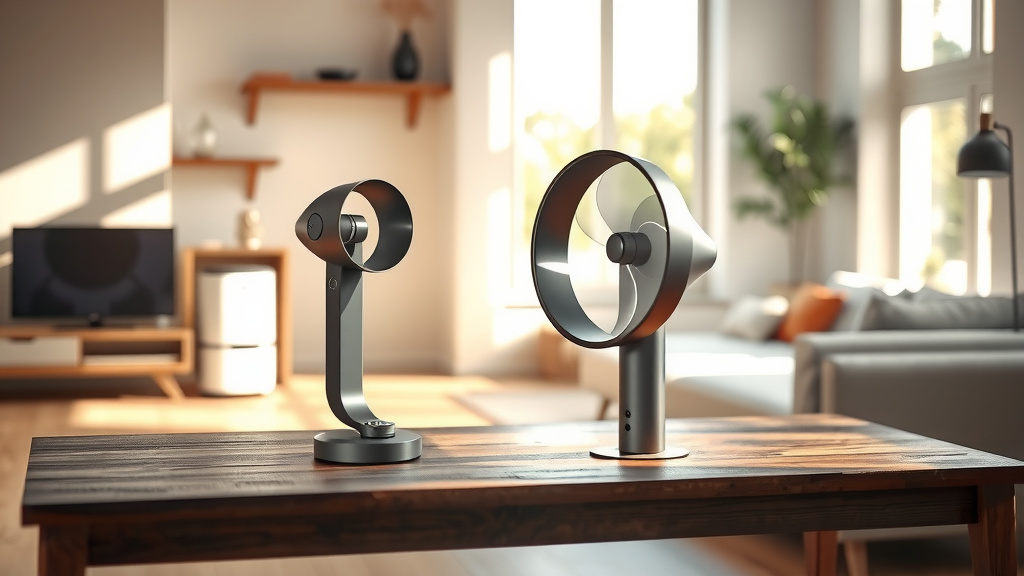
No, Dyson fans do not dehumidify the air. Their primary function is to circulate air and cool you through evaporation, not to remove moisture from your environment.
Here’s a quick summary if you’re looking for the straight answer now:
- Dyson fans move air around, creating a breeze.
- This breeze helps you feel cooler by evaporating sweat from your skin.
- They lack the specific components (like refrigerants) needed to extract moisture.
- For true dehumidification, you need a dedicated dehumidifier.
- Using a Dyson fan alongside a dehumidifier can sometimes help spread dry air.
Do Dyson Fans Dehumidify?
You might be wondering if your sleek Dyson fan can pull double duty and tackle that sticky humidity in your home. The simple answer is no, Dyson fans do not dehumidify. They are designed for air circulation and cooling, not moisture extraction.
What Does a Dyson Fan Actually Do?
A Dyson fan works by drawing in surrounding air and projecting it through a bladeless loop. This creates a powerful, smooth stream of air. Think of it like a very efficient wind machine. Its goal is to move air effectively, making you feel cooler by enhancing the evaporation of moisture from your skin. It helps you feel more comfortable on a warm day by circulating existing air.
How Real Dehumidifiers Work
Unlike a fan, a true dehumidifier actively removes moisture from the air. Most dehumidifiers work similarly to an air conditioner. They draw in humid air over a cold coil. The moisture in the air condenses into water droplets, which then collect in a reservoir. The drier air is then released back into the room. This process physically removes water from your indoor environment (NIH).
The Big Difference: Air Movement vs. Moisture Removal
The core distinction is clear: a Dyson fan moves existing air, while a dehumidifier changes the air’s moisture content. Your Dyson fan can push humid air around, but it can’t make that air less humid. It’s like stirring a bowl of water; you’re moving the water, but not making it less wet.
Why You Might Think a Dyson Fan Dehumidifies
It’s easy to get confused! When you’re hot and sticky, a cool breeze from a Dyson fan certainly feels like a relief. This feeling of relief can trick you into thinking the air is drier. However, the fan is merely making you feel cooler by aiding sweat evaporation, not by reducing the overall humidity in the room.
The Feel of “Cool” Doesn’t Mean “Dry”
When warm air passes over your skin and causes sweat to evaporate, it creates a cooling sensation. This is the main benefit you get from a fan. We often associate feeling cooler with feeling less sticky or humid, but the actual moisture in the air remains the same (CDC). The fan helps your body manage heat, but it doesn’t dry out the room itself.
When Air Circulation Helps (and When it Doesn’t)
Air circulation from a Dyson fan can be helpful in some situations. For example, it can break up pockets of stagnant, humid air, making a room feel less stuffy. However, if the entire room is very humid, the fan will just move that same humid air around. It’s not a solution for a truly damp environment. We found that simply moving air without addressing the root cause of humidity is like treating a symptom, not the illness.
Minor Effects on Humidity (Not Dehumidification)
Could there be any tiny, indirect effect? Possibly, but it’s not significant for dehumidification. Increased air movement might slightly help evaporate surface moisture, like a damp towel, but it won’t impact the humidity level of the entire room’s air. For controlling ambient humidity, you need a dedicated device.
Signs You Need a Real Dehumidifier
If you’re noticing these issues, it’s time to consider a proper dehumidifier:
- Your home feels constantly damp or clammy, even with fans running.
- There’s a persistent musty odor, especially in basements or bathrooms.
- You see visible condensation on windows, walls, or pipes.
- There’s mold or mildew growth on surfaces or fabrics.
- Wooden furniture or floors show signs of warping.
- Allergies or asthma symptoms seem worse indoors (Mayo Clinic).
Choosing the Right Dehumidifier for Your Space
Selecting a dehumidifier depends on several factors. Consider the size of your space and how much moisture it needs to remove. We found that matching the capacity to your room size is key for effectiveness. Here’s a quick guide:
| Room Size | Humidity Level | Recommended Capacity (Pints/Day) |
|---|---|---|
| Small (up to 500 sq ft) | Moderately Damp | 10-20 Pints |
| Medium (500-1000 sq ft) | Very Damp | 20-30 Pints |
| Large (1000-1500 sq ft) | Wet | 30-50 Pints |
| Extra Large (1500+ sq ft) | Extremely Wet | 50-70 Pints |
Can You Use a Dyson Fan Alongside a Dehumidifier?
Yes, you can absolutely use a Dyson fan with a dehumidifier, and it can even be beneficial! Once your dehumidifier removes moisture, the fan can help distribute the now-drier air more evenly throughout the room. Think of it as teamwork: the dehumidifier does the heavy lifting of moisture removal, and the fan helps spread the comfort. Many experts say that air circulation can improve the efficiency of dehumidification across a larger area.
Best Practices for Managing Indoor Humidity
Controlling humidity is vital for comfort and health. Here are some practical tips:
- Ventilate well: Use exhaust fans in bathrooms and kitchens.
- Fix leaks: Repair any leaky pipes or roofs promptly.
- Use a dehumidifier: Especially in damp areas like basements.
- Improve drainage: Ensure water drains away from your home’s foundation.
- Open windows: When outdoor humidity is lower than indoors.
- Run your AC: Air conditioning also helps reduce indoor humidity.
Conclusion
While Dyson fans are fantastic for moving air and helping you feel cooler, they simply don’t have the technology to remove moisture from the air. If you’re struggling with high humidity, condensation, or musty smells, a dedicated dehumidifier is what you truly need. Remember, your Dyson fan helps with personal comfort and air circulation, but for tackling serious moisture issues, you’ll want the right tool for the job. You can even combine both for optimal comfort and air quality!
Frequently Asked Questions
Are Dyson fans good for air quality?
Many Dyson models include air purification features with HEPA and activated carbon filters. These models are excellent for capturing allergens, pollutants, and odors, thereby improving overall air quality. However, this is separate from their fan function and does not relate to dehumidification.
Can a fan prevent mold growth?
A fan alone cannot prevent mold growth if humidity levels are high. Mold thrives in damp conditions. While air circulation can help dry a specific wet spot, only by reducing the overall relative humidity below 60% can you effectively inhibit mold growth. A dehumidifier or air conditioner is typically needed for this.
What is the ideal indoor humidity level?
Many experts recommend keeping indoor relative humidity between 30% and 50%. This range is generally comfortable for most people and helps prevent the growth of mold, dust mites, and other allergens (Cleveland Clinic). Going too low can cause dry skin and static electricity, while too high causes stickiness and potential damage.
Is a Dyson fan the same as an air conditioner?
No, a Dyson fan is not the same as an air conditioner. An air conditioner cools a room by removing heat and moisture from the air and exhausting it outside. A Dyson fan only circulates existing air, making you feel cooler through evaporation but not lowering the ambient room temperature or dehumidifying the air like an AC unit.
Will opening windows help with humidity?
Opening windows can help with humidity, but only if the outdoor humidity is lower than indoors. If it’s a humid day outside, opening windows will actually bring more moisture into your home. It’s a good strategy on dry, breezy days to improve ventilation and reduce indoor humidity, but always check the weather first.
