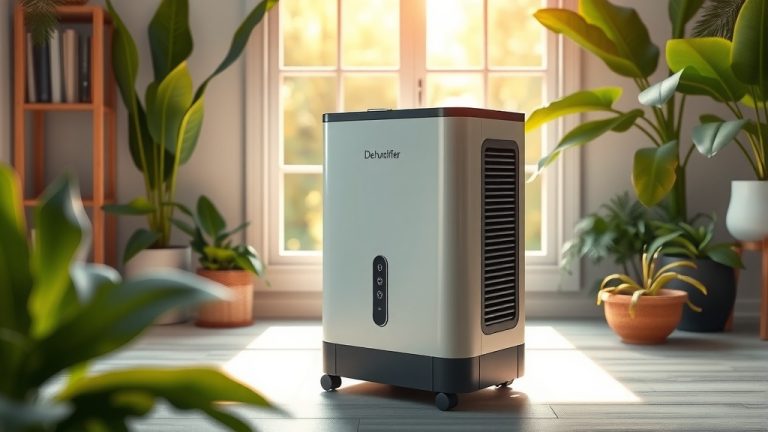
Are Dehumidifiers Bad for Asthma?
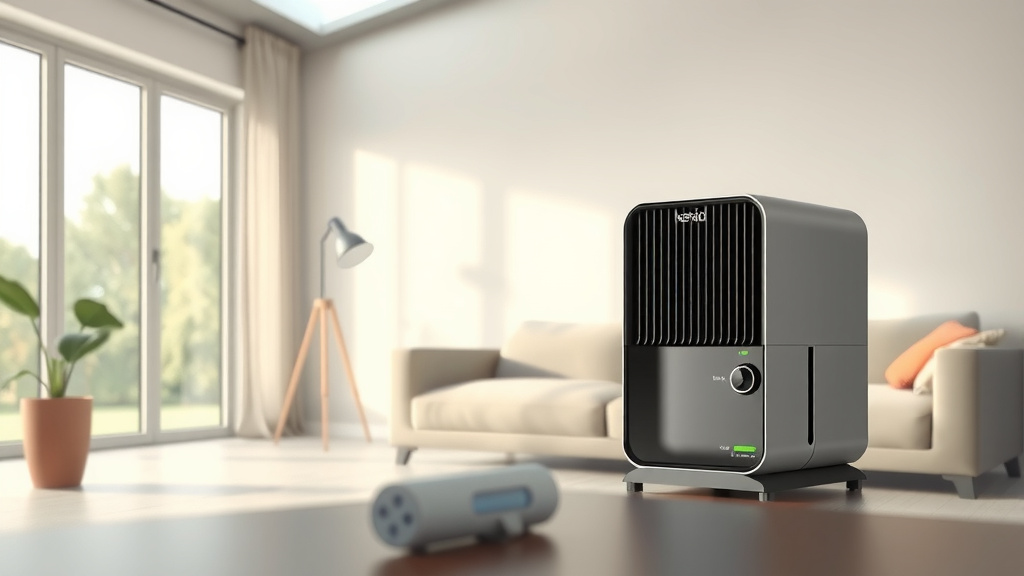
No, dehumidifiers are generally not bad for asthma. In fact, they can be quite beneficial by reducing airborne triggers in your home.
A dehumidifier helps manage your indoor humidity, creating an environment less friendly to common asthma triggers like dust mites and mold.
Here’s a quick summary if you’re short on time:
- Dehumidifiers are generally good for asthma sufferers.
- They lower humidity, which stops dust mites and mold from growing.
- Too much humidity (above 50%) can worsen asthma symptoms.
- Always keep your indoor humidity between 30-50% for best results.
- Clean your dehumidifier regularly to prevent new irritants.
Living with asthma means constantly looking for ways to breathe easier, right? You probably watch what you eat, avoid certain pollens, and keep your home as clean as possible. So, it’s natural to wonder about every device you bring into your space. You might be asking, “Are dehumidifiers bad for asthma?” Let’s clear that up.
Are Dehumidifiers Bad for Asthma?
Absolutely not. For most people with asthma, a dehumidifier is actually a helpful tool for symptom control. It works by removing excess moisture from the air, which directly impacts common asthma triggers.
Understanding Humidity and Your Lungs
Think of your home’s air as a big sponge. It can hold a lot of water vapor, especially when it’s warm. This moisture level, called humidity, plays a big part in how comfortable you feel and, more importantly, how your asthma behaves.
When the air gets too damp, it creates a perfect breeding ground for things that can irritate your airways. For someone with asthma, this can mean more coughing, wheezing, and shortness of breath. We found that keeping humidity in check is a key step (CDC).
The Asthma-Humidity Connection
Many experts say there’s a direct link between high indoor humidity and increased asthma symptoms. Why? Because that damp air loves to host a few unwelcome guests. These tiny invaders can really make life difficult for your lungs.
Tackling Dust Mites
Dust mites are practically invisible, but they are a major asthma trigger. They thrive in humidity levels above 50%. These tiny creatures live in carpets, bedding, and upholstered furniture, feeding on dead skin cells.
When a dehumidifier reduces humidity, you essentially make your home less hospitable for dust mites. This means fewer dust mites, and thus, fewer allergens floating around your living space (NIH).
Stopping Mold Growth
Another big problem in damp environments is mold. You might see it as dark spots on walls, or just smell that musty odor. Mold spores are airborne, and when you breathe them in, they can trigger asthma attacks or allergic reactions.
Mold loves moisture. By removing humidity, a dehumidifier actively works to prevent mold spores from taking root and spreading. It’s a simple yet powerful defense against this allergen in your home.
How a Dehumidifier Supports Breathing
Imagine your home is a bit like a greenhouse, warm and damp. A dehumidifier changes that by pulling moisture out of the air. This change makes your indoor environment less suitable for asthma triggers.
By creating a drier, healthier atmosphere, you’re essentially cleaning the air of these microscopic irritants. This can lead to easier breathing and fewer asthma flare-ups. It’s a proactive step in managing your health.
What’s the Ideal Indoor Humidity?
Finding the right balance is important. You want to aim for a “Goldilocks zone” for humidity. Not too high, not too low. Research often points to a range that is comfortable and healthy for most people.
| Humidity Level | Impact on Asthma | Action Needed |
|---|---|---|
| Above 50% | High risk of dust mites, mold, bacteria growth. Poor for asthma. | Use a dehumidifier. |
| 30% – 50% | Ideal for asthma sufferers. Discourages allergens. | Maintain this level. |
| Below 30% | Can dry out nasal passages, leading to irritation. | May need a humidifier. |
When Humidity is Too High
When your humidity gauge reads above 50%, that’s when you know it’s time for a dehumidifier. This range is prime territory for those dust mites and mold to multiply rapidly. You might notice a sticky feeling in the air or a persistent stuffiness.
Keeping the humidity between 30% and 50% is generally considered the sweet spot for asthma management (Mayo Clinic). This range effectively inhibits the growth of common triggers without making the air too dry.
When Humidity is Too Low
On the flip side, extremely low humidity (below 30%) can also be an issue. Air that is too dry can irritate your nasal passages and throat, sometimes leading to coughing or discomfort. For some, this can feel similar to asthma symptoms.
While dehumidifiers are generally helpful, remember that balance is key. If you find your home getting too dry, you might need to adjust your dehumidifier settings or even consider a humidifier during certain dry seasons.
Selecting a Dehumidifier for Asthma Relief
Choosing the right dehumidifier doesn’t have to be complicated. You’ll want one that matches the size of your room or home. Look for models with a built-in humidistat, which automatically turns the unit on and off to maintain your chosen humidity level. This feature helps prevent over-drying and saves energy.
Keeping Your Dehumidifier Clean (Checklist)
Just like any appliance, your dehumidifier needs a little care. Regular cleaning ensures it runs efficiently and doesn’t become a source of new problems. Follow these simple steps for a clean, effective unit:
- Empty the water bucket regularly: Don’t let water sit and become stagnant.
- Clean the water bucket: Wash it with soap and warm water every few weeks.
- Clean or replace the air filter: Do this every 2-4 weeks to maintain airflow.
- Wipe down exterior vents: Use a damp cloth to remove dust buildup.
- Check for mold or mildew: Inspect inside the unit, especially if it smells musty.
Dehumidifiers vs. Air Purifiers: A Quick Look
Are you wondering if you need an air purifier instead? Or perhaps both? It’s a good question. Both devices aim to improve indoor air quality, but they tackle different problems. They can work together beautifully.
| Device | Primary Function | Benefits for Asthma |
|---|---|---|
| Dehumidifier | Removes excess moisture from the air. | Reduces dust mites and mold growth. |
| Air Purifier | Filters out airborne particles like pollen, pet dander, smoke. | Removes microscopic asthma triggers from the air. |
Are There Any Risks to Using a Dehumidifier?
When used correctly, dehumidifiers pose very few risks for asthma sufferers. The main concern is keeping the humidity level within the recommended range. If the air becomes too dry, it can cause discomfort. You might experience dry skin, eyes, or irritated nasal passages. This is why having a humidistat is so helpful.
Also, neglecting regular cleaning can turn your dehumidifier into a breeding ground for bacteria or mold. However, with simple maintenance, these potential issues are easy to avoid. It’s all about informed use.
When to Consult a Health Professional
While a dehumidifier can be a great addition to your asthma management plan, it’s not a substitute for medical advice. If your asthma symptoms worsen or don’t improve, you should always talk to your doctor. They can provide a personalized treatment plan and help you understand all your options.
We found that working with your healthcare provider is important for managing chronic conditions like asthma (Cleveland Clinic). A dehumidifier is a tool, but your doctor is your guide.
Conclusion
So, are dehumidifiers bad for asthma? The clear answer is no. When used properly, a dehumidifier can be a powerful ally in creating a healthier indoor environment for anyone with asthma. By controlling humidity, you actively reduce the presence of dust mites and mold, leading to fewer triggers and potentially easier breathing.
Remember to aim for that ideal 30-50% humidity range, choose the right unit for your space, and keep it clean. Taking these steps can make a real difference in how you manage your asthma at home. Breathe easier, live better!
Can a dehumidifier make asthma worse?
A dehumidifier is unlikely to make asthma worse if used correctly. The only way it might cause discomfort is if it makes the air too dry (below 30% humidity), which can irritate nasal passages. Maintaining the ideal humidity range of 30-50% prevents this.
How quickly does a dehumidifier affect air quality?
You can often feel the effects of a dehumidifier within a few hours, especially in smaller, damper rooms. It will take longer to notice significant changes in overall air quality and allergen reduction, usually a few days to a week, as dust mites and mold colonies begin to diminish.
Should I use a dehumidifier all year round for asthma?
It depends on your climate and indoor humidity levels. In humid regions, year-round use might be beneficial. In drier areas or during specific seasons, you might only need it when humidity spikes. Use a hygrometer to monitor your home’s humidity and only run the dehumidifier when needed to stay within the 30-50% range.
What are signs that my home needs a dehumidifier?
Common signs include a musty smell, visible mold or mildew on walls or ceilings, condensation on windows, a clammy or sticky feeling in the air, or frequent asthma flare-ups during humid periods. A humidity gauge reading consistently above 50% is a clear indicator.
Where is the best place to put a dehumidifier in an asthma-friendly home?
Place your dehumidifier in the dampest areas of your home, such as a basement, bathroom, laundry room, or frequently used living spaces. Ensure it has enough clear space around it for proper airflow, away from walls and furniture, to maximize its efficiency.