
Do You Need a Humidifier or Dehumidifier?
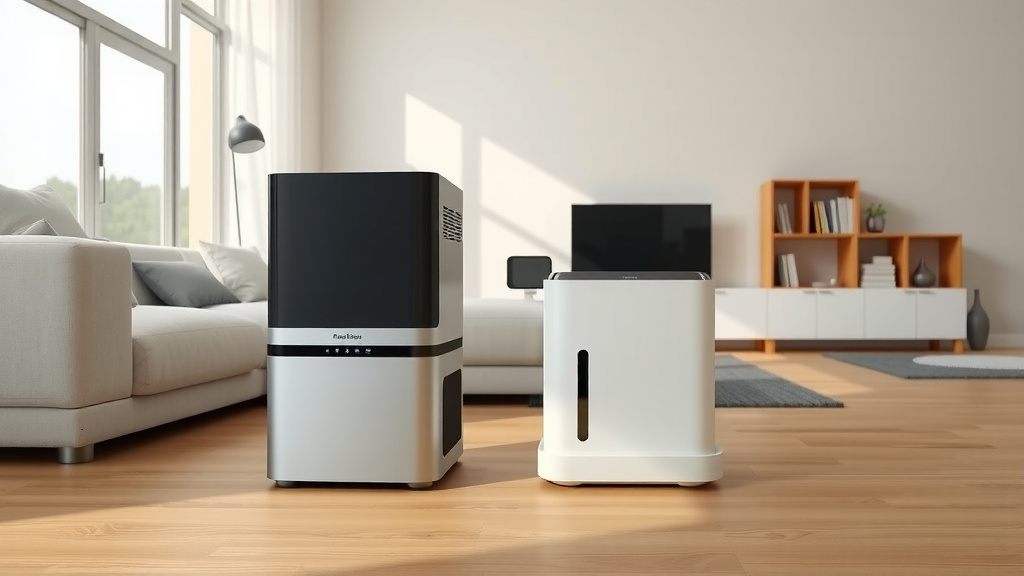
You need a humidifier if your home air feels dry, causing issues like dry skin, static, or sore throats. Conversely, you need a dehumidifier if your indoor air feels damp or clammy, leading to musty smells, mold, or condensation.
Choosing between a humidifier or dehumidifier depends on your indoor humidity levels and the specific problems you’re experiencing in your living spaces.
Here’s a quick guide to help you decide:
- If you have dry skin, static electricity, or nosebleeds, your home might be too dry, suggesting a humidifier.
- If you notice musty odors, condensation, or mold growth, your home is likely too damp, pointing to a dehumidifier.
- Measure your home’s humidity with a hygrometer; ideal levels are between 40-60%.
- Match your symptoms to the right humidity solution for a healthier, more comfortable home.
Do You Need a Humidifier or Dehumidifier?
You need a humidifier when your indoor air is too dry, usually below 30% relative humidity. A dehumidifier becomes essential when your indoor air is too moist, typically above 60% relative humidity (EPA).
Understanding Relative Humidity
Relative humidity tells you how much moisture is in the air. It’s a percentage of the maximum moisture the air can hold at a certain temperature. This number is key for your comfort.
Too much or too little humidity can cause problems for your health and your home. Knowing your home’s level is your first step. It is like understanding the temperature outside.
Why Humidity Levels Matter
Maintaining proper humidity helps keep your family healthy and your home in good condition. We found that extreme levels can affect everything from your breathing to your furniture (NIH).
Finding the right balance creates a more comfortable and inviting living space. It makes a big difference in how your home feels daily.
Signs Your Home is Too Dry (You Might Need a Humidifier)
Have you ever noticed your skin feeling tight or flaky? That could be a sign of dry air. Many people experience dry, itchy skin when humidity drops.
Static electricity can become a nuisance, giving you little shocks. You might see cracked wooden furniture or peeling paint, too. These are all clues.
Common Dry Air Symptoms
- Dry or chapped lips
- Static shocks
- Nosebleeds
- Dry cough or sore throat
- Cracked wood or plaster
These symptoms often worsen during winter months when heating systems run constantly. This heating dries out the air even more. A humidifier adds essential moisture back into your home.
Benefits of a Humidifier
Adding moisture to dry air can bring significant relief. It helps soothe dry skin and can ease respiratory irritation. Many experts say it can help with congestion and sinus issues.
A humidifier can also protect your home’s wooden elements. It prevents them from drying out and cracking over time. Your plants might even look healthier with better humidity (CDC).
Signs Your Home is Too Damp (You Might Need a Dehumidifier)
Do you notice a persistent musty smell in your basement or bathroom? That’s a strong indicator of excess moisture. It often means humidity is too high.
Condensation on windows or cold surfaces is another tell-tale sign. You might also spot visible mold growth on walls or ceilings. These are clear calls for a dehumidifying solution.
Common Damp Air Symptoms
Your home may feel sticky or clammy even when temperatures are moderate. Clothes might take forever to dry, creating more dampness. This moisture can be a breeding ground for problems.
We found that high humidity can attract pests like dust mites. It also promotes the growth of mildew. Your home feels less fresh and more stifling. Look for visible water stains or peeling wallpaper.
Benefits of a Dehumidifier
A dehumidifier actively removes excess moisture from the air. This immediately reduces that sticky, uncomfortable feeling. It creates a much more comfortable environment.
Lowering humidity helps prevent mold and mildew growth. This protects your health and your home’s structure. It also discourages dust mites and other moisture-loving pests. Your home will smell fresher and cleaner (Mayo Clinic).
How to Measure Your Home’s Humidity
The best way to know if you need a humidifier or dehumidifier is to measure your indoor humidity. A small, inexpensive device called a hygrometer does this job well. You can find them at most hardware stores.
Place the hygrometer in different rooms to get an accurate reading. We found that humidity levels can vary across your home. Check different areas, especially basements or bathrooms. This gives you a clearer picture of your needs.
Ideal Indoor Humidity Levels
Most experts agree that the ideal indoor relative humidity is between 40% and 60%. This range provides the best balance for comfort, health, and home preservation. Staying within this zone is key.
When humidity consistently falls below 30%, you likely need a humidifier. If it regularly rises above 60%, a dehumidifier is your best bet. Use these numbers as your guide for action.
Choosing the Right Solution: Humidifier vs. Dehumidifier
Deciding between the two really comes down to your home’s specific needs. Think about the symptoms you’re experiencing. Are they related to dryness or excessive moisture? Consider these factors.
It is like choosing between a fan or a heater; each serves a distinct purpose. You wouldn’t use a fan to warm a cold room. Similarly, don’t try to dry air with a humidifier. Match the problem to the solution.
Quick Comparison Table
To help you decide, here’s a simple table comparing the common signs and solutions:
| Condition | Common Signs | Recommended Device |
|---|---|---|
| Air Too Dry | Dry skin, static, nosebleeds, cracked wood | Humidifier |
| Air Too Damp | Musty smell, mold, condensation, sticky feeling | Dehumidifier |
Your Humidity Checklist
Not sure where to start? Use this quick checklist to pinpoint your home’s needs:
- Did you use a hygrometer to measure current humidity?
- Are you experiencing dry skin or static shocks?
- Have you noticed any musty smells or mold growth?
- Is there consistent condensation on your windows?
- Do you or family members suffer from dry throats or congestion?
- Does your home feel uncomfortably sticky or clammy?
Tallying your “yes” answers can clearly guide your decision. More “yeses” for dry symptoms mean a humidifier. More “yeses” for damp symptoms point to a dehumidifier. Take action based on your findings.
Conclusion
Deciding between a humidifier and a dehumidifier doesn’t have to be complicated. It boils down to understanding your home’s unique climate and listening to its signals. Your comfort and health are directly tied to these levels. By observing your symptoms and using a hygrometer, you can make an informed choice.
Remember, the goal is a balanced indoor environment, ideally between 40% and 60% relative humidity. Whether you add moisture or remove it, you’re investing in a more comfortable and healthier living space. Take control of your indoor air quality and enjoy the difference it makes every day.
FAQs About Humidifiers and Dehumidifiers
Can I use both a humidifier and a dehumidifier in my home?
Yes, but generally not at the same time in the same area. You might use a dehumidifier in a damp basement during summer and a humidifier in your dry bedroom during winter. Assess each room and season separately.
How often should I clean my humidifier or dehumidifier?
Most manufacturers recommend cleaning humidifiers every few days to prevent mold and bacteria buildup, especially if you use tap water. Dehumidifiers, especially the water bucket and filter, should be cleaned monthly during active use to maintain efficiency and prevent odors.
Will a humidifier help with allergies?
For some allergies, particularly those related to dry air and irritated nasal passages, a humidifier can offer relief by soothing membranes. However, for allergies triggered by mold or dust mites, a humidifier can worsen symptoms by increasing humidity. If you have such allergies, maintaining lower humidity with a dehumidifier is often better.
Do dehumidifiers use a lot of electricity?
Dehumidifiers can use a fair amount of electricity, similar to a small air conditioner. The exact consumption depends on the unit’s size, efficiency, and how hard it works. Running it only when needed and maintaining it properly can help manage energy costs.
Where should I place my humidifier or dehumidifier for best results?
Place a humidifier in the room where you spend the most time and feel the effects of dry air, often bedrooms. For dehumidifiers, place them in the dampest areas, like basements, crawl spaces, or bathrooms, ensuring they are away from walls for good airflow.
