
Do You Run a Dehumidifier All Year?
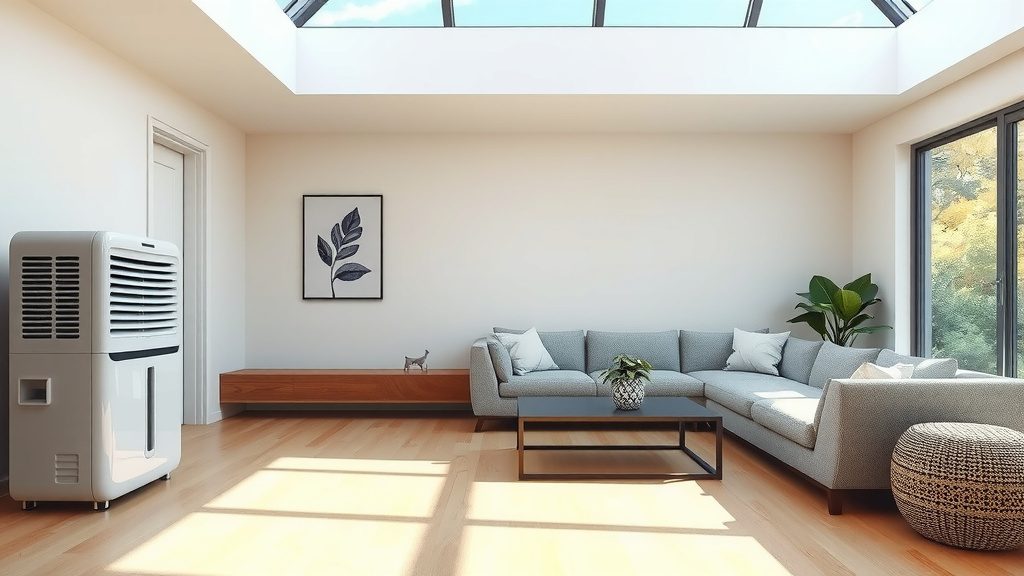
Running a dehumidifier all year is often beneficial for homes in consistently humid climates or those with persistent moisture issues. It can prevent mold growth and protect your belongings.
While not every household needs a dehumidifier 24/7, continuous use offers significant advantages where dampness is a constant concern.
Here’s a quick summary of what you’ll find:
- Discover if year-round dehumidifier use fits your home’s needs.
- Understand the signs of too much, or too little, indoor humidity.
- Learn how humidity impacts your health and your living space.
- Get practical tips for optimizing your dehumidifier’s performance.
- Find out when to keep it running and when to give it a break.
Do You Run a Dehumidifier All Year?
The decision to run your dehumidifier all year depends heavily on your specific home environment. Many homes benefit from consistent moisture control.
However, it’s not a one-size-fits-all answer for everyone. Your climate and home structure play a big role.
Understanding Your Home’s Humidity
Humidity is simply the amount of water vapor in the air. We measure it as relative humidity (RH).
For optimal comfort and health, indoor RH should ideally stay between 30% and 50% (EPA guidelines suggest 30-60%, but many experts prefer the lower end).
If your home feels sticky or smells musty, your humidity might be too high.
What Happens with Too Much Humidity?
Excessive moisture creates a perfect breeding ground for mold and mildew. These can trigger allergies and asthma symptoms.
High humidity also damages your home. It warps wood, peels paint, and rusts metal. Your electronics can suffer, too.
Beyond damage, high humidity just feels unpleasant. It makes you feel warmer and less comfortable inside your own house.
When to Turn On Your Dehumidifier
Most people turn on their dehumidifiers during warm, rainy seasons. This is when outdoor humidity naturally rises.
You should also turn it on if you notice condensation on windows. A musty smell in your basement or bathroom is another clear sign.
We found that many homes also experience high humidity from daily activities like showering and cooking.
The “All Year” Question – A Balancing Act
For some homes, especially in consistently damp regions, year-round operation makes sense. Think coastal areas or homes with poor ventilation.
However, running a dehumidifier when not needed wastes energy. It can also make your air too dry, which brings its own set of problems.
The goal is a balanced humidity level, not bone-dry air.
Benefits of Year-Round Dehumidification
Consistent dehumidification protects your home from long-term moisture damage. It keeps mold at bay year-round, not just seasonally.
Many experts say it can even make your air conditioner more efficient. Dry air feels cooler than humid air at the same temperature.
This means your AC unit works less hard. This could potentially lower your energy bills over time.
Drawbacks of Continuous Operation
Running any appliance constantly uses electricity. A dehumidifier adds to your utility bill, especially if it’s an older model.
Continuous use also increases wear and tear on the unit. You might face more frequent maintenance or replacement needs.
Moreover, if your air becomes too dry, you might experience dry skin, irritated sinuses, or static electricity issues.
How to Decide for Your Home
Start by monitoring your home’s humidity with a hygrometer. These are inexpensive and offer valuable data.
Pay attention to how your home feels throughout the seasons. Do you always have a damp basement? Is your attic always humid?
Consider your personal comfort and any existing health conditions that might be sensitive to humidity levels (CDC).
Factors Affecting Humidity Levels
Outdoor weather is a big factor, with rain and high temperatures increasing indoor humidity. Poor home ventilation also traps moisture.
Daily activities, like doing laundry or taking hot baths, add moisture to the air. Even houseplants release moisture.
Your home’s construction, like a leaky foundation or old windows, impacts indoor dampness as well.
Smart Dehumidifier Usage Tips
Set your dehumidifier’s humidistat to your desired humidity level, ideally between 40% and 50%. The unit will then cycle on and off as needed.
Clean the air filter regularly, usually every few weeks. This helps the unit run efficiently and extends its life.
Place your dehumidifier in the dampest areas of your home. Basements, crawl spaces, and laundry rooms are common spots.
Your Dehumidifier Checklist
- Monitor humidity with a hygrometer.
- Clean the filter every 2-4 weeks.
- Empty the water tank regularly or use continuous drain.
- Check for unusual noises or smells.
- Ensure proper airflow around the unit.
Signs Your Home is Too Dry
If your skin feels itchy or dry, or if your throat feels scratchy, your air might be too dry. Static electricity shocks are another common sign.
Wooden furniture and floors can start to crack or warp when the air lacks enough moisture. Even houseplants might look droopy.
These signs suggest you should reduce or pause your dehumidifier use. Balance is key for comfort and home integrity.
Choosing the Right Dehumidifier
The right dehumidifier depends on your home’s size and moisture problem. Capacity is measured in pints of water removed per day.
A small unit might work for a single damp room. A larger one is needed for an entire basement or living area.
Some units offer features like automatic shut-off or continuous drain options, which add convenience.
Portable vs. Whole-House Units
When you’re considering your options, it’s good to know the differences between unit types.
| Feature | Portable Dehumidifier | Whole-House Dehumidifier |
|---|---|---|
| Coverage Area | Single room or small zone | Entire home (connected to HVAC) |
| Installation | Plug-and-play, no installation | Professional installation required |
| Water Removal | Manual emptying or small drain hose | Continuous drainage, often into a floor drain |
| Cost | Lower initial purchase price | Higher initial cost, including installation |
| Maintenance | Filter cleaning, tank emptying | Filter replacement, periodic professional checks |
Conclusion
Whether you run a dehumidifier all year comes down to your unique situation. Monitor your home’s humidity levels closely. Observe how your family and house react to different seasons.
For many, seasonal use is sufficient, particularly during humid summers. For others, especially in perpetually damp climates or homes with ongoing moisture challenges, continuous operation offers significant benefits in maintaining a healthy and comfortable living space.
Listen to your home and adjust your dehumidifier use accordingly. This flexible approach ensures you get the most out of your unit without wasting energy or making your air too dry.
When is year-round dehumidifier use a must?
Year-round dehumidifier use is often a must in basements, crawl spaces, or homes in very humid climates where moisture problems persist through all seasons. If you consistently find condensation, musty odors, or signs of mold, continuous operation is highly recommended for your home’s health and integrity.
Can a dehumidifier help with allergies during winter?
Yes, a dehumidifier can indirectly help with allergies, even in winter. If your home has high winter humidity from indoor sources, it can still encourage dust mites and mold growth. By maintaining ideal humidity levels, your dehumidifier reduces these common allergens, potentially lessening allergy symptoms.
What is the ideal humidity level to maintain in a home?
Many experts and health organizations, like the EPA, recommend maintaining indoor relative humidity between 30% and 50% for optimal comfort and health. This range discourages the growth of mold, dust mites, and bacteria while preventing the air from becoming too dry.
Does running a dehumidifier continuously use a lot of electricity?
Running a dehumidifier continuously does use electricity, and the amount varies by unit size and efficiency. Modern Energy Star rated models are generally more efficient. However, continuous use will add to your energy bill. Using a humidistat helps by allowing the unit to only run when needed.
How do I know if my dehumidifier is working effectively?
You can check your dehumidifier’s effectiveness by using a separate hygrometer placed in the same room. If the hygrometer shows humidity levels dropping into the ideal 30-50% range, your unit is working well. You should also notice less condensation and a fresher, less humid feel in the air.
