
Does a Dehumidifier Have Freon in It?
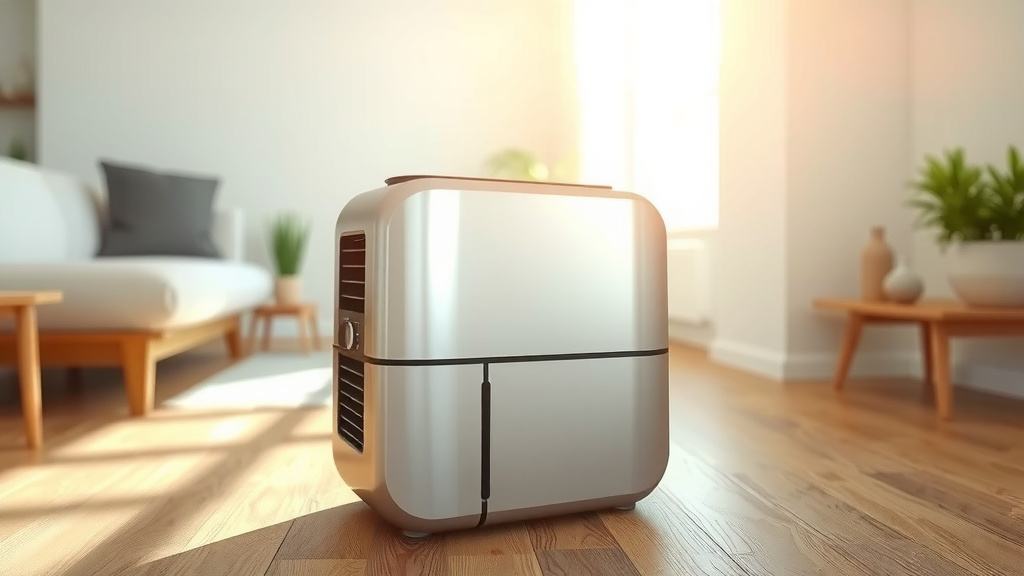
Modern dehumidifiers typically do not contain Freon; instead, they use safer, more environmentally friendly refrigerants like R-410A or R-134a.
Older dehumidifier models, especially those manufactured before 2010, might still contain Freon (R-22), which is now largely phased out due to its impact on the ozone layer.
- Most new dehumidifiers use eco-friendly refrigerants, not Freon.
- Freon, specifically R-22, was common in older units but is now restricted.
- Check your dehumidifier’s label to find out its specific refrigerant type.
- Proper disposal is important if you have an old unit containing R-22.
- Newer models offer better efficiency and environmental safety.
Does a Dehumidifier Have Freon in It?
You might be wondering about the “mystery gas” inside your dehumidifier. The short answer is: probably not Freon if it’s a newer model. Most modern dehumidifiers utilize refrigerants that are much kinder to our planet.
We found that the type of refrigerant depends largely on when your dehumidifier was made. Older units are the ones more likely to house the controversial Freon.
Understanding Refrigerants in Dehumidifiers
Think of a dehumidifier like a miniature air conditioner. It works by drawing moist air over a cold coil. This coil needs a special substance to get cold enough, and that substance is called a refrigerant. It’s the circulatory system of your unit.
This refrigerant cycles through the system, changing from liquid to gas and back again. This process absorbs heat and moisture from the air, making your home feel much drier and more comfortable.
The Shift Away From Freon (R-22)
For many years, a chemical compound known as R-22 was the refrigerant of choice for many appliances. You might know it by its brand name, Freon. But times change, and so does our understanding of environmental impact.
Many experts say that R-22, while effective, also posed a significant environmental concern. This led to a worldwide effort to move away from it. Do you remember seeing those “ozone-friendly” labels everywhere?
What Was Freon?
Freon is a common trade name for several fluorocarbon refrigerants. The specific one used in older dehumidifiers and air conditioners was R-22. It was incredibly efficient at cooling and dehumidifying spaces.
However, scientists discovered that R-22 contributed to the depletion of the ozone layer. This layer protects us from harmful ultraviolet (UV) radiation from the sun. Losing it is not a good thing for anyone.
Why the Change?
The Montreal Protocol, an international treaty signed in 1987, aimed to phase out ozone-depleting substances. This global agreement directly impacted the use of R-22. The goal was to protect our atmosphere for future generations.
Because of this, manufacturing and importing new R-22 stopped in the U.S. in 2010, with a complete ban on production by 2020 (U.S. EPA). This means finding Freon for refills can be difficult and expensive.
Modern Dehumidifiers: What They Use Now
So, if not Freon, what do new dehumidifiers use? Happily, there are several effective and environmentally sound alternatives. These newer refrigerants help keep your home dry without harming the ozone layer.
The industry has largely adopted HFCs (hydrofluorocarbons), which are much better for the ozone. They work just as well, if not better, at keeping your home’s humidity at healthy levels.
R-410A: The Current Standard
If you buy a new dehumidifier today, chances are it uses R-410A. This refrigerant is an HFC blend that does not deplete the ozone layer. It’s also often more energy-efficient in modern systems.
We found that R-410A is a common choice for many residential cooling appliances. It offers excellent performance and reliability, which is why it became the industry standard.
R-134a: Another Common Option
Another prevalent refrigerant you might find in dehumidifiers is R-134a. This HFC is also ozone-friendly and has been used in various applications, including automotive air conditioning for years.
R-134a is known for its versatility and is a good option for different types of dehumidifier designs. It’s safe and effective, helping you maintain comfortable indoor humidity.
How to Identify Your Dehumidifier’s Refrigerant
Are you curious what’s inside your existing unit? Identifying the refrigerant type is simpler than you might think. You usually don’t need to be a detective to find this information.
Knowing your refrigerant is helpful, especially if you ever need service or plan to dispose of an older unit. It’s a bit like knowing your car’s fuel type; it’s useful knowledge.
Check the Manufacturer’s Label
The easiest way to check is to look at the unit itself. Most dehumidifiers have a label or sticker, often on the back or side. This label lists important details, including the refrigerant type and charge amount.
It’s usually a small sticker, but it contains all the key specifications. Look for “Refrigerant Type” or “R-22,” “R-410A,” or “R-134a” clearly printed there.
When in Doubt, Ask an Expert
If you can’t find the label, or if it’s worn off, don’t worry. You can always check your owner’s manual, which should contain this information. A quick online search with your model number can also help.
Still unsure? Contacting the manufacturer’s customer service or a qualified HVAC technician can provide a definitive answer. They know these units inside and out.
Here’s a quick checklist to help you identify your dehumidifier’s refrigerant type:
- Locate the manufacturer’s data plate or sticker on the unit.
- Look for the section labeled “Refrigerant Type” or “Refrigerant.”
- Note down the code, which will likely be R-22, R-410A, or R-134a.
- Check your owner’s manual if the label is missing or unreadable.
- If all else fails, search online using your exact model number.
- Consider calling a professional if you need further assistance.
The Environmental Impact of Dehumidifier Refrigerants
The choice of refrigerant isn’t just about how well it dries your air. It also has a wider impact on the world around us. We all share this planet, right?
Modern refrigerants represent a conscious step towards reducing our ecological footprint. It’s a move we can all feel good about. It’s a small change with a big difference.
Protecting Our Planet
The goal of phasing out R-22 was to repair and protect the ozone layer. This has been a successful effort, and scientists have observed the ozone layer slowly recovering (NASA). It shows that collective action works.
By choosing appliances with ozone-friendly refrigerants, you’re contributing to this global effort. It’s a simple way to support environmental health. Every little bit counts.
What if Your Dehumidifier Has Freon?
So, you’ve checked, and your older unit does contain R-22. What now? There’s no need to panic. Your dehumidifier isn’t suddenly a hazardous waste dump sitting in your basement.
The key is understanding how to handle it responsibly, especially when its working life comes to an end. It’s about being a responsible appliance owner.
Continued Safe Use
If your R-22 dehumidifier is still working well, you can continue to use it. The refrigerant is safely contained within the sealed system. It poses no danger unless there’s a leak.
Regular maintenance can help prevent leaks and keep your unit running efficiently. Just keep an eye out for any sudden drops in performance or unusual noises.
Proper Disposal is Key
When an R-22 dehumidifier stops working, or you decide to upgrade, proper disposal is critical. You cannot simply throw it out with your regular trash. The refrigerant must be recovered by certified professionals.
Many local municipalities and waste management centers have specific programs for appliance disposal. Check with your local government for guidance on proper recycling or disposal methods. This ensures the R-22 is handled safely.
Benefits of Modern, Freon-Free Dehumidifiers
Upgrading to a new dehumidifier offers several advantages beyond just environmental responsibility. It can mean a better experience for you and your home.
These newer models are designed with today’s technologies in mind, bringing a host of practical improvements to your daily life. It’s not just about what’s inside, but how it works for you.
Efficiency and Performance
Newer dehumidifiers often boast better energy efficiency. They can remove more moisture with less electricity, saving you money on utility bills. It’s like getting more bang for your buck.
They also come with features like digital humidistats, automatic shut-offs, and continuous drainage options. These features make them easier and more convenient to use.
Here’s a comparison of common refrigerant types:
| Refrigerant Type | Common In | Ozone Impact | Status |
|---|---|---|---|
| R-22 (Freon) | Older Dehumidifiers (pre-2010) | Ozone-Depleting | Phased Out/Restricted |
| R-410A | Newer Dehumidifiers | Zero Ozone Depletion | Current Standard |
| R-134a | Newer Dehumidifiers, Car AC | Zero Ozone Depletion | Common Alternative |
Healthier Home Environment
By effectively removing excess moisture, modern dehumidifiers help prevent mold growth, mildew, and dust mites. This leads to a healthier indoor air quality for you and your family.
Many people with allergies or asthma find relief when humidity levels are controlled. It’s like breathing a sigh of relief in your own home, making it a more comfortable sanctuary.
Making the Right Choice for Your Home
Whether you’re holding onto an older dehumidifier or considering a new one, you have options. It’s about finding the balance between what you need and what’s best for the environment.
We believe that an informed decision is always the best decision. Understanding your appliance helps you make smarter choices for your living space.
Conclusion
So, does your dehumidifier have Freon? For most people with a newer model, the answer is a reassuring no. The industry has made a significant shift to more environmentally friendly refrigerants like R-410A and R-134a. This change helps protect our precious ozone layer.
If you own an older unit, especially one made before 2010, it might contain R-22 (Freon). The important thing is to use it responsibly while it’s working and to ensure proper disposal when its time comes. By staying informed, you’re not just maintaining a dry home; you’re also playing a part in a healthier planet. Isn’t that a breath of fresh air?
FAQs About Dehumidifiers and Refrigerants
Is R-410A also being phased out like R-22?
While R-410A is ozone-friendly, it does have a high Global Warming Potential (GWP). There are ongoing efforts to transition to refrigerants with lower GWP, like R-32 or R-454B, but R-410A is currently still widely used and not yet phased out in the same way R-22 was.
Can I refill an R-22 dehumidifier if it leaks?
Refilling an R-22 dehumidifier is generally not recommended or cost-effective. R-22 is very expensive and hard to find. If your unit leaks, it often signals the end of its functional life. It’s usually better to consider replacing it with a new, energy-efficient model.
Are Freon-free dehumidifiers less effective at removing moisture?
Not at all! Modern dehumidifiers using refrigerants like R-410A are designed to be highly effective at removing moisture. They often come with improved technology that makes them more energy-efficient and capable of maintaining optimal humidity levels just as well, if not better, than older R-22 units.
How do I know if my dehumidifier is leaking refrigerant?
Signs of a refrigerant leak in your dehumidifier can include reduced dehumidifying performance (the unit runs but collects less water), unusual hissing or gurgling sounds, or ice buildup on the coils. If you suspect a leak, it’s best to have a qualified technician inspect the unit.
What should I do with a broken dehumidifier that contains R-22?
Do not dispose of a broken R-22 dehumidifier in regular trash. The refrigerant must be recovered by certified professionals to prevent its release into the atmosphere. Contact your local waste management services or an appliance recycling center for proper disposal instructions and to arrange for refrigerant recovery.
