
Does a Dehumidifier Help in Hot Weather?
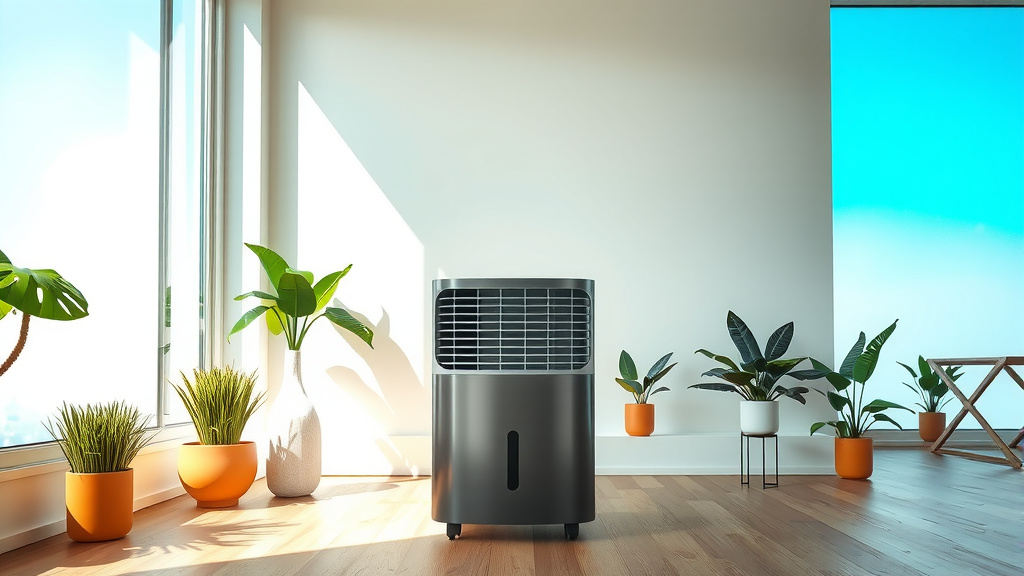
Yes, a dehumidifier can absolutely help in hot weather, especially when humidity levels are high. It works by removing excess moisture from the air, making the heat feel less oppressive and more bearable.
A dehumidifier makes your environment feel cooler and more comfortable by tackling the muggy, sticky feeling that often comes with hot, humid conditions. This can even reduce the workload on your air conditioning.
Too busy to read it all? Here’s the scoop on dehumidifiers in hot weather:
- A dehumidifier significantly improves comfort in hot, humid conditions by reducing stickiness.
- It helps your air conditioner work more efficiently and potentially lowers energy bills.
- Lowers indoor humidity, preventing mold, mildew, and dust mites.
- Creates a healthier and more pleasant living space.
- Essential for anyone living in or visiting a humid climate.
Does a Dehumidifier Help in Hot Weather?
Yes, without a doubt, a dehumidifier is a great tool for hot weather, particularly when it’s sticky and humid. It actively pulls moisture from the air, making your space feel much more pleasant. Think of it as a way to enhance your comfort when the air feels thick.
Many people find that even a few degrees higher temperature feels okay when the humidity is under control. A dehumidifier tackles that muggy feeling head-on, giving you a noticeable difference in your indoor climate. It’s about more than just temperature; it’s about overall air quality.
Understanding Humidity in Hot Weather
When the air is hot, it can hold a lot more moisture. This is why you often experience that heavy, oppressive feeling during summer. High humidity makes sweat evaporate slowly, which is how your body naturally cools itself. When sweat can’t evaporate, you feel much hotter.
The air temperature might be 85 degrees Fahrenheit, but if the humidity is high, it can feel like 90 degrees or more. This phenomenon is known as the heat index. It’s the combined effect of air temperature and relative humidity on how it feels to the human body (National Weather Service).
The ‘Feels Like’ Temperature Factor
Have you ever noticed how a dry heat feels different from a humid heat? That’s the “feels like” temperature at play. When the air is saturated with moisture, your body struggles to release heat through sweating, making you feel much warmer than the thermometer indicates. A dehumidifier directly addresses this discomfort by lowering the moisture content in the air around you.
Many people report feeling relief simply from reducing the relative humidity, even if the actual temperature remains constant. It’s about optimizing your environment for effective body cooling. This difference can be truly surprising.
How a Dehumidifier Tackles Summer Stickiness
A dehumidifier operates by drawing in humid air over a cold coil. The moisture in the air condenses into water droplets, which are then collected in a tank. Dry air is then released back into the room. This process works continuously to reduce the overall humidity level in your home.
This removal of moisture directly translates to a less sticky, more breathable atmosphere. You’ll notice your skin feels less clammy, and your clothes won’t feel damp. It’s a simple yet highly effective way to gain control over your indoor climate.
Beyond Comfort: Energy Savings Too?
You might wonder if running another appliance uses more energy. While a dehumidifier uses electricity, it can actually help your air conditioner run more efficiently. An AC unit also dehumidifies, but it often works harder to cool air that’s also heavy with moisture. By pre-treating the air with a dehumidifier, your AC has less moisture to remove.
This means your air conditioner may not need to run as long or as intensely to reach your desired comfort level. Many homeowners find this leads to lower overall energy consumption during peak summer months. It’s about creating a smart, combined strategy for cooling and comfort.
Health Benefits of Lowering Humidity
Beyond comfort, maintaining proper humidity levels offers significant health advantages. High humidity creates a breeding ground for various allergens and irritants. By reducing moisture, you’re also creating a less hospitable environment for these unwelcome guests. This helps improve your indoor air quality.
The ideal indoor humidity level is generally between 30% and 50% (EPA). A dehumidifier helps you stay within this range, supporting a healthier home environment for everyone. It’s a preventative measure that benefits your well-being.
Stopping Mold and Mildew Growth
Mold and mildew thrive in moist, warm conditions, which are common during hot, humid weather. These fungi can grow on walls, ceilings, carpets, and even within your HVAC system. They not only cause musty odors but can also lead to property damage and health issues. A dehumidifier directly combats this problem by removing their primary fuel: moisture.
Regular use of a dehumidifier helps keep surfaces dry, making it extremely difficult for mold spores to take hold and reproduce. Many experts point to humidity control as a key strategy for mold prevention (CDC).
Reducing Allergens and Pests
Dust mites, a common trigger for allergies and asthma, flourish in high humidity. When the humidity is below 50%, dust mites struggle to survive and reproduce. A dehumidifier helps keep these tiny pests at bay. Additionally, damp conditions attract other unwanted insects like cockroaches and silverfish, which also prefer moist environments. By drying out your home, you make it less appealing for various pests.
This means fewer sneezes, less congestion, and a generally cleaner living space. It’s a simple change that can have a big impact on allergy sufferers.
Where to Place Your Dehumidifier for Best Results
Strategic placement is key to maximizing your dehumidifier’s effectiveness. The goal is to place it where moisture is most prevalent or where you feel the greatest discomfort. Think about areas that consistently feel muggy or have a distinct musty smell. A single unit might not dry your entire house, so prioritize the most affected zones.
Ensure the dehumidifier has enough space around it for proper airflow. Don’t push it directly against a wall or furniture, as this can impede its performance. Good air circulation around the unit is essential for efficient operation.
Common Rooms for Dehumidification
Some areas in a home naturally collect more moisture than others. Basements and crawl spaces are prime candidates due to their underground location and limited ventilation. Laundry rooms, especially if you air dry clothes, also tend to be humid. Bathrooms, if not properly vented, can also benefit. Consider these specific areas first when deciding where to put your unit. Targeting these spots can bring noticeable improvements quickly.
Living rooms and bedrooms, particularly in larger homes, may also benefit from a dehumidifier, especially during peak summer heat. It’s about identifying where you need the most relief from the stickiness.
Choosing the Right Dehumidifier for Your Space
Selecting the correct size and capacity for your dehumidifier is important. A unit that’s too small for your space won’t be effective, while one that’s too large might run unnecessarily or be overkill. Most manufacturers provide guidelines based on square footage and existing humidity levels. Consider both the size of the room and how damp it typically feels. This ensures you get a unit that’s up to the task.
Do you need a small, portable unit for a single room, or a larger, whole-house system? Understanding your needs helps you make an informed purchase decision. Look at energy efficiency ratings too.
Checking Room Size and Capacity
Dehumidifier capacity is measured in pints of water removed per day. For a moderately damp room of about 500 square feet, a 20-30 pint unit might be suitable. For very damp or wet rooms, or larger spaces up to 2000 square feet, you might need a 50-70 pint unit. Always check the manufacturer’s recommendations. This helps you avoid an underpowered unit that can’t keep up. Getting the right size means optimal performance and comfort.
It’s better to choose a slightly larger capacity if you’re unsure, as it will likely run more efficiently than an undersized unit struggling to keep up. This can save you frustration and energy in the long run.
Tips for Optimizing Dehumidifier Performance
Once you have your dehumidifier, a few simple practices can help it work its best. Keeping doors and windows closed in the area where it’s running prevents humid outdoor air from entering. Regularly emptying the water collection tank, or connecting it to a drain if possible, ensures continuous operation. Also, make sure to clean the air filter often. A dirty filter can restrict airflow and reduce efficiency. These small habits lead to better dehumidification results.
- Close doors and windows in the treated area.
- Clean the air filter every few weeks.
- Empty the water tank regularly or use a drain hose.
- Ensure adequate airflow around the unit.
- Set the desired humidity level, typically between 40-50%.
Dehumidifier vs. Air Conditioner: A Team Effort
Some people confuse dehumidifiers with air conditioners, or think they perform the same exact function. While ACs do remove some moisture as a byproduct of cooling, their primary job is to lower the temperature. A dehumidifier’s sole purpose is to extract humidity. They work best as a team, each tackling a specific aspect of indoor climate control. Think of them as complementary appliances.
When used together, an air conditioner can cool more effectively because it’s not fighting against high humidity. This means you get a cooler, drier, and more comfortable home without overworking either appliance. It’s a winning combination for summer.
| Feature | Dehumidifier | Air Conditioner |
|---|---|---|
| Primary Function | Removes moisture from air | Lowers air temperature |
| Impact on “Feel” | Makes hot, humid air feel cooler | Directly cools the air |
| Energy Efficiency | Often lower power draw than AC for humidity control | Higher power draw, especially for cooling large spaces |
| Health Benefits | Prevents mold, reduces dust mites | Can reduce allergens via filtration |
| Best Use Case | Humid conditions where cooling isn’t the only concern | Hot conditions where temperature reduction is key |
Conclusion
In summary, a dehumidifier is a highly effective appliance for hot weather, especially when combined with high humidity. It tackles that unpleasant stickiness, making your living space feel much more comfortable without necessarily dropping the temperature. This often results in a more efficient air conditioning system and potentially lower energy bills. Beyond comfort, it plays a vital role in creating a healthier home by preventing mold growth and reducing common allergens like dust mites. If you live in a humid climate, or even experience muggy summers, a dehumidifier is a smart investment for your home and your well-being. Consider it an essential part of your summer comfort strategy. You’ll likely notice a significant improvement in your indoor environment.
Does a dehumidifier make a room feel cooler?
Yes, a dehumidifier can make a room feel significantly cooler, even if it doesn’t actually lower the air temperature. By removing excess moisture, it reduces the “feels like” temperature, allowing your body’s natural cooling mechanism (sweating) to work more effectively. This creates a much more comfortable and less oppressive sensation.
Can I use a dehumidifier and an air conditioner at the same time?
Absolutely, using a dehumidifier and an air conditioner together can be very effective. The dehumidifier removes the heavy moisture, making it easier for your AC to cool the air. This synergy can lead to better comfort and potentially more energy-efficient cooling, as neither unit has to work as hard on its own.
How do I know if I need a dehumidifier in my home?
You likely need a dehumidifier if you notice persistent signs of high humidity. This includes a constantly sticky or clammy feeling, condensation on windows, musty odors, visible mold or mildew growth, or frequent allergy symptoms. A hygrometer can also measure your indoor humidity levels, with anything consistently above 50% indicating a need for a dehumidifier.
What is the ideal humidity level for a home?
Many experts and guidelines, including the EPA, recommend maintaining indoor relative humidity levels between 30% and 50%. This range is generally considered ideal for human comfort, preventing mold growth, and deterring dust mites and other pests. A dehumidifier can help you achieve and maintain this optimal balance.
Are there any downsides to using a dehumidifier in hot weather?
The main considerations for using a dehumidifier include its energy consumption, which adds to your electricity bill, and the need for regular maintenance like emptying the water tank or cleaning filters. Also, some units can produce a moderate amount of noise. However, for most people in humid climates, the benefits of improved comfort and air quality far outweigh these minor drawbacks.
