
Does a Dehumidifier Help with Cooling?
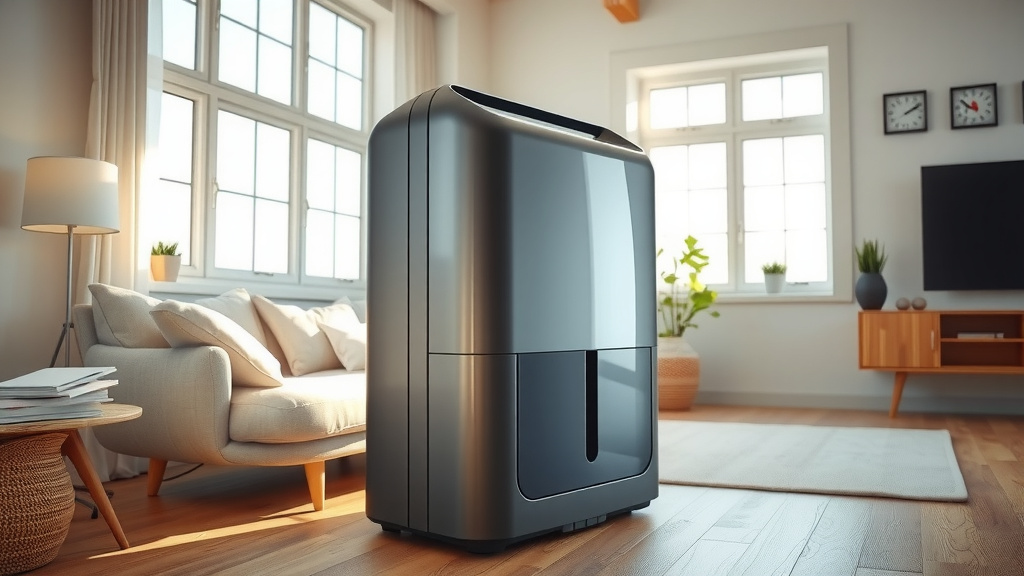
No, a dehumidifier does not directly cool the air temperature like an air conditioner. Its primary function is to remove excess moisture from your indoor environment.
However, by lowering humidity, a dehumidifier makes the air feel much cooler and more comfortable, allowing you to often set your thermostat higher.
Here’s a quick summary of what you’ll discover in this guide:
- Dehumidifiers tackle humidity, not air temperature.
- Lowering humidity makes your space feel significantly cooler and more pleasant.
- You can often raise your AC thermostat, saving energy and money.
- They prevent mold, mildew, and protect your home from moisture damage.
Does a Dehumidifier Help with Cooling?
While a dehumidifier won’t drop the mercury on your thermometer, it plays a vital role in how cool you actually feel. Think of it as a hidden helper against that sticky, oppressive heat.
When the air is less humid, your body can cool itself more effectively. This is where the magic happens, giving you a sense of relief.
Understanding “Feels Like” Temperature
Have you ever noticed how 80 degrees feels totally different in a dry desert versus a muggy swamp? That’s the “feels like” temperature at work.
Humidity greatly impacts how warm or cool we perceive the air to be. High humidity makes the air feel warmer than it actually is (Mayo Clinic).
The Role of Sweat Evaporation
Your body has a natural cooling system: sweating. When sweat evaporates from your skin, it carries heat away, making you feel cooler.
But when the air is thick with moisture, there’s nowhere for your sweat to go. It just sits on your skin, making you feel sticky and overheated.
How a Dehumidifier Works Its Magic
A dehumidifier pulls humid air over cold coils, similar to an air conditioner. The moisture condenses into water droplets, which are then collected in a reservoir.
It then releases drier, slightly warmer air back into the room. Crucially, this drier air allows your body’s natural cooling process to work efficiently.
The Comfort Connection
Removing excess moisture means you feel less sticky and more comfortable. This improvement in comfort can often make you feel like the air is cooler, even if the actual temperature remains the same.
Many experts agree that a comfortable humidity level is between 30% and 50% (EPA).
Dehumidifiers and Your Air Conditioner: A Powerful Pair
Using a dehumidifier alongside your air conditioner can be a game-changer. Your AC unit has to work harder to both cool the air and remove humidity.
When a dehumidifier handles the moisture, your AC doesn’t have to strain as much. This often means you can set your AC thermostat a few degrees higher, saving you money on energy bills.
Save Energy, Stay Cool
Research has shown that for every degree you raise your thermostat in summer, you can save 1-3% on cooling costs. By feeling cooler at a higher temperature, your dehumidifier helps achieve this.
It’s like having a personal assistant for your AC, allowing it to focus solely on temperature control.
Beyond Comfort: Other Benefits of Lower Humidity
While feeling cooler is a big perk, a dehumidifier offers many other advantages for your home and health.
- Prevents Mold and Mildew: Mold thrives in damp conditions. A dehumidifier keeps these spores at bay, protecting your surfaces and improving air quality.
- Protects Your Home: High humidity can damage wood, paint, and electronics. Drier air helps preserve your belongings and home structure.
- Deters Pests: Dust mites, cockroaches, and other pests love moisture. Lower humidity makes your home a less inviting environment for them.
- Reduces Odors: Musty, damp smells often disappear when excess moisture is removed from the air.
When Should You Consider a Dehumidifier?
How do you know if a dehumidifier is right for your home? Look for these common signs:
Here’s a quick checklist to see if you might benefit:
- Do you often feel sticky or clammy indoors?
- Are there condensation marks on your windows or pipes?
- Do you notice a musty odor in certain rooms, especially basements?
- Are you seeing visible mold spots on walls or ceilings?
- Does your air conditioner seem to struggle constantly?
- Are your allergies acting up more than usual indoors?
Choosing the Right Dehumidifier Size
Just like Goldilocks, you need a dehumidifier that’s “just right.” Too small, and it won’t be effective. Too large, and it might over-dry the air, which can also cause discomfort.
Dehumidifiers are rated by the amount of moisture they can remove per day (pints). We found that matching the unit’s capacity to your room size and humidity level is key.
Understanding Dehumidifier Capacity Needs
| Room Size (sq ft) | Mildly Damp (50-60% RH) | Very Damp (70-80% RH) |
|---|---|---|
| 500 | 10-14 Pint | 14-18 Pint |
| 1000 | 18-22 Pint | 22-26 Pint |
| 1500 | 26-30 Pint | 30-34 Pint |
| 2000 | 30-34 Pint | 34-40 Pint |
Placement and Maintenance Tips
For best results, place your dehumidifier in the center of the room, away from walls. This allows for optimal airflow and efficient moisture removal.
Remember to regularly empty the water reservoir or connect a continuous drainage hose if your model allows it. Cleaning the filter every few weeks also ensures it runs efficiently and extends its lifespan.
Conclusion
So, does a dehumidifier help with cooling? Not directly by dropping the temperature, but absolutely by making your home feel significantly cooler and more pleasant.
By tackling high humidity, you improve personal comfort, save on energy costs, and protect your home from moisture-related issues. It’s a smart investment for anyone living in a damp climate or dealing with sticky indoor air.
FAQs About Dehumidifiers and Cooling
Can I turn off my air conditioner if I use a dehumidifier?
While a dehumidifier makes you feel cooler, it doesn’t replace an air conditioner for temperature control. If ambient temperatures are high, you will still need an AC to lower the actual air temperature. They work best as a team.
Will a dehumidifier raise the room temperature?
Yes, slightly. The process of removing moisture generates a small amount of heat, causing a minimal temperature increase. However, the improved comfort from lower humidity usually outweighs this slight warming effect.
What is the ideal humidity level for comfort?
Most experts recommend keeping indoor humidity levels between 40% and 50% for optimal comfort and health. This range helps prevent mold growth while also avoiding overly dry air.
How long does it take for a dehumidifier to make a room feel cooler?
The time it takes varies based on room size, initial humidity, and the dehumidifier’s capacity. You might notice a difference in comfort within a few hours, but it could take a day or two to reach optimal humidity levels.
Is a whole-house dehumidifier better than a portable one?
A whole-house dehumidifier, integrated with your HVAC system, offers consistent humidity control throughout your entire home with less effort. Portable units are better for specific problem areas or smaller spaces, providing a more targeted solution.
