
Does a Dehumidifier Help with Electric Bill?
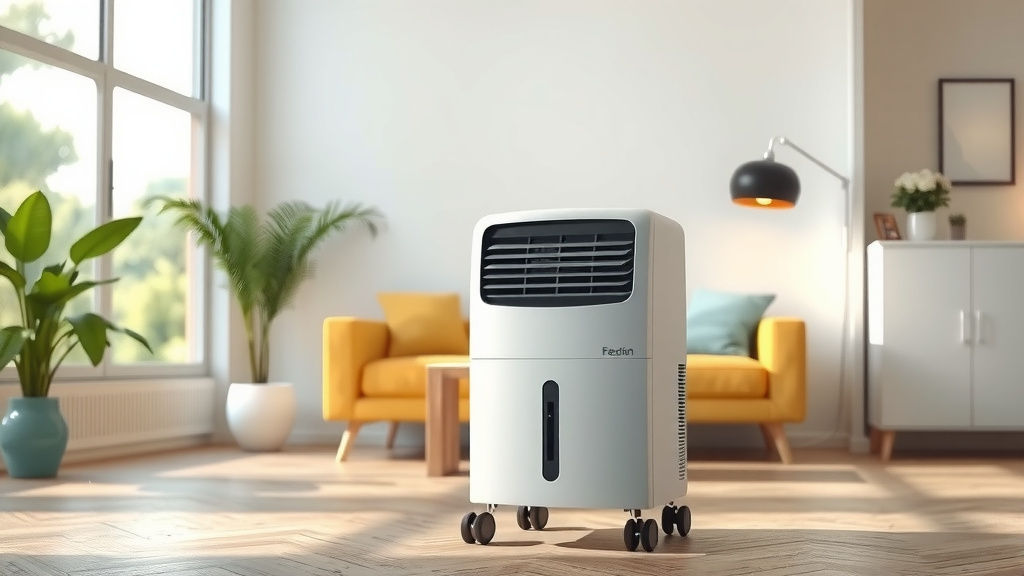
Yes, a dehumidifier can help with your electric bill, but it’s not a guarantee. It primarily saves energy by allowing you to feel more comfortable at a higher air conditioning temperature.
When humidity is lower, your home feels cooler, reducing the need for your air conditioner to run as often or as hard, which can lead to notable energy savings.
- Running a dehumidifier can lower perceived temperature, letting you raise your AC thermostat.
- This strategic pairing often reduces the overall workload on your air conditioner, saving energy.
- However, running a dehumidifier inefficiently or in already dry conditions will increase your bill.
- Choosing an Energy Star rated unit and setting it correctly are key steps to seeing savings.
- Consider your climate and home’s humidity levels for the best efficiency.
Ever walked into a room and felt that muggy, heavy air, even when the temperature wasn’t sky-high? That’s humidity at play! It makes everything feel warmer and stickier. And it often sends us straight to the air conditioner, cranking it down just to get some relief.
But what if there was another player in your home comfort team? A device that tackles that mugginess directly? We’re talking about a dehumidifier. Many people wonder if this appliance helps or hurts their electric bill. Let’s talk about it like real people do, with real answers.
Does a Dehumidifier Help with Electric Bill?
Generally, yes, a dehumidifier can help you save on your electric bill, especially if you live in a humid climate. The magic happens because lower humidity makes your home feel cooler, reducing your reliance on air conditioning.
Understanding Humidity and Comfort
Think about it like this: your body cools itself by sweating. But when the air is already saturated with moisture, your sweat can’t evaporate as easily. This makes you feel hotter and less comfortable, even when the actual temperature is reasonable.
This “perceived temperature” is why a humid 75-degree day feels much warmer than a dry 75-degree day. Your AC might be working hard, but if the humidity is high, you’ll still feel sticky.
How Your AC Handles Humidity (and why it’s inefficient)
Your air conditioner does remove some moisture as a byproduct of cooling. It cools the air, which condenses water vapor out of it. But its primary job is cooling the air, not dehumidifying it.
When your AC runs just to dry the air, it’s often overcooling your space. This means it’s using more energy than needed just to get rid of that damp feeling. We found that relying solely on your AC for dehumidification can be quite inefficient for energy use.
The Dehumidifier’s Role in Energy Savings
A dehumidifier’s main job is to pull moisture from the air. When it succeeds, your home feels less muggy and more comfortable. This newfound comfort means you can often set your air conditioner’s thermostat a few degrees higher. And that’s where the savings come in!
Raising your thermostat by even a few degrees can lead to significant energy reductions. Many experts say that for every degree you raise your AC thermostat, you can save 1-3% on cooling costs (Department of Energy).
When a Dehumidifier Might Increase Your Bill
It’s important to be honest: a dehumidifier uses electricity itself. If you live in an arid climate where humidity isn’t an issue, running one would simply add to your electric bill without offering a comfort or energy offset.
Also, an old, inefficient, or improperly sized dehumidifier could consume too much power. It’s about finding that sweet spot where its operation leads to greater savings from your AC.
Factors Influencing Dehumidifier Energy Use
Several things affect how much power your dehumidifier draws:
- Capacity: A larger unit working in a small space might cycle less, but uses more power per hour.
- Efficiency Rating: Look for an Energy Star certified dehumidifier. These are designed to be more efficient.
- Usage Time: Running it constantly will use more electricity than running it only when needed.
- Ambient Humidity: The higher the humidity, the harder it works and the more energy it uses to remove moisture.
- Location: Placing it in a specific damp area like a basement is often more efficient than trying to dry a whole open-plan home with one unit.
Smart Ways to Use Your Dehumidifier for Savings
To truly see those electric bill benefits, you need a strategy. It’s not just about plugging it in and forgetting it.
Here are some practical tips we’ve gathered:
- Aim for Ideal Humidity: Most experts recommend keeping indoor humidity between 30% and 50% (EPA). Use your dehumidifier’s humidistat to maintain this range.
- Close Doors and Windows: Don’t let new, humid air constantly enter the space you are trying to dry.
- Clean Filters Regularly: A clogged filter makes your unit work harder, using more energy.
- Proper Sizing: Choose a dehumidifier appropriate for your room size. Too small, and it runs constantly; too large, and it’s overkill.
- Consider Placement: Put it in the dampest areas first, like basements, bathrooms, or laundry rooms.
- Run It Smartly: Use the timer function to operate it during off-peak electricity hours if your utility offers them.
Beyond the Bill: Other Benefits of Dehumidifiers
Even if the electric bill savings aren’t massive, dehumidifiers offer other compelling advantages:
- Healthier Air: Reduced humidity inhibits mold, mildew, dust mites, and other allergens (Mayo Clinic). This can be a game-changer for allergy sufferers.
- Protecting Your Home: High humidity can damage wood furniture, floors, electronics, and even cause peeling paint or wallpaper. A dehumidifier safeguards your home’s structure and contents.
- Eliminating Musty Odors: That damp, stale smell often comes from mold or mildew. A dehumidifier helps get rid of it.
Ideal Indoor Humidity Levels
We found that indoor humidity between 30-50% is generally considered comfortable and healthy. Below 30%, the air can feel too dry, leading to dry skin or irritated sinuses. Above 50%, you risk mold growth and that sticky feeling. Use a hygrometer to monitor your home’s levels.
Quick Checklist for Lowering Your Energy Bill
Ready to put these ideas into action? Here’s a quick list to guide you:
- Choose an Energy Star rated dehumidifier.
- Set your dehumidifier’s humidistat to 40-50%.
- Raise your AC thermostat by 2-3 degrees.
- Keep windows and doors closed when running units.
- Clean dehumidifier filters monthly.
- Consider running your dehumidifier on a timer.
Example: Dehumidifier Power Consumption & Cost
To give you a clearer picture, here’s a general idea of how much power different types of dehumidifiers might use. Keep in mind, these are averages, and your specific model will vary.
| Dehumidifier Type | Average Wattage | Cost per Hour (approx.)* |
|---|---|---|
| Small (30-pint) | 300-400W | $0.04 – $0.05 |
| Medium (50-pint) | 500-600W | $0.06 – $0.08 |
| Large (70-pint) | 700-800W | $0.09 – $0.10 |
*Assumes an electricity rate of $0.13 per kWh, which can vary widely by location.
Conclusion
So, does a dehumidifier help with your electric bill? Yes, it absolutely can, by working smarter, not harder. When used correctly, a dehumidifier complements your air conditioning, allowing you to set your AC thermostat higher without sacrificing comfort. This strategic approach often leads to noticeable savings on your cooling costs.
Beyond the bill, remember the immense benefits for your health and home. Lower humidity means less mold, fewer allergens, and a more protected living space. Consider your specific needs, choose an efficient model, and operate it wisely to enjoy a more comfortable home and potentially a lighter electric bill.
What’s the ideal humidity level to set my dehumidifier?
Most experts recommend setting your dehumidifier to maintain indoor humidity levels between 40% and 50%. This range is comfortable for most people and helps prevent mold growth and dust mites. Going lower than 30% can make the air too dry, which might cause discomfort like dry skin or irritated sinuses.
Can I run my dehumidifier and AC at the same time?
Yes, you can and often should run your dehumidifier and AC simultaneously, especially in very humid climates. The dehumidifier removes moisture, making the air feel cooler. This allows you to set your AC thermostat a few degrees higher, reducing its energy consumption for cooling and potentially saving you money overall.
How do I know if my dehumidifier is saving me money?
To check for savings, compare your electric bills from periods when you used both your AC and dehumidifier strategically (with a higher AC setting) versus periods when you only relied on your AC to manage humidity. Look for a decrease in total energy consumption. Also, notice if you feel comfortable at a higher AC temperature than before.
Should I get an Energy Star rated dehumidifier?
Absolutely, opting for an Energy Star rated dehumidifier is a smart move. These units are certified to be more energy-efficient than standard models, meaning they use less electricity to remove the same amount of moisture. This directly translates to lower operating costs and greater potential for savings on your electric bill.
Where is the best place to put a dehumidifier in my home?
Place your dehumidifier in the area where humidity is highest. Common spots include basements, crawl spaces, laundry rooms, or damp living areas. Ensure it has enough clear space around it for proper airflow. Avoid placing it against walls or in closets where air cannot circulate freely, as this reduces its efficiency.
